How to Choose the Right Geotextile Fabric?
Choosing the right geotextile fabric starts with the job it must perform, not the roll’s appearance or price. A driveway needs different support from a drainage trench, retaining wall, or garden path. The wrong fabric may clog, stretch, or allow soil to migrate. Small details matter.
Begin by identifying soil type, water movement, expected loads, and installation conditions. Woven geotextile fabric often provides tensile strength and separation beneath roads or access paths. Nonwoven fabric is commonly selected for filtration and drainage, where water must pass while soil particles stay put. These are useful starting points, not automatic rules. Product specifications vary.
Check the manufacturer’s technical sheet for tensile strength, apparent opening size, permittivity, and puncture resistance. Match each value to the project requirements and site conditions. For example, silty soil can demand finer filtration than clean gravel. A fabric that looks strong in your hand may still be unsuitable underground. Appearance can mislead.
Installation deserves equal attention. Overlaps, wrinkles, damaged edges, and sunlight exposure can affect performance before the project is complete. Follow the supplier’s instructions and, for engineered works, ask a qualified geotechnical professional to confirm the selection. Cost matters, but replacement is rarely cheaper. Even a careful choice can miss an unseen site condition, so verify assumptions before ordering. This guide explores how to compare fabric types, specifications, and practical trade-offs—and where caution is warranted.
Define the Project Requirements and Site Conditions
How to Choose the Right Geotextile Fabric?
Define the Project Requirements and Site Conditions
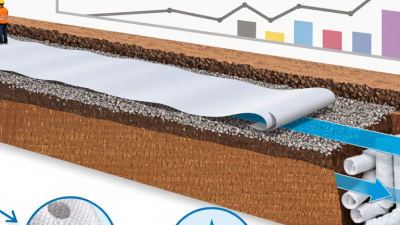
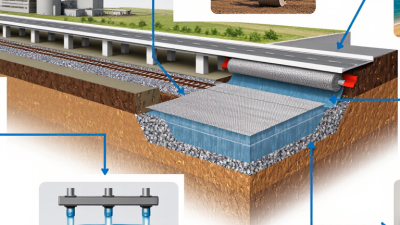
Start with the job the fabric must perform: separation, filtration, drainage, or reinforcement. The Federal Highway Administration’s 2008 Geosynthetic Design and Construction Guidelines identifies five primary geosynthetic functions, including these and erosion control. One fabric rarely suits every function. A driveway over soft clay needs separation and load support; a drainage trench needs water flow without soil loss.
Read the ground before choosing a product. Record soil gradation, groundwater level, expected flow, traffic loads, and installation conditions. FHWA guidance emphasizes matching geotextile properties to site soils and design demands. ASTM D4751 measures apparent opening size, while ASTM D4491 measures permittivity. Compare the tested values with project specifications, not just a product label. Small details matter.
Consider what happens during installation. Sharp aggregate can puncture fabric; prolonged sunlight can degrade exposed material. Specify suitable strength and UV resistance for the actual exposure period. This step is easy to rush, even on a familiar site. A wet, silty excavation may behave differently after rain, so verify field conditions and revise assumptions when needed. Keep test reports and site notes with the design record.
Compare Woven, Nonwoven, and Knitted Geotextiles
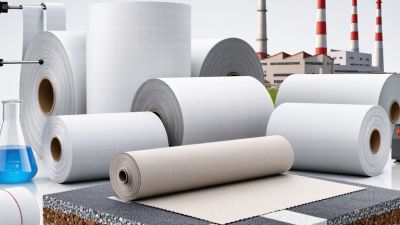
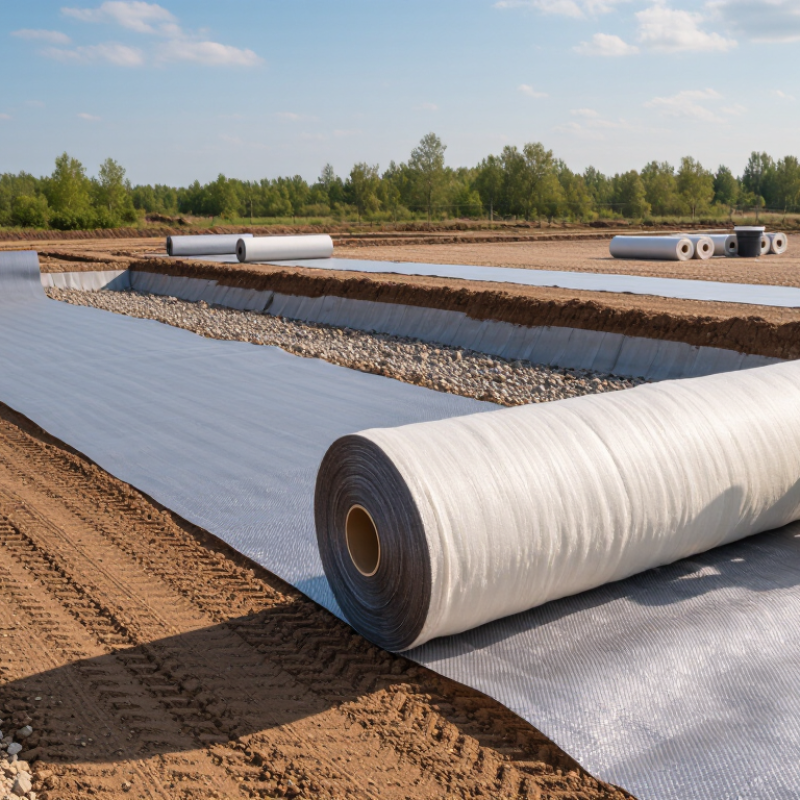
Woven geotextiles use crossing yarns to create a stable, relatively strong sheet. They suit separation and reinforcement beneath access roads, where aggregate needs support over soft soil. Their tighter structure can restrict water flow, so check permeability before specifying them for drainage. Start with the job, not the roll.
Nonwoven geotextiles are usually needle-punched or heat-bonded. Their random fiber structure makes them useful for filtration, drainage, and cushioning around buried pipes. The Federal Highway Administration’s Geosynthetic Design and Construction Guidelines (NHI-07-092) describes geotextile selection in relation to functions such as separation, filtration, and reinforcement. AASHTO M 288-21 also sets grab-strength thresholds of 700, 1,100, and 1,400 newtons for different survivability classes. These figures address installation survivability, not a universal ranking of fabric quality. Check the applicable project specification.
Knitted geotextiles form loops of yarn, often creating a flexible, open structure. They can fit applications requiring conformability or specialized drainage, but performance varies with the knit and product design. Compare opening size, tensile behavior, and water flow—not labels alone. I would not choose by appearance. A sample may look robust and still clog or stretch more than the site allows. Verify test data against the soil, expected loads, and installation conditions before ordering.
Evaluate Key Performance Properties and Specifications
A geotextile’s performance should match the job, not just a line on a product sheet. For separation beneath a gravel road, check tensile strength and puncture resistance against expected loads and aggregate size. Drainage projects need adequate water flow through the fabric, measured by permittivity, while its apparent opening size must retain soil particles. Numbers need context.
Compare test results only when they use the same test method and units. A high tensile value may look reassuring, but it does not show how easily the fabric punctures during placement. Ask for documented test data and confirm whether values are typical or minimum guaranteed values. Small differences matter. Check roll width, overlap requirements, and installation guidance too; an unsuitable seam or torn edge can undermine otherwise suitable material.
Exposure conditions deserve attention. Sunlight can weaken some fabrics before they are covered, and soil chemistry may affect long-term durability. Consider how long the material will remain exposed and whether the site has unusually acidic or alkaline soil. A specification can still miss the real risk: rough stone dropped directly from a truck may damage fabric during installation. Review the site conditions with the project engineer, then choose properties that address those conditions rather than relying on one headline rating.
Match the Fabric Type to Its Intended Function
How to Choose the Right Geotextile Fabric?
Match the Fabric Type to Its Intended Function
Start with the job, not the fabric label. The FHWA’s Geosynthetic Design and Construction Guidelines (NHI-07-092, 2008) identifies four core geotextile functions: separation, filtration, drainage, and reinforcement. For a soft, muddy access road, separation can help stop gravel from mixing with subgrade soil. Around a drain, filtration must hold back soil while allowing water to pass. Woven fabrics often suit reinforcement needs; nonwoven fabrics are commonly used for filtration and drainage. These are practical patterns, not fixed rules.
Match the soil and water conditions to measurable properties. AASHTO M 288 evaluates highway geotextiles using criteria that include strength, permittivity, and apparent opening size. Check the project’s soil gradation, expected flow, and installation stresses against the relevant requirements. A strong fabric can still be a poor choice if its openings do not suit the soil. Product sheets are useful, but they cannot replace site-specific design. Clogging risk deserves attention, too; it is easy to overlook.
Tips: Ask for test data on the exact fabric, not just a general product description. Confirm the intended function and installation method with the project engineer. A tidy specification may still leave questions about long-term flow.
How to Choose the Right Geotextile Fabric?
Match the fabric type to its intended function
Use this qualitative guide to identify the properties that matter most; scores are design-priority indicators, not measured product performance. Woven geotextiles are commonly considered where tensile reinforcement is important. Nonwoven geotextiles are commonly considered for filtration, drainage, or cushioning. Confirm soil conditions, flow requirements, and project specifications before selecting a fabric.
Check Installation Requirements and Product Standards
Before choosing a geotextile, read the project specification and installation plan together. They should identify the fabric’s function, required strength, permeability, and acceptable test methods. A separator under a gravel road may need different properties from a drainage wrap beside a foundation. Do not compare products by weight alone. Check whether the stated values are minimums or typical results, and confirm that reports apply to the supplied product. Standards vary by region and application, so verify the named ASTM, ISO, or local methods with the project engineer. Small details matter.
Installation conditions can change which fabric is suitable. Check the expected overlap, anchoring method, subgrade preparation, and exposure time before covering. On a windy site, loose edges may fold; sharp stones can puncture fabric during placement. Ask whether the product tolerates the expected ultraviolet exposure and installation stresses. Inspect roll labels and batch records on delivery, then keep the documentation with site records. A checklist helps, but it can miss field conditions. Revisit the specification if soil moisture, ground conditions, or construction sequence differs from the plan. That extra check may feel slow, yet replacing buried fabric is usually harder.