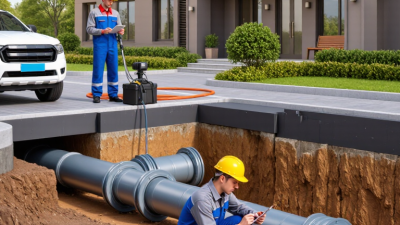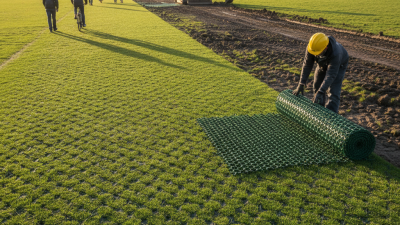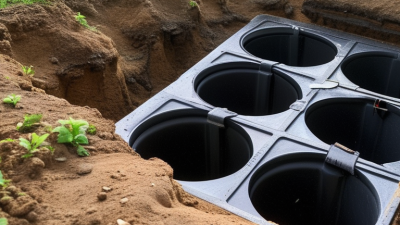
A well-designed drainage system is easy to overlook until rainwater pools beside a doorway or crosses a paved walkway. An aco drainage channel can collect surface water and guide it toward a suitable outlet, helping reduce nuisance flooding when correctly specified and installed. Its narrow grate can also fit neatly into patios, driveways, commercial entrances, and other paved areas. Small details matter.
Choosing a channel starts with the site, not the product name. Consider the expected water flow, the paving surface, the available outlet, and the loads the channel must support. A driveway used by cars may need a different load rating from a garden path. Grate style, channel material, and access for cleaning also affect long-term performance. Leaves and grit still collect. No channel maintains itself.
Installation deserves equal attention. A stable, properly graded base helps water move toward the outlet, while careful alignment keeps the grate flush with surrounding paving. Local site conditions and manufacturer guidance should inform the final design; a drainage professional can assess situations with heavy runoff or complex connections. Even a quality product can underperform if the fall, outlet, or installation is wrong. That is worth remembering. The right choice balances reliable drainage, practical maintenance, appearance, and site-specific requirements—not just upfront cost.
What Is a Drainage Channel?
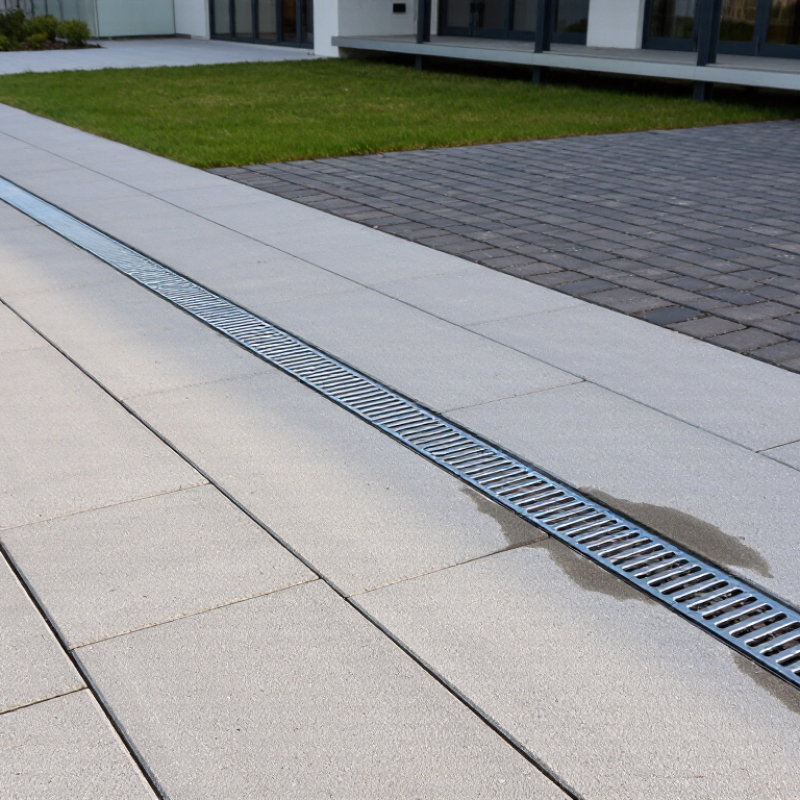
A drainage channel is a narrow, covered trough that collects surface water and carries it toward an outlet. You may see one across a driveway, beside a patio, or near a garage entrance. The visible top is usually a removable grate. Beneath it, the channel body guides water along a planned route. It is different from a single point drain, which collects water in one spot.
Channels help reduce puddles where paving slopes toward a building or where rainwater gathers quickly. Their performance depends on more than the channel itself. The ground needs a suitable fall, and the outlet must connect to an appropriate drainage point. Grates and channel bodies also need to suit expected loads; a garden path and a vehicle entrance have different demands. Installation details matter. A poor base or blocked outlet can undermine an otherwise sound system, and that part is easy to underestimate.
Tips: Clear leaves and grit from the grate regularly. Check the outlet after heavy rain. If water remains, inspect the slope and connection before assuming the channel is too small.
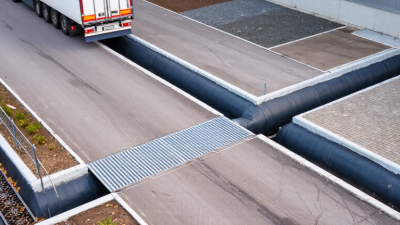
A linear drainage channel intercepts runoff where paving directs water toward a low point. Rain passes through the grate, enters the channel, and flows by gravity toward an approved outlet, storage area, or infiltration system. This keeps water from pooling beside doors, loading bays, and walkways. The channel’s job is not simply to move water quickly. Designers estimate flow using rainfall intensity, drained area, and surface slope, then check grate entry, channel capacity, and outlet restrictions. An undersized outlet can still cause flooding. That matters.
The Environment Agency’s climate-change guidance for England sets peak-rainfall intensity allowances of 20% or 40%, selected according to the planning horizon and catchment guidance. These figures help designers test whether a drainage layout can handle heavier rainfall; they are not guarantees against flooding. CIRIA’s SuDS Manual (C753, 2015) also places drainage within a wider system of runoff control and water management. In practice, leaves, grit, and uneven paving can reduce performance, so maintenance and careful installation count. A channel may look adequate on a drawing, yet struggle when debris blocks its grate. That deserves a site check.
| Drainage Aspect | How It Works | Practical Benefit | Important Consideration |
|---|---|---|---|
| Surface water collection | A narrow inlet along the channel receives runoff from paved or other suitably graded surfaces. | Collects water along a line rather than relying on a single collection point. | Surface levels and falls should direct water toward the inlet. |
| Conveyance | Water flows through the channel toward a suitable outlet, such as a surface-water drainage system or an approved discharge point. | Moves collected runoff away from areas where it could otherwise accumulate. | Channel capacity, gradient, outlet arrangement, and local requirements must be considered in the design. |
| Reduced standing water | When correctly sized and installed, the channel intercepts runoff before it pools on the surface. | Can help reduce puddling and water-related disruption in paved areas. | Performance depends on rainfall, catchment area, surface conditions, and maintenance. |
| Linear coverage | Channel sections can be arranged along edges, thresholds, paths, or other locations where runoff needs to be intercepted. | Offers a continuous collection route across the chosen installation area. | Layout should account for pedestrian or vehicle movement and any required access points. |
| Load suitability | Grates and channel systems are selected to suit the expected use, from pedestrian areas to locations subject to vehicle traffic. | Helps match the drainage installation to the demands placed on the surface. | Use an appropriate load classification and follow the installation specification and applicable standards. |
| Debris management | The grate allows water into the channel while helping keep larger debris out; sediment and leaves may still enter. | Provides an accessible route for inspection and routine cleaning. | Regularly clear the grate, channel, and outlet to help prevent blockages. |
| System integration | The channel forms part of a wider surface-water strategy and can connect to suitable drainage infrastructure. | Supports planned runoff management when coordinated with the rest of the site drainage. | Discharge must be properly designed and comply with local regulations and site conditions. |
Drainage channels are available in polymer concrete, precast concrete, and polymer or plastic composites, with grates in ductile iron, steel, or plastic. Polymer options are easier to handle on site; concrete can suit demanding installations, though it adds weight. Grate openings also matter: narrow slots look tidy near entrances, while wider patterns may clear leaves more readily. No material wins everywhere.
For traffic areas, check the channel’s load class, not just its appearance. EN 1433 classifies linear drainage channels from A15, for pedestrian zones, to F900, for very heavy wheel loads. The right class depends on the actual site and installation. A driveway edge is not an airport apron. The distinction is easy to miss.
Design should account for slope, outlet position, rainfall, debris, and maintenance access. The FHWA’s Urban Drainage Design Manual explains how rainfall intensity and contributing area inform runoff estimates; local conditions still govern the calculation. Material choice has a wider context, too: the 2023 Global Status Report for Buildings and Construction reports that the sector produced 37% of global energy- and process-related CO2 emissions in 2022. That figure is not specific to drainage products, but it supports comparing durability and lifecycle impacts. Some details only become obvious after leaves collect at the outlet. That is worth checking.
A linear drainage channel captures surface water along a continuous run, rather than at one isolated drain. That can help move rainwater away from doorways, garage thresholds, and paved walkways. With a suitable grate and correctly sized outlet, it can also reduce standing water where people walk. Small details matter: a leaf-filled channel or poorly set fall can slow drainage.
Capacity matters more as rainfall patterns shift. The IPCC’s Sixth Assessment Report assesses that heavy daily precipitation intensifies by about 7% per 1°C of global warming, though local outcomes vary. A channel is not a cure-all. Its width, depth, outlet capacity, and connection to the site’s drainage system must match the expected runoff. A useful design starts with the paved area and local rainfall conditions, not appearance alone.
Maintenance is practical, but not automatic. Removable grates make it easier to clear leaves, grit, and debris with routine access. That matters. In a real installation, a few minutes of inspection after storms may prevent blockages from going unnoticed. Still, channels can be less effective if outlets are undersized or the surrounding surface slopes the wrong way. A careful site assessment helps avoid that mistake.
Linear drainage channels are commonly used across paved areas where runoff gathers faster than soil can absorb it. Parking lots, loading bays, garage entrances, and service yards are typical locations. A channel placed across a slope or doorway can intercept water before it reaches buildings or pedestrian routes. Small placement errors matter.
Public plazas, pool surrounds, driveways, and industrial floors also use these systems. The 2023 Fifth National Climate Assessment reports that, from 1958 to 2021, precipitation from the heaviest one percent of events increased by 55% in the Northeast and 42% in the Midwest. These are regional U.S. figures, not design values. Still, they reinforce the need to size drainage for local rainfall and the area draining toward each channel.
Good placement starts with observing where water actually pools after rain. Channels often work best at low points, across vehicle entrances, or along the edge of a paved surface. Their grates and load ratings should match expected traffic, from footfall to delivery vehicles. Designers also need to check the outlet, slope, and maintenance access. A blocked grate can undermine an otherwise sound layout. It is easy to overlook.
Typical runoff-coefficient ranges show why paved areas often need effective surface drainage. A linear channel can collect water along the ground and help reduce ponding at entrances, paved routes, and other hard surfaces.
Runoff coefficients are dimensionless typical ranges; actual values vary with surface condition, slope, and rainfall. Higher coefficients indicate that a greater share of rainfall may run off the surface.