Choosing a geotextile membrane supplier can shape a project long before installation begins. A roll delivered to a muddy site must match the design, arrive on schedule, and include clear technical documentation. On a drainage job, the wrong filtration properties can matter as much as a missed delivery. Small details count. A datasheet, test method, and batch record can help buyers check what a product is designed to do. They cannot replace project-specific engineering.
Geosynthetics expert Robert M. Koerner describes a geosynthetic as “a planar product manufactured from polymeric material used with soil, rock, earth, or other geotechnical engineering-related material.” His definition places the material in its working context: alongside soil and other ground materials. But a supplier’s range alone does not prove suitability. Buyers should examine published test data, product consistency, technical support, and experience with comparable applications. Ask practical questions. Can the supplier explain the stated values? Are samples and installation guidance available?
This guide to 10 geotextile membrane suppliers worldwide offers a starting point for that research, not a universal ranking. Supplier capabilities, product names, and regional availability can change. Some details may also be difficult to compare across manufacturers. That is worth remembering. Use the profiles to shortlist candidates, then verify current specifications and request project-specific documentation. The best fit depends on the site, design requirements, and support needed after delivery.
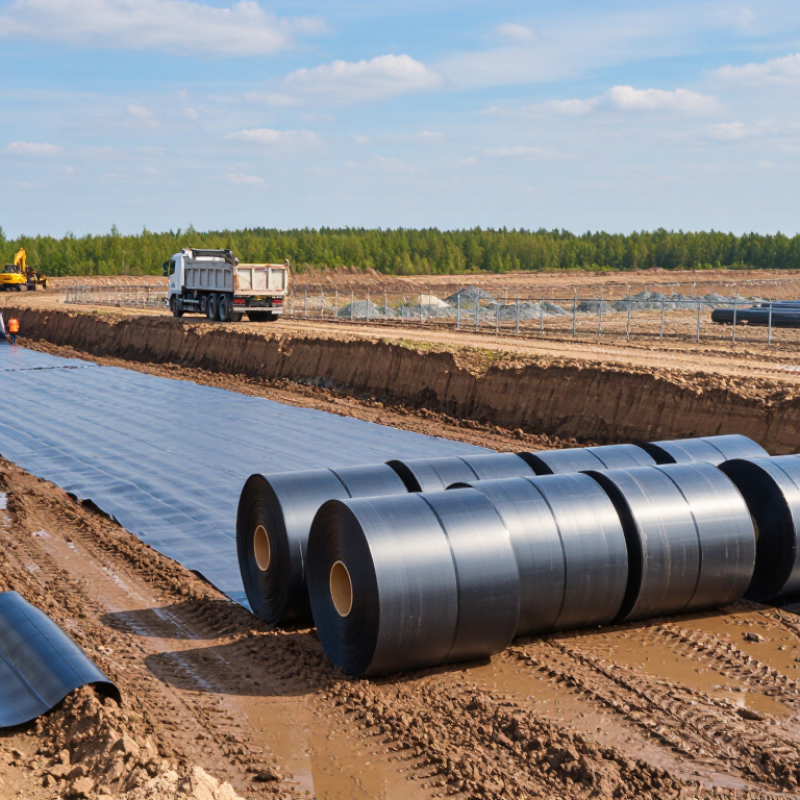
A geotextile membrane is a permeable synthetic sheet used in soil and water management. It is usually manufactured from polypropylene or polyester fibers. The material may be woven, nonwoven, or needle-punched. Each structure behaves differently under load.
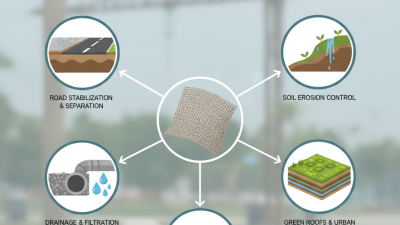
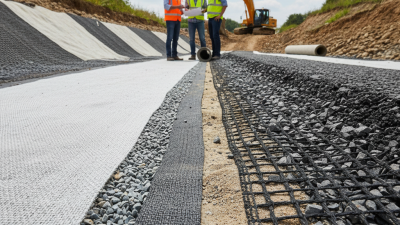
Its main job is to control movement between soil layers. In road construction, it separates crushed stone from soft clay. This prevents aggregate from sinking into the subgrade. In drainage systems, water passes through while soil particles remain in place. The membrane can also filter, reinforce, protect, or reduce erosion.
A simple field check helps: hold a sample against light and inspect its pore pattern. It should look consistent, not patchy.
Grand View Research estimated the global geotextiles market at about USD 7.1 billion in 2023. Its report also projects continued growth through 2030, driven by roads, drainage, erosion control, and waste infrastructure. These figures show strong demand, but they do not guarantee performance on every site.
Soil chemistry, ultraviolet exposure, installation damage, and poor overlap design can weaken results. A membrane that works well beneath a highway may fail beside a steep, wet embankment. That difference is often underestimated.
Engineers should verify tensile strength, apparent opening size, permittivity, and survivability against project conditions. Installation still matters most. One sharp stone, careless compaction pass, or blocked outlet can compromise an otherwise suitable design.

Geotextile membranes are often discussed as one product, but the term covers different materials. Geotextiles are permeable fabrics, while geomembranes are usually impermeable sheets. This distinction affects drainage, filtration, separation, and containment design.
Woven geotextiles provide high tensile strength and suit soil reinforcement beneath roads, embankments, and working platforms. Their tight structure can limit water flow.
Nonwoven geotextiles use randomly arranged fibers, offering strong filtration, drainage, and cushioning performance. Needle-punched varieties often conform better to uneven ground.
Composite membranes combine layers, such as a geotextile bonded to a geomembrane, for projects needing both protection and fluid control.
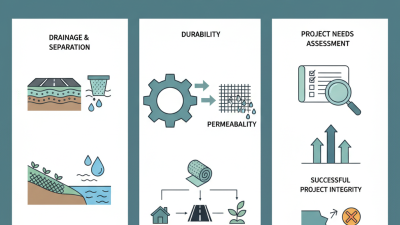
Performance depends on more than thickness. Engineers should check tensile strength, puncture resistance, tear resistance, permittivity, apparent opening size, and ultraviolet stability. Chemical compatibility matters near leachate, fuel, saline water, or aggressive soil. Installation quality matters too. Sharp stones, wrinkles, weak seams, and poor overlaps can undermine an excellent specification.
Small details matter.
On site, a membrane may look intact while hidden punctures reduce long-term reliability. Field testing and careful inspection therefore deserve the same attention as laboratory data. Supplier evaluation should include certified test results, quality-control records, production consistency, and technical support during installation. I have found that simple comparison tables can create false confidence. Soil conditions, drainage demands, loading cycles, and construction handling should guide the final selection.
10 Best Geotextile Membrane Suppliers Worldwide?
How to Evaluate Global Geotextile Membrane Suppliers
Choosing a geotextile membrane supplier requires more than comparing prices. Examine the product’s polymer type, mass per unit area, tensile strength, puncture resistance, and permeability. These values should match the soil, drainage needs, climate, and installation method. Ask for recent laboratory reports from independent facilities. Factory quality records also reveal whether production remains consistent across different batches. A supplier with practical project experience should explain failure risks, not only describe product benefits.
Request samples before placing a large order. Test them under realistic conditions, including moisture, rough aggregate, folding, and prolonged loading. Confirm roll dimensions, packaging, storage limits, and expected service life. Traceable batch numbers are valuable when defects appear months later. Review project references from similar climates and ground conditions. Certificates help, but they do not replace technical judgment. I would not rely on a polished brochure alone.
Tips: Compare complete delivered costs, not only factory prices. Check production capacity against your schedule. Ask how claims are investigated and resolved. Clarify whether engineers provide installation guidance. Keep written records of every specification. A cheap membrane may become expensive after delays or rework. Even experienced buyers sometimes overlook seam compatibility. That mistake deserves a second review.
A brand-neutral evaluation framework for comparing suppliers. The criteria below are verifiable procurement checks, not a ranked list of named companies.
| Evaluation area | Evidence to request and verify | Relevant test method or reference | Why it matters |
|---|---|---|---|
| 1. Intended application and product fit | Product datasheets identifying intended functions such as separation, filtration, drainage, reinforcement, or protection; confirm the proposed product suits the project design and installation conditions. | ISO 10318-1 terminology; applicable project specification and national road, drainage, or civil-engineering requirements. | Geotextile performance requirements depend on the application, soil, loading, and site conditions. |
| 2. Mass per unit area | Declared mass per unit area, stated with units and tolerances, plus recent test reports for the offered product and production lot. | ISO 9864; ASTM D5261. | Useful for product identification and quality control, but it does not by itself establish strength, filtration, or service life. |
| 3. Tensile strength and elongation | Test results in the relevant direction(s), including tensile strength and elongation at maximum force; check that the test method and specimen width match the project specification. | ISO 10319 (wide-width tensile test); ASTM D4595. | Important where installation stresses, loads, or reinforcement demands could cause stretching or rupture. |
| 4. Puncture resistance | Reported puncture resistance with the test method, units, specimen details, and report date clearly identified. | ISO 12236 (CBR puncture test); ASTM D6241. | Helps assess resistance to localized damage during placement and service; compare results only when test methods are comparable. |
| 5. Filtration and opening size | Characteristic opening size and supporting test data; assess these against the soil gradation and the design’s retention and clogging criteria. | ISO 12956; ASTM D4751. | Opening size influences soil retention and filtration performance. A suitable value must be selected for the specific soil and hydraulic conditions. |
| 6. Water permeability | Water-flow or permeability results with the test direction, hydraulic conditions, and reported units stated; request data relevant to the specified product. | ISO 11058 (water permeability characteristics normal to the plane, without load); ASTM D4491. | Supports assessment of water flow through the geotextile and its suitability for the design drainage or filtration function. |
| 7. Thickness and construction consistency | Declared thickness and construction details, together with routine inspection records and lot-level test results where available. | ISO 9863-1 (thickness at specified pressures); ISO 9862 (sampling of geosynthetics for testing). | Consistent sampling and testing help buyers compare products and identify production variability. |
| 8. Quality management and traceability | Current quality-management documentation, documented inspection procedures, batch identification, and a way to trace delivered rolls back to production records. | ISO 9001 certification may support quality-system review; verify certificate scope and validity with the issuing body. | Traceability and controlled processes make it easier to investigate nonconformities and confirm what was supplied. |
| 9. Durability and chemical suitability | Written compatibility information for the project’s soil, water, temperature, exposure, and installation conditions; request relevant aging or chemical-resistance data when specified. | Use the project specification and applicable geosynthetic durability requirements; assess test reports for the actual polymer and exposure conditions. | Durability depends on material, exposure, and service environment; a generic lifespan claim is not a substitute for project-specific evidence. |
| 10. Delivery, documentation, and project support | Written lead time, available roll dimensions, packaging and marking details, shipping terms, sample availability, installation guidance, and a process for handling claims. | Check purchase-contract requirements, shipping documents, product labels, and project-specific inspection and acceptance criteria. | Clear logistics and documentation reduce delivery, handling, and acceptance risks on international projects. |
Comparison note: Request test reports from an appropriately qualified laboratory and compare results only when the test methods, units, specimen conditions, and product specifications are equivalent. Standards and project requirements can vary by jurisdiction and application.
The ten leading geotextile membrane suppliers worldwide serve demanding markets, including road construction, landfills, drainage systems, mining, and coastal protection. Their products commonly include woven and nonwoven geotextiles, geomembranes, geocomposites, and reinforced liners. Strong suppliers provide clear technical data, batch traceability, and testing records from accredited laboratories. They also explain how materials perform under ultraviolet exposure, puncture loads, soil pressure, and repeated temperature changes.
A reliable supplier should offer practical specification support, not just a product catalogue. Buyers often compare tensile strength, apparent opening size, permeability, puncture resistance, and roll dimensions. Installation guidance matters too. A membrane may perform well in testing but fail after careless unloading, poor subgrade preparation, or weak seams. Leading manufacturers usually support welding procedures, field inspections, and quality-control plans. Regional production can also reduce transport delays and simplify replacement orders.
Supplier selection still requires judgment. No supplier is perfect. A polished certificate does not guarantee consistent factory control. Buyers should request recent test reports, sample rolls, references from similar projects, and storage recommendations. Price deserves attention, but it should not outweigh service life or installation risk. One detail is often missed: compatibility between the membrane and surrounding soil or chemicals. A careful technical review, supported by site data and independent inspection, gives procurement teams a more dependable basis for choosing among the ten leading global suppliers.
Density can help distinguish common geosynthetic materials: polypropylene (PP) is lightweight, while polyester (PET) is denser. Bars show midpoints of typical resin density ranges; actual values vary by grade. This is a material reference, not a supplier ranking.
Geotextiles and geomembranes serve different purposes, so buyers should match the material to the job. Permeable geotextiles separate soil layers, reinforce weak ground, filter water, or protect surfaces from erosion. They appear beneath road bases, around drainage aggregate, and along riverbanks. A geomembrane forms a low-permeability barrier, often used in containment and water-management systems. Check the project design carefully; the terms are sometimes used loosely.
Performance should be verified through relevant test methods and project specifications. ASTM, ISO, and EN documents may cover properties such as tensile strength, puncture resistance, permeability, and durability. Requirements vary by product type and region, so a certificate alone may not establish suitability. Ask for current test reports, stated test methods, and confirmation that the tested product matches the supplied roll. Small details matter.
When comparing worldwide suppliers, review manufacturing consistency, traceability, technical support, lead times, and packaging suited to transport and storage. Request samples and inspect roll labels, dimensions, and visible damage before installation. Ask how the supplier handles quality checks and nonconforming batches. A polished datasheet can still leave important questions unanswered. I would also check whether installation guidance fits the actual soil, drainage conditions, and construction equipment; this step is easy to overlook.