2026 How to Choose the Right Geotextile for Your Project?
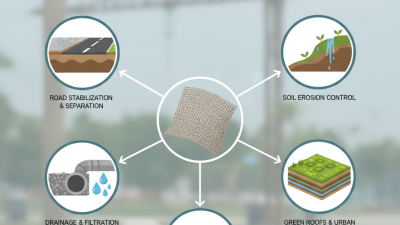
In the world of civil engineering, choosing the right geotextile is crucial for project success. Renowned geotextile expert Dr. Emily Johnson emphasizes, "Selecting the appropriate geotextile can make or break your project." Geotextiles serve as vital tools in soil stabilization, drainage, and erosion control. Understanding their properties and applications can steer project outcomes toward success.
Various types of geotextiles exist, each tailored for specific functions. For instance, woven geotextiles provide strength, while non-woven geotextiles offer excellent drainage capabilities. Selecting the wrong type can lead to costly failures. Engineers and contractors must evaluate soil conditions, project requirements, and budget constraints before making a decision.
Not all projects are the same; what works in one scenario may fail in another. Evaluating performance, durability, and environmental impact is essential. As projects become more complex, the need for informed choices around geotextiles becomes increasingly apparent. It’s a question of not just what type to use, but also understanding the implications of every decision.
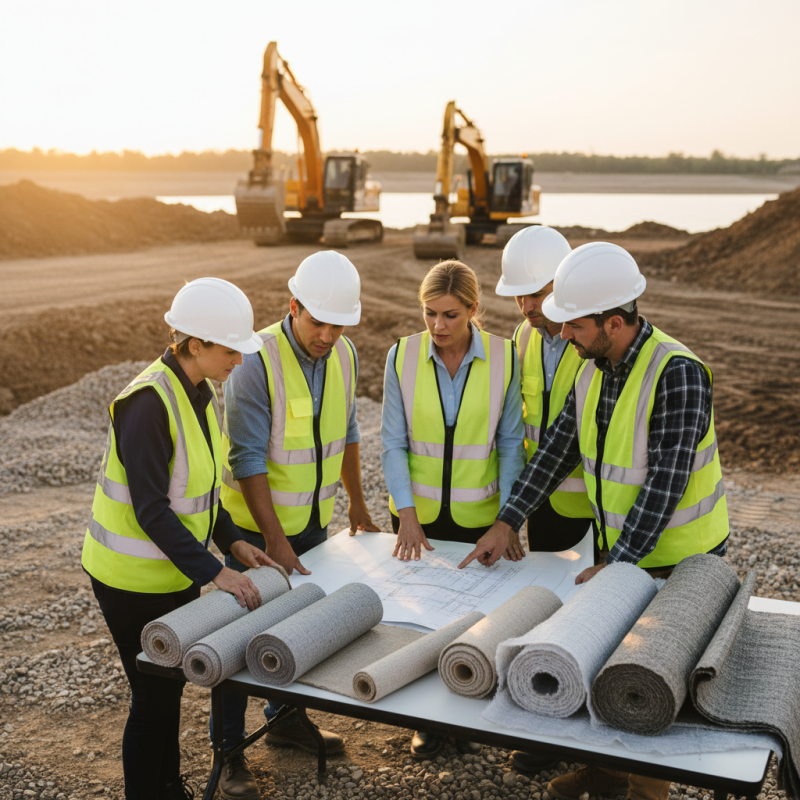
Understanding Different Types of Geotextiles and Their Applications
When it comes to geotextiles, understanding their types is essential. Geotextiles come in three main categories: woven, non-woven, and knitted. Woven geotextiles offer strength and durability, making them ideal for applications like soil stabilization. Non-woven types excel at filtration and drainage, which is crucial in project sites with water management needs. Knitted geotextiles provide flexibility, suitable for projects requiring adaptability.
Tips for selecting the right geotextile include assessing project requirements. Consider soil types and drainage needs. For areas with heavy rainfall, opt for non-woven geotextiles. However, be cautious with woven types in such situations, as they can retain water, causing issues over time.
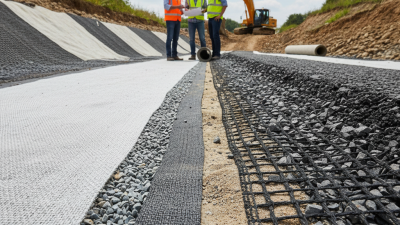
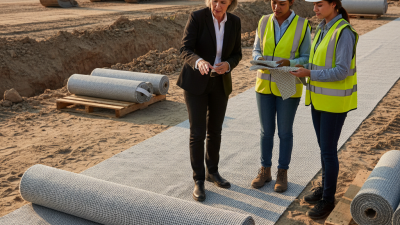
Being aware of the installation process is equally important. Some geotextiles require careful handling. Improper installation can lead to reduced effectiveness. Re-evaluating your project's conditions regularly can help ensure the chosen geotextile meets your ongoing needs. Keep track of changes in soil conditions or water flow, adjusting your approach as necessary.
2026 How to Choose the Right Geotextile for Your Project? - Understanding Different Types of Geotextiles and Their Applications
| Type of Geotextile |
Material |
Applications |
Key Characteristics |
| Non-Woven Geotextile |
Polypropylene |
Drainage, Erosion Control |
High porosity, good filtration |
| Woven Geotextile |
Polyester |
Separation, Stabilization |
High tensile strength, durable |
| Composite Geotextile |
Combination of Woven and Non-Woven |
Filtration and Reinforcement |
Combines advantages of both types |
| Geocells |
Polyethylene |
Soil stabilization, Load support |
3D structure for strength |
| Geotextile Tubes |
Polypropylene or Polyester |
Coastal Protection, Dredging |
Used for dewatering and containment |
Assessing Soil Conditions: Key Factors Influencing Geotextile Selection
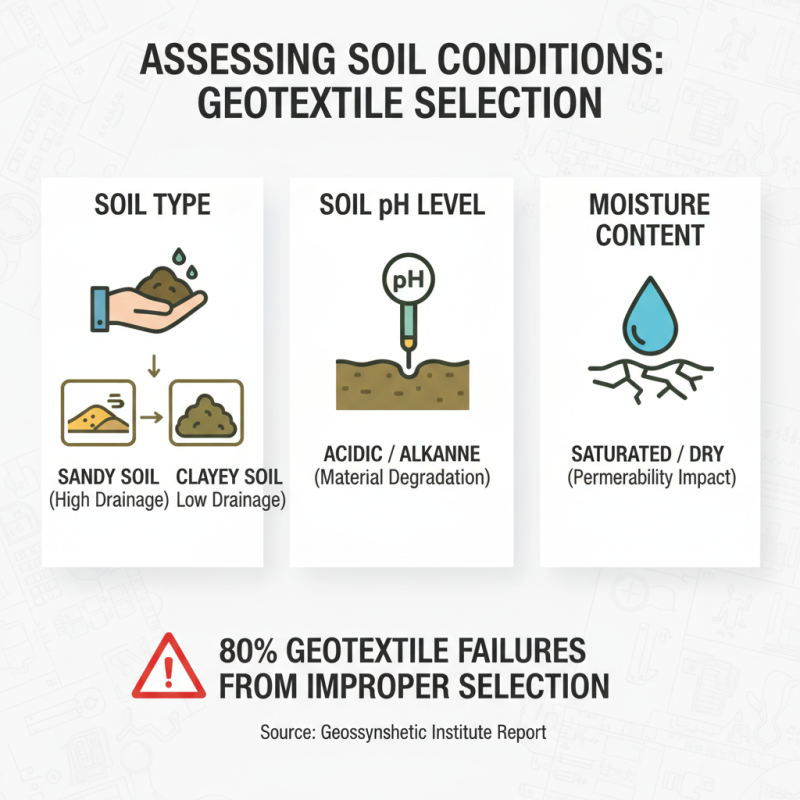
When selecting geotextiles for projects, soil conditions play a pivotal role. Understanding factors such as soil type, pH levels, and moisture content can significantly influence your choice. For instance, sandy soils require different geotextiles compared to clayey soils due to their varying drainage abilities. A report by the Geosynthetic Institute notes that 80% of geotextile failures stem from improper selection based on soil conditions.
Tips: Always conduct a thorough soil analysis. This step is essential for identifying specific needs and potential challenges. Having laboratory data can help during selection.
Soil compaction is another critical element. Compacted soils may require geotextiles with high tensile strength. According to industry guidelines, a tensile strength of at least 12 kN/m is often recommended for stable, compacted soils. Failing to consider soil compaction can lead to unexpected issues and project delays.
Tips: Check compaction levels on-site. Adjust your geotextile choice based on real-time data.
Lastly, consider environmental factors like erosion and vegetation. Certain geotextiles are better suited for areas prone to erosion, while others can promote vegetation growth. A study from the International Geosynthetics Society shows that projects incorporating appropriate geotextiles see a 50% reduction in erosion rates. Making informed decisions based on soil conditions ensures project longevity and cost-effectiveness.
Evaluating Geotextile Properties: Strength, Permeability, and Durability
When selecting the right geotextile for your project, understanding its properties is crucial.
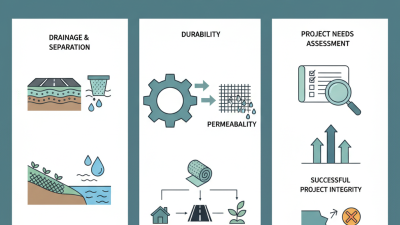
Strength, permeability, and durability are three key factors to consider.
Strong geotextiles help resist mechanical stress and prevent soil erosion. Choosing materials with high tensile strength can enhance project longevity.
Permeability is another vital property. It determines how well water flows through the geotextile. This is important for drainage applications.
Some projects may require materials that permit rapid drainage while others need those that retain moisture.
Evaluating your project's water management needs is essential for selecting the right type.
Tips: Before making a decision, consult with industry experts. Their insights can guide you on which properties matter most for your specific conditions.
Additionally, consider conducting a small-scale test of the geotextile. Observing its performance firsthand can provide valuable feedback.
Keep in mind that not all projects are straightforward. Flexibility in your approach can lead to better outcomes.
Cost-Benefit Analysis: Choosing Economical Geotextiles for Projects
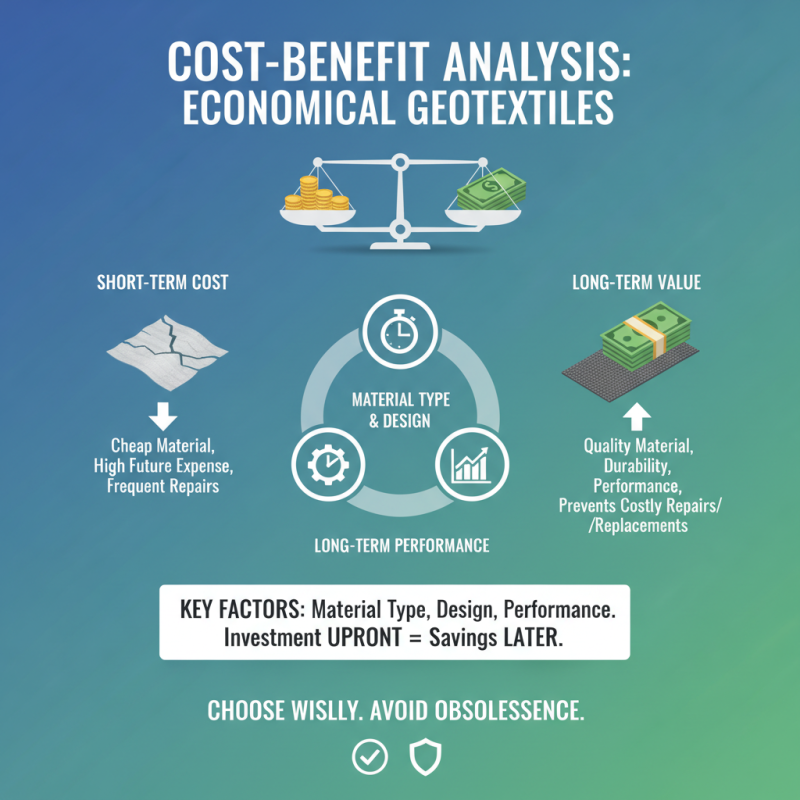
When selecting geotextiles for a project, cost is a crucial factor. Many factors influence the overall cost, such as material type, design, and performance. A cheap option may seem appealing but could lead to higher expenses later. Durability and long-term performance should be considered. Investing in the right material can prevent costly repairs and replacements down the line.
Evaluating the benefits of each geotextile type is essential. Even if a product has a lower initial cost, it might not provide adequate filtration or stability. This could result in project delays and additional costs. Sometimes, it is worthwhile to spend more upfront for quality. A thorough analysis helps to understand the trade-offs.
It’s also important to assess the project’s specific needs. Not every application demands a high-end solution. Geographic location, soil type, and environmental factors come into play. Balancing these elements with your budget requires careful thought. A clear picture of your project's requirements can lead to more informed decisions.
Industry Standards and Regulations for Geotextile Use in Construction
When selecting geotextiles for construction projects, understanding industry standards and regulations is crucial. Various organizations provide guidelines for geotextile use to ensure safety and efficacy. The American Society for Testing and Materials (ASTM) offers testing methods. These standards define properties like permeability, tensile strength, and durability. Adhering to these can prevent costly mistakes in construction.
Local regulations also impact geotextile selection. Some regions may have specific environmental requirements. These can include restrictions on materials that could harm local ecosystems. It is essential to conduct thorough research before making a decision. Consulting with industry experts can guide you in navigating these complexities. Every project presents unique challenges, and reliance on outdated information can lead to problems down the line.
In addition, ensuring compliance with standards is not always straightforward. Projects may face unexpected obstacles, like changes in regulations or new environmental assessments. Staying updated with the latest guidelines requires continuous learning. Engaging in industry forums or workshops can be beneficial. Networking with professionals in the field allows for sharing insights and experiences.
2026 Geotextile Usage in Construction Projects
This chart illustrates the distribution of different types of geotextiles used in construction projects based on industry standards and regulations for the year 2026.