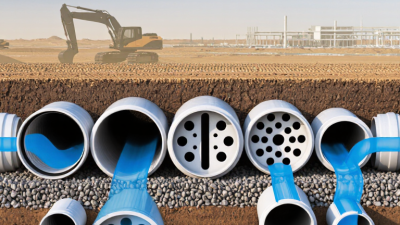
Standing water can turn a useful garden path into a muddy strip, while saturated soil may put pressure on nearby foundations. Choosing the right land drainage pipe helps move excess water toward a suitable outlet, but no single design fits every site. Soil type, expected water volume, ground slope, and installation depth all affect performance. A pipe that works well in sandy soil may clog sooner in fine, silty ground.
Common options include perforated pipes, which collect water through small openings, and solid pipes, which carry it away without letting surrounding soil seep in. Corrugated plastic pipe is lightweight and flexible, making it easier to route around obstacles. Smooth-wall pipe can offer more consistent flow and is often simpler to inspect. Some systems use a gravel bed and filter fabric to reduce sediment entering the pipe. Details matter.
This guide compares the main types, their practical strengths, and their trade-offs. It also considers where each option may suit gardens, lawns, driveways, or larger drainage runs. Pipe diameter, joint quality, and a steady fall can matter as much as the material itself. Even a well-chosen pipe may disappoint if its outlet is blocked or its route is poorly planned. That part is easy to underestimate. The right choice starts with observing where water collects, how quickly it drains, and what the local ground is like. A little uncertainty remains until the site is checked.
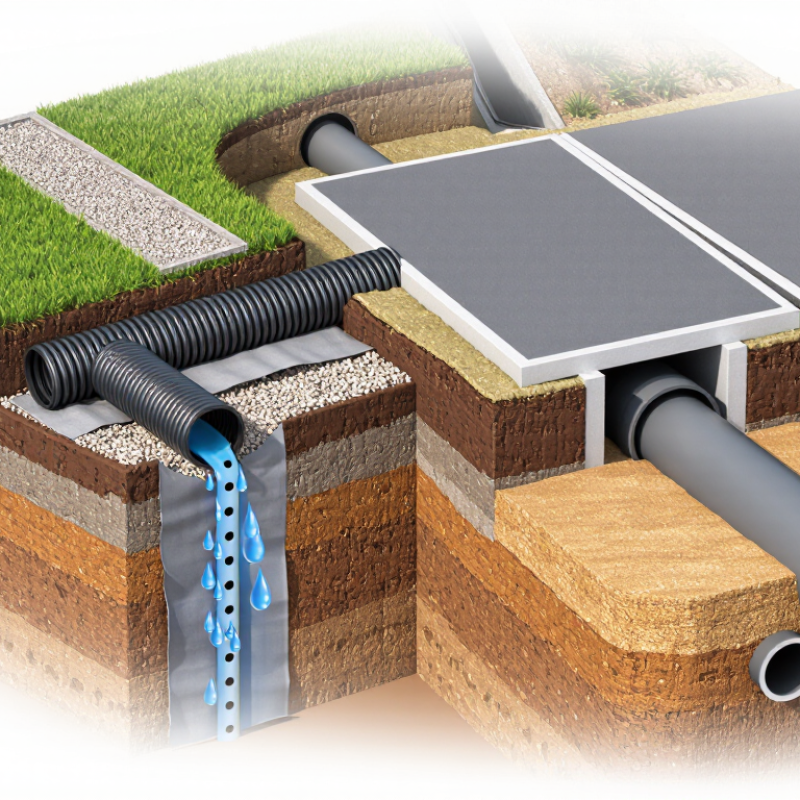
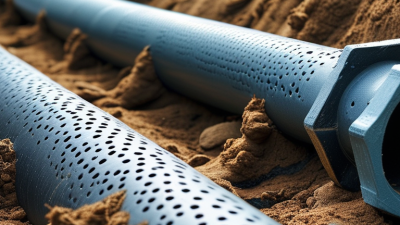
A land drainage pipe moves excess water away from soil that stays wet after rain. Perforated pipes collect groundwater through small openings along their sides. Water enters, then travels through the pipe toward a safe outlet, often using gravity. That depends on a steady downward fall. Solid pipes, by contrast, carry collected water without letting more soil water seep in. They commonly connect a perforated section to an outlet or discharge point.
Tips: Check the pipe slope before covering it. Use washed gravel around perforated pipe, and consider a suitable filter fabric where fine soil could clog the openings. Keep the outlet visible and clear. Small details matter.
Pipe type and placement should match the site. A shallow garden bed may need a different layout from a soggy lawn or retaining wall. The surrounding soil, water volume, and available outlet all affect performance. A pipe alone will not fix every drainage problem; compacted soil or a blocked outlet can still leave puddles. I have seen a neat trench perform poorly when its outlet sat too high. That is easy to miss. For persistent water, inspect the grade and discharge route before choosing a pipe size.
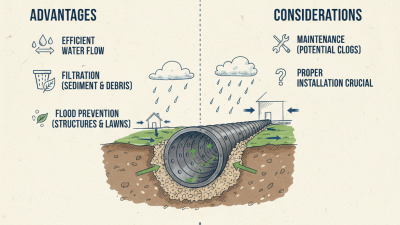
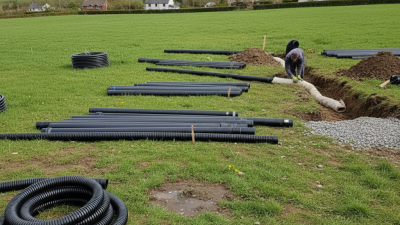
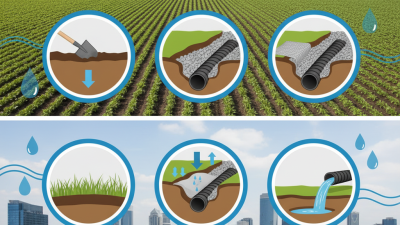
Land drainage pipes mainly fall into perforated and solid types. Perforated pipe has small openings along its length, allowing water from saturated soil to enter. It is commonly placed in a gravel-filled trench, with a filter fabric helping limit sediment buildup. This type suits areas where water collects beneath lawns, beside foundations, or across low garden beds.
Small details matter. The holes must face the intended direction, and the pipe needs a steady fall toward a safe outlet.
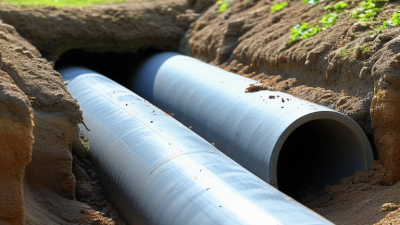
Solid pipe carries water without collecting it through its walls. It is useful for moving runoff from a drain inlet or a perforated section to an outlet, such as a ditch or soakaway. Corrugated plastic pipe is lightweight and bends around obstacles, though its flexible shape can make accurate grading harder. Rigid PVC or HDPE pipe holds a straighter line and can be easier to inspect, but fittings and trench preparation need care.
A mixed system often works well: perforated pipe gathers groundwater, then solid pipe carries it away. Soil type, expected flow, and outlet location affect the choice. A plan can look simple on paper and still miss a shallow dip in the yard, so check the route and slope before covering the trench.
Land drainage pipes differ in both material and wall structure. Smooth-wall PVC offers a low-friction interior, which helps water move through a line with less resistance. Corrugated HDPE is lighter and more flexible, useful where ground movement or tight handling conditions matter. Its ribs add stiffness, but the inside surface may be corrugated too. Double-wall designs combine a ribbed exterior with a smoother interior. Perforated versions admit groundwater through slots or holes; solid-wall pipe carries it away. Small detail, big effect.
Concrete pipe is rigid and heavy, so installation usually needs careful bedding and lifting equipment. It can suit larger drainage runs, but joints and foundation support need attention. The 2021 ASCE Report Card for America’s Infrastructure assigned stormwater infrastructure a D grade. That grade is a system-level warning, not a test of any one pipe material. Still, it highlights why access for inspection and maintenance matters. Material choice alone cannot prevent sediment buildup or crushed sections. A slightly awkward truth: the cheapest pipe may not be the least costly after excavation and repairs. Check soil conditions, expected loads, outlet design, and local specifications before choosing. A smooth interior is useful, but correct slope and secure joints matter just as much.
| Pipe type | Typical material and structure | How it handles water | Common applications | Key advantages | Important considerations |
|---|---|---|---|---|---|
| Single-wall corrugated pipe | Usually flexible polyethylene (PE) or high-density polyethylene (HDPE), with corrugations along the pipe wall; commonly supplied with perforations for subsurface collection. | Perforations admit surrounding groundwater; water then travels along the pipe to an outlet or collection point. | Yard and landscape drains, garden beds, and smaller agricultural drainage runs. | Lightweight, flexible, and easy to handle around gentle curves; widely used for basic drainage layouts. | The corrugated interior can create more flow resistance than a smooth bore. Installation depth, soil support, and loading limits matter. |
| Dual-wall corrugated HDPE pipe | HDPE pipe with a corrugated exterior for structural support and a smoother interior wall; perforated and non-perforated versions are available. | Perforated versions collect groundwater; non-perforated versions convey water without intentionally admitting it through the wall. | Longer drainage runs, agricultural fields, road drainage, and stormwater conveyance where specified for the project. | The smooth interior generally supports more efficient flow than a corrugated interior of comparable size; the exterior profile helps resist external loads when properly installed. | Confirm the pipe’s load rating, joint system, perforation pattern, and installation requirements for the site conditions. |
| Perforated PVC pipe | Rigid polyvinyl chloride (PVC) pipe with a smooth interior and drilled or manufactured inlet openings; supplied in different diameters and wall classes. | Openings allow groundwater to enter the pipe, while the smooth bore conveys it toward an outlet. | Foundation drains, French drains, retaining-wall drainage, and other systems requiring a relatively rigid pipe. | Smooth interior, consistent shape, and a range of fittings can make it suitable for straight, carefully aligned runs. | Less flexible than corrugated pipe and may require more fittings around bends. Select the wall class and bedding for the expected loads. |
| Clay drainage tile | Vitrified clay, traditionally installed as short sections with open joints; modern systems may use purpose-made joints or openings. | Water enters through designed openings or, in older installations, through joints between sections. | Older agricultural subsurface drainage systems and selected projects where clay tile is specified. | Rigid, non-metallic material with good resistance to many forms of chemical and biological degradation in suitable conditions. | Brittle and less tolerant of movement or impact than flexible plastic pipe; short sections can mean more joints and careful installation. |
| Concrete drainage pipe | Rigid precast concrete sections, generally used in larger diameters; most commonly used as a closed conveyance pipe rather than a perforated field drain. | Carries collected water through a defined route. Inlets are typically provided by structures or specified openings rather than a perforated pipe wall. | Large stormwater drains, culverts, and main drainage routes designed for substantial flows or external loads. | Rigid construction and availability in large sizes can suit engineered conveyance systems. | Heavy sections require suitable lifting and installation equipment. Design must account for joints, bedding, cover, and site loads. |
| Perforated versus solid-wall pipe | This describes the pipe’s inlet configuration, not its material: perforated pipe has openings; solid-wall pipe does not. | Perforated pipe collects or disperses water through its openings. Solid-wall pipe is used to carry water between collection points and an outlet. | Often combined in one system: perforated sections in the drainage area and solid sections for the outlet connection. | Choosing each configuration for its role helps separate water collection from water conveyance. | Orientation, filter fabric or suitable aggregate, slope, and outlet design affect performance. Follow project specifications and local requirements. |
Note: Suitability depends on soil conditions, groundwater levels, expected loads, pipe size, installation details, and local design requirements.
Perforated pipe belongs where water needs to leave the soil, not merely travel across the surface. In gardens, sports fields, and agricultural plots, it sits in a gravel-filled trench, with slots or holes facing the surrounding soil. USDA Natural Resources Conservation Service Conservation Practice Standard 606 describes subsurface drains as a way to remove excess water from the soil profile. Corrugated polyethylene is flexible and useful around gentle curves; rigid perforated PVC can suit straighter runs. Filter fabric may help where fine soil could clog the openings, but it is not a cure for poor installation.
Solid-wall pipe serves a different job. It carries collected water from downspouts, yard inlets, or perforated field drains toward a safe outlet. Smooth-wall PVC or polyethylene is common for these runs, where reliable flow and accessible cleanouts matter. Placement matters. A pipe with no working outlet can simply move the problem downhill.
For heavier flows under roads or large paved areas, reinforced concrete pipe is often selected for its structural capacity and resistance to external loads. Corrugated metal may also appear in culverts and roadside drainage, depending on site conditions and maintenance needs. ASCE’s 2021 Infrastructure Report Card assigned U.S. stormwater infrastructure a D grade, reflecting significant system challenges. That rating is not a pipe-selection guide, but it underlines why sizing, slope, and outlet condition deserve more attention than material alone. I’ve seen the outlet detail treated as an afterthought; that is an easy mistake to repeat.
Choosing a land drainage pipe starts with the water problem. Perforated pipe collects water from saturated soil, while solid pipe carries it to an outlet. Flexible corrugated pipe bends around garden beds and uneven ground. Rigid pipe can be easier to align beneath paths or driveways. Each has limits. A perforated pipe may clog if soil enters its openings, so a suitable filter sleeve or gravel surround can help.
Check the soil, expected water flow, pipe depth, and surface load before buying. Clay often drains slowly, while sandy soil can let water move quickly. Pipe diameter and slope matter too; a pipe set too flat may leave water standing. Confirm that the planned outlet is practical and allowed locally. It is easy to focus on pipe material and overlook the outlet. That can undermine an otherwise careful installation.
Tips: Match the pipe to its job: perforated for collection, solid for conveyance. Use clean drainage aggregate around collection pipes, and keep fine soil out. Check for a steady fall with a level before covering the trench. If the site floods repeatedly, a drainage professional can assess the cause; a pipe alone may not solve it.