How to Choose the Right Land Drainage Pipe for Your Needs?
Choosing the right land drainage pipe is essential for effective water management. With various options available, it can be overwhelming to make a decision. Different materials and designs serve specific purposes. This makes understanding your needs crucial.
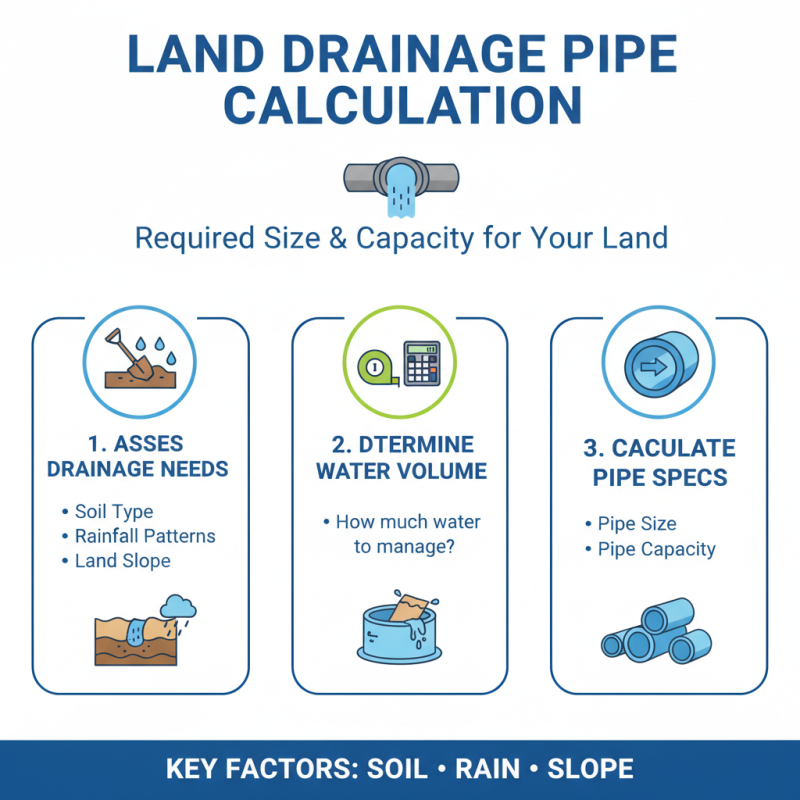
Consider the soil type and climate in your area. You may need a pipe that can handle high water flow. Some materials resist corrosion better than others. This impacts the longevity of your drainage system. A reliable choice can prevent costly repairs in the future.
Don't overlook installation requirements. Some pipes may require more expertise to install properly. Think about maintenance needs as well. Choosing a low-maintenance option could save you time and effort down the line. Overall, investing in the right land drainage pipe is vital for your property's health and sustainability.
Understanding the Importance of Land Drainage Systems
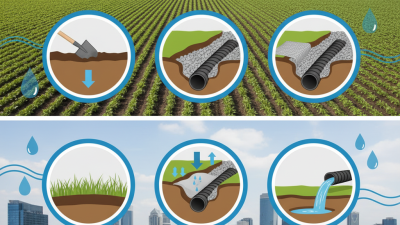
Land drainage systems play an essential role in managing excess water. They help prevent soil erosion and crop damage. By efficiently directing water away from your land, these systems maintain soil health. Well-designed drainage improves productivity, especially in agricultural settings.
Choosing the correct drainage pipe depends on various factors. Soil type, water flow, and land topography are crucial. For instance, sandy soils drain quickly, while clay soils hold water longer. Do you know your soil type? Understanding it can save time and resources.
The size and material of the drainage pipe impact its effectiveness. A larger diameter may handle more water but requires careful planning. Some materials offer better durability but may come with higher costs. Have you considered the long-term implications of your choices? It's vital to ensure a balance between performance and cost-efficiency. Reflecting on these factors can lead to better outcomes for your land drainage needs.
Types of Land Drainage Pipes and Their Applications
When selecting land drainage pipes, it's essential to understand their various types and applications. The three main types are corrugated pipes, PVC pipes, and perforated pipes. Each type serves a specific purpose, catering to different drainage needs. For instance, corrugated pipes are widely used for field drainage due to their flexibility and ease of installation. They can handle large volumes of water while preventing soil erosion.
PVC pipes, known for durability, offer resistance to chemicals and environmental stress. They are ideal for areas with high soil acidity, which can degrade other materials. Perforated pipes, equipped with holes for water entry, are excellent for subsurface drainage. According to a report by the American Society of Agricultural and Biological Engineers, proper drainage can accelerate crop yield by 20-30%.
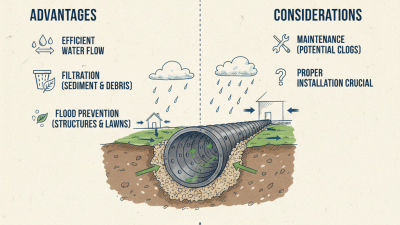
Despite these advantages, it’s crucial to consider the soil type and landscape when choosing the right pipe. Poor selection can lead to issues, such as waterlogged fields. Moreover, some users might underestimate the importance of filtering materials to prevent clogging. Regular maintenance is also necessary; otherwise, drainage efficiency may decline over time. Always research and consult with professionals when deciding on the best drainage solution for your needs.
Factors to Consider When Choosing Drainage Pipe Material
Choosing the right drainage pipe material is crucial for effective land drainage. Different materials offer unique properties and parameters that affect longevity and performance. A recent industry report indicated that Polyvinyl Chloride (PVC) pipes account for nearly 65% of the market share due to their lightweight nature and resistance to corrosion. However, their flexibility may pose challenges in certain soil types.
In contrast, rigid materials like concrete and clay can withstand higher pressures and last longer in challenging environments. Industry data shows that concrete pipes have an extended lifespan of over 100 years. This durability can be a double-edged sword. While they are resilient, their heavier weight complicates installation and maintenance. A careful assessment of the soil's composition and water table level is vital in determining the most suitable material.
Nonetheless, unforeseen factors can impact performance. For example, changing weather patterns and soil erosion may affect drainage efficiency. Continuous monitoring and inspection can ensure the chosen material meets evolving site conditions. Balancing durability, flexibility, and installation challenges is essential for long-term success in land drainage solutions.
Installation Tips for Optimal Performance of Drainage Pipes
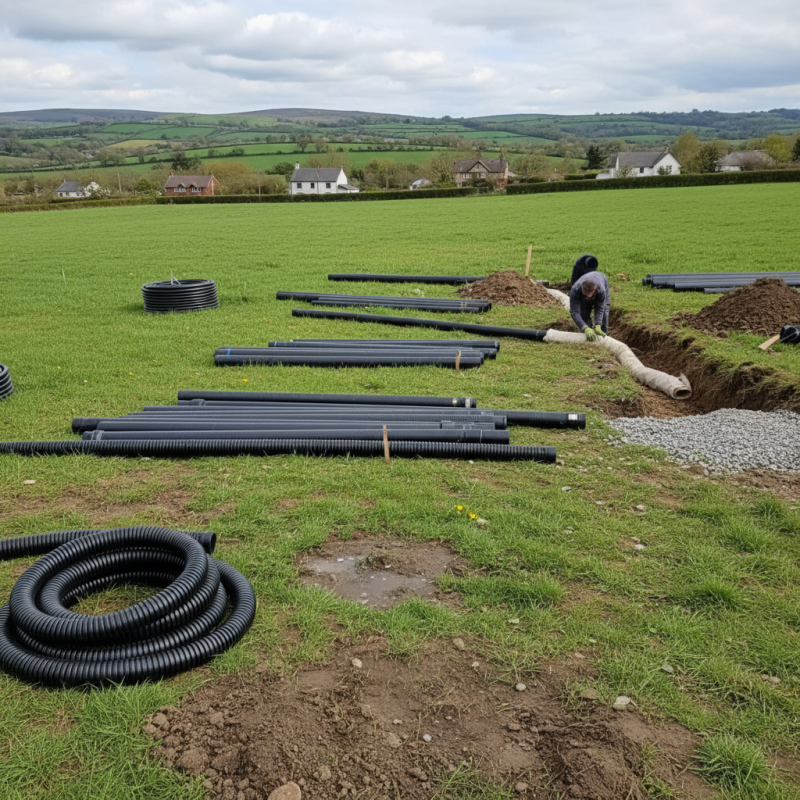
When installing drainage pipes, proper technique is crucial for effective performance. Many experts recommend a slope of at least 1-2% to ensure water flows smoothly. This helps prevent blockages and reduces the risk of standing water. Research shows that pipes installed at the right angle serve better in both residential and agricultural settings.
Choosing the right materials is equally important. For various soil conditions, perforated pipe is often used to promote drainage. In sandy soils, a less porous pipe can be effective. According to industry reports, poorly chosen drainage systems can lead to structural damage, affecting property values significantly. Regular maintenance is essential; cleaning debris from the outlets can extend a pipe's lifespan.
Another aspect to consider is the installation depth. Placing pipes too shallow can lead to freeze issues in colder climates. Conversely, overly deep installations may complicate access for repairs. Understanding soil types and local climate is key. Balancing these factors can enhance the long-term effectiveness of drainage systems.
Drainage Pipe Types and Their Flow Capacity