What Are Drainage Supplies and How Do They Work?
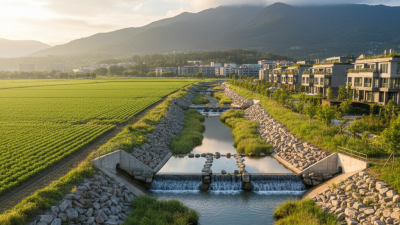
Water rarely announces a drainage failure. It appears as a damp wall, a flooded driveway, or soil pooling beside a foundation. Drainage supplies help control that water. They include channels, grates, catch basins, pipes, inspection chambers, filters, and infiltration systems.
The United Nations World Water Development Report 2024 describes water demand as rising globally, while climate change increases flood and drought pressure. The U.S. Environmental Protection Agency also identifies stormwater runoff as a major source of urban water pollution. These findings make drainage design more than a construction detail. It becomes a public health, property protection, and environmental responsibility.
Professor David Butler, co-author of Urban Drainage, explains the essential principle clearly: “Urban drainage must be understood as a system, not simply as a pipe network.” That idea matters when selecting drainage supplies. A channel may look suitable, yet poor falls, blocked outlets, or undersized pipes can defeat the entire installation. Small details matter.
A sensible system captures water near its source. It then conveys, stores, treats, or infiltrates that water safely. The right combination depends on rainfall, soil, surface area, maintenance access, and local conditions. Sometimes, the simplest design performs best.
However, product labels can create false confidence. “Heavy duty” does not automatically mean suitable for every load or climate. Specifications need checking. Installation quality needs checking too. This guide examines what drainage supplies are, how they work, and where common assumptions fail. It also considers practical maintenance, because neglected drainage eventually reveals its weaknesses.
Definition and Purpose of Drainage Supplies
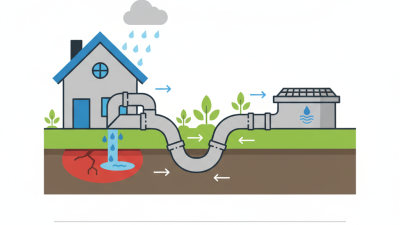
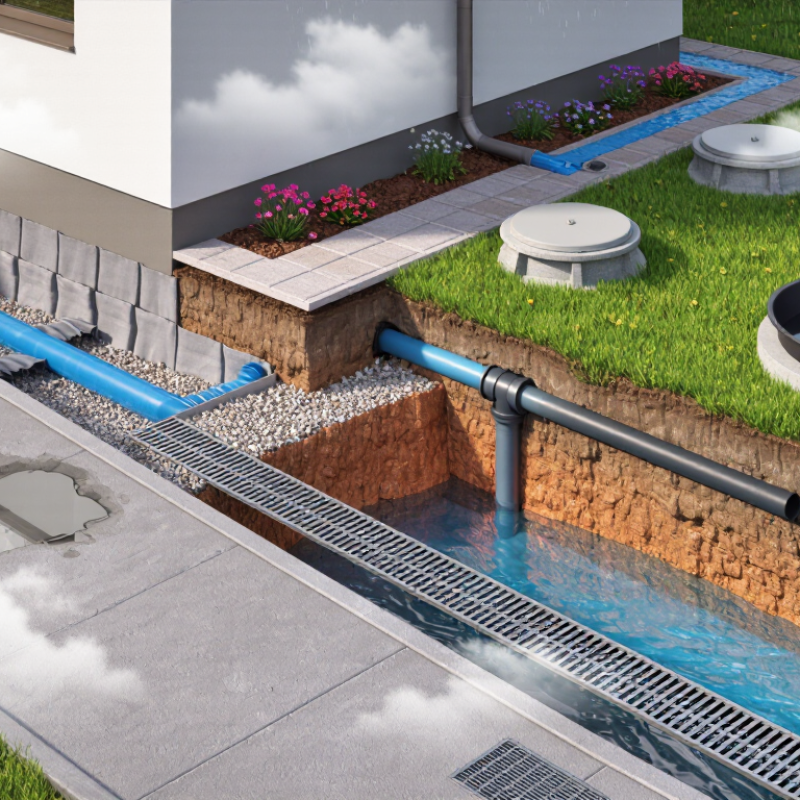
Drainage supplies are the physical components that collect, filter, and move unwanted water. They include channel drains, grates, catch basins, pipes, inspection chambers, geotextiles, and discharge outlets. Their purpose is practical: keep water away from foundations, walkways, roads, and occupied spaces. A grated channel captures surface flow, while an underground pipe carries it toward storage, infiltration, or a lawful discharge point. Sediment settles inside chambers before water moves onward. That small step matters.
The 2023 WHO/UNICEF Joint Monitoring Programme estimated that 3.5 billion people lacked safely managed sanitation in 2022. Drainage is not sanitation, but dependable water control supports cleaner and safer environments. The IPCC Sixth Assessment Report also identifies urban flooding as an increasing climate risk, especially where surfaces prevent natural infiltration. Engineers therefore consider rainfall intensity, ground slope, soil type, pipe capacity, and maintenance access. A narrow outlet may clog quickly. A strong grate may still fail if leaves cover it.
In practice, the weak point is often maintenance. Regular inspection removes silt, roots, and litter before they restrict flow. Designs can look correct on paper, yet local runoff may behave differently. Observing water after heavy rain remains valuable.
Main Types of Drainage Supplies
What Are Drainage Supplies and How Do They Work?
Main Types of Drainage Supplies
Drainage supplies move rainwater, wastewater, or groundwater away from buildings and paved areas. The correct combination prevents standing water, soil erosion, and moisture damage. Pipework is the backbone. PVC, HDPE, and reinforced concrete pipes carry water toward a sewer, soakaway, or discharge point.
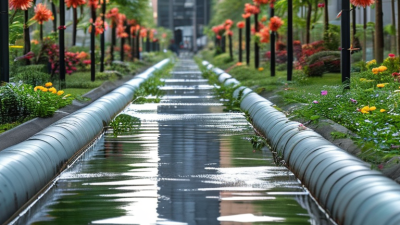
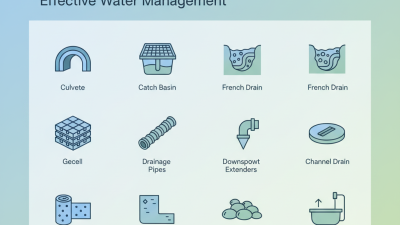
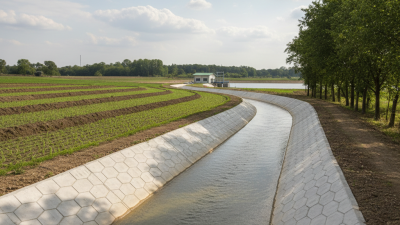
Surface drainage uses channel drains, trench grates, catch basins, and yard inlets. Channel drains suit driveways and patios because their long openings collect runoff across a wide line. Catch basins hold leaves and sediment before water enters underground pipes. Grates need enough load strength for their location. A pedestrian area needs different protection from a vehicle entrance.
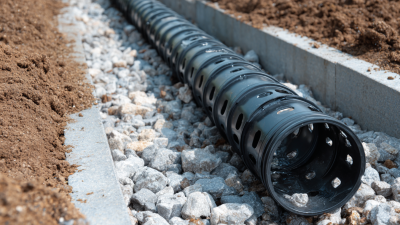
Subsurface systems use perforated pipes, filter fabric, gravel, and inspection chambers. They collect groundwater around foundations or retaining walls. Sump pumps remove water from low points, while check valves reduce backflow risk. Backwater valves matter where sewer surcharging is possible. Small details matter.
The U.S. Environmental Protection Agency reports that household leaks can waste nearly one trillion gallons of water annually nationwide. Reliable joints and accessible cleanouts can reduce avoidable losses. The American Society of Civil Engineers gave U.S. stormwater infrastructure a D grade in its 2021 report card. That figure shows why drainage design cannot rely on pipes alone. In practice, designers must assess rainfall intensity, soil absorption, slope, and maintenance access. Bigger is not always better. Oversized drains can move water quickly, yet poorly placed outlets may still flood a yard.
Materials, Components, and Design Features
Drainage supplies are the working parts that move unwanted water away from buildings, roads, and landscaped areas. Common materials include PVC, concrete, clay, galvanized steel, and high-density polyethylene. Each material reacts differently to soil pressure, sunlight, chemicals, and temperature changes. Flexible plastic pipes suit uneven ground, while concrete performs well under heavy loads. Material choice should follow the site conditions, not habit.
A drainage system usually includes pipes, channels, catch basins, grates, couplings, cleanouts, and outlet structures. Perforated pipes collect groundwater through small openings. Solid pipes carry water toward a safe discharge point. Gravel and filter fabric can surround a perforated pipe, reducing sediment entry. The slope must remain consistent. Even a small low spot can hold water and create unpleasant odors. Small errors matter.
Good drainage is quiet. Design features such as removable grates, inspection points, and accessible cleanouts make maintenance safer and more practical. In field inspections, blocked inlets often cause more trouble than damaged pipes. Leaves, soil, and ice gradually reduce flow. Engineers also consider rainfall intensity, soil permeability, overflow routes, and local requirements. I would not treat every standard detail as perfect; unusual sites sometimes need slower flow, extra storage, or a revised outlet location. A design that looks neat on paper may still fail beside a foundation or on a steep slope.
Selecting, Installing, and Maintaining Drainage Supplies
Drainage supplies include channel drains, catch basins, grates, pipes, filters, and inspection points. Selecting them starts with water, soil, and slope. A patio needs different components from a clay-soil driveway. Measure the catchment area, then estimate peak runoff during intense rain. Undersized outlets often fail quietly. Water backs up beside walls.
The U.S. Environmental Protection Agency’s 2022 Clean Watersheds Needs Survey reported more than $630 billion in documented wastewater infrastructure needs. That figure reflects a wider maintenance problem. The ASCE 2021 Infrastructure Report Card rated stormwater infrastructure C−. These findings support careful sizing and accessible maintenance. I prefer systems with removable grates and visible discharge points. They make blockages easier to find. Still, calculations can miss leaves, sediment, or unusual storms.
During installation, keep pipe runs sloped and joints properly sealed. Follow local specifications for depth, bedding, and discharge. A laser level helps prevent low spots that hold water. Compact backfill in thin layers. Poor compaction can later create depressions around drains. Test the system with controlled water before covering it. This step catches mistakes early. I have seen perfectly clean channels fail because the outlet was buried.
Maintenance should include seasonal grate cleaning, sediment removal, and inspection after heavy rain. Record recurring blockages and inspect nearby soil movement. Replace cracked components promptly. Do not wait for visible flooding. A small maintenance log can reveal patterns that memory misses. That detail matters.