Top 10 Drainage Supplies You Need for Global Sourcing?
In today's competitive market, sourcing quality drainage supplies is crucial for effective water management. Proper drainage is vital for construction, agriculture, and urban planning. Selecting the right supplies can prevent costly water damage and ensure sustainability.
Many businesses struggle with choosing the best drainage supplies for their needs. The variety available can be overwhelming. Some suppliers may not meet the required standards, leading to reliability concerns. It’s essential to prioritize quality and functionality over cost to avoid future issues.
Understanding the types of drainage supplies available is key. From pipes and fittings to filters and drainage mats, each component plays a significant role. Investigating materials like PVC or HDPE can help you make informed decisions. Being aware of the latest industry trends will also enhance your sourcing strategy. This knowledge helps mitigate risks and improve project outcomes.
Essential Drainage Pipes for Effective Global Sourcing
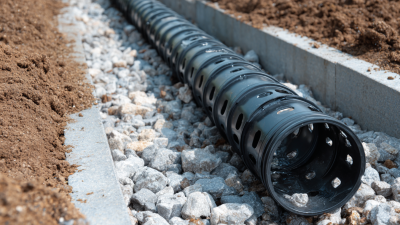
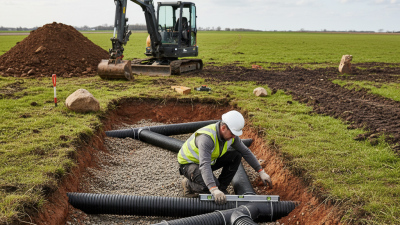
When sourcing drainage supplies globally, choosing the right pipes is critical. Essential drainage pipes come in various materials, such as PVC, HDPE, and concrete. Each material offers unique benefits suited for different environments. For example, PVC pipes are lightweight and resistant to corrosion, making them ideal for residential projects. In contrast, HDPE pipes provide flexibility and strength, perfect for rigorous applications.
The installation of drainage pipes requires precision. Incorrect fitting can lead to leaks or blockages. Ensuring that pipes are laid at the correct gradient is essential for optimal water flow. Regular inspections during installation can prevent complications later. Contractors often overlook this in favor of speed. However, taking the time to check each installation aspect builds a more reliable drainage system.
Furthermore, always consider local regulations. Compliance with laws is non-negotiable. Failure to adapt to local requirements can result in costly fines or project delays. Sourcing materials that meet global standards is not always straightforward. Keep an open channel with suppliers to clarify specifications. Understanding the strengths and weaknesses of different drainage pipes allows for better decisions in the sourcing process.
High-Quality Drainage Fittings: What to Look For
When sourcing drainage fittings, quality is key. High-quality materials ensure durability and effectiveness. Look for fittings made from stainless steel or heavy-duty PVC. These materials resist corrosion and withstand pressure, making them ideal for various applications. Check for robust joints and seals to prevent leaks over time.
Evaluate the design of the fittings as well. Opt for components that facilitate easy installation and maintenance. Consider compatibility with existing systems. Misalignment in fittings can lead to costly repairs. Some suppliers offer customizable options, which can be a worthwhile investment for specific needs.
Remember that not all fittings meet the same standards. Research suppliers to find those with a reputation for high-quality products. Reading reviews can help, but firsthand experience is invaluable. Testing a small batch before committing to larger orders is a wise approach. Quality should never be compromised for price, as it can save money in the long run.
Reliable Drainage Grates and Their Importance in Sourcing
Reliable drainage grates play a crucial role in effective global sourcing. A study by the American Society of Civil Engineers (ASCE) highlights that improper drainage can lead to substantial infrastructure damage, costing cities millions in repairs. High-quality grates help prevent blockages, ensuring smooth water flow and reducing flood risks.
The choice of materials is vital. Experts emphasize that cast iron and polymer grates offer strength and durability. According to a recent industry report, about 40% of drainage issues stem from inadequate grating systems. Investing in reliable grates can drastically improve drainage efficiency and longevity.
Moreover, sourcing practices must consider compliance with local regulations. Sometimes, companies overlook these standards, leading to costly penalties. Understanding regional requirements enhances sourcing strategies and builds trust with suppliers. For effective global sourcing, focusing on reliable drainage grates is not just beneficial, it is essential.
Key Drainage Accessories to Enhance System Efficiency
When optimizing drainage systems, having the right accessories is crucial. Quality drainage supplies enhance efficiency, prevent leaks, and ensure longevity. For instance, using reliable connectors can minimize water loss and improve flow. Proper fitting materials play a vital role in maintaining system integrity. If poorly selected, they can lead to blockages and additional costs.
Investing in high-grade filters is also essential. They keep debris out of pipes. This minimizes clogs and maintenance needs. Regularly checking these filters can prevent system failure. Additionally, waterproofing membranes can be crucial in protecting drainage components. Over time, neglecting such protective features can result in serious damage.
Incorporating flow control valves contributes to system flexibility. Adjusting water levels is made easier. However, mistakes in installation can hinder water management. Consistent monitoring is vital for optimal performance. Simple issues, when left unchecked, can escalate quickly. Recognizing these elements ensures more efficient drainage solutions.
Top 10 Drainage Supplies You Need for Global Sourcing
| Item |
Description |
Material |
Application |
Efficiency Boost (%) |
| Drainage Pipe |
Flexible piping for various drainage applications. |
PVC |
Surface drainage systems |
25 |
| Culvert |
Used to channel water under roads or paths. |
Concrete |
Highway drainage |
30 |
| Catch Basin |
Collects debris and sediment from stormwater. |
Polyethylene |
Urban runoff management |
20 |
| Channel Drain |
Surface drainage for patios and driveways. |
Aluminum |
Driveway drainage |
15 |
| Geotextile Fabric |
Prevents soil erosion while allowing water flow. |
Polypropylene |
Erosion control |
40 |
| End Cap |
Seals the end of drainage pipes. |
PVC |
Pipe termination |
10 |
| Perforated Pipe |
Allows water to seep in from the surrounding soil. |
HDPE |
French drains |
35 |
| Sump Pump |
Removes accumulated water from sump basins. |
Cast Iron |
Basement flooding prevention |
50 |
| Outlet Box |
Facilitates drainage outlet connections. |
PVC |
Waterway junctions |
20 |
| Drain Grate |
Covers drainage openings while allowing water flow. |
Stainless Steel |
Surface drainage |
15 |
Best Practices for Sourcing Sustainable Drainage Materials
Sourcing sustainable drainage materials requires careful consideration of environmental impact. Opt for products made from recycled or natural materials. This approach minimizes waste and promotes a circular economy. Some materials, like permeable pavers and bioretention soil, enhance water management. They are more effective in reducing runoff and improving site drainage.
Engaging with local suppliers can also foster sustainability. Regional sourcing reduces transportation emissions. It supports local economies as well. However, challenges exist. Not all local suppliers provide high-quality or sustainable options. Conduct thorough research to ensure you are choosing the right suppliers. Assess their practices and certification standards diligently.
Collaboration with environmental consultants can enhance sourcing strategies. Their expertise can guide the selection of materials that comply with regulations and sustainability goals. Nonetheless, it’s essential to be open to feedback. Recognizing missteps in sourcing choices helps refine strategies for future projects. By balancing quality and sustainability, you can find effective drainage solutions.