How to Choose the Right Manhole Cover and Frame for Your Needs?
Choosing the right manhole cover and frame is crucial for infrastructure safety. With urban development increasing, the demand for quality covers is on the rise. According to a report by the Global Research Institute, the manhole cover market is projected to grow by 5.3% annually until 2026. This growth highlights the need for careful selection based on durability and application.
Expert Susan Reynolds, a leading authority in the manhole cover and frame industry, stated, "Selecting the appropriate cover is not just about fit; it's about ensuring long-term safety and efficiency." Her insights emphasize that covers must withstand heavy traffic and environmental stressors. Environmental factors can lead to significant wear over time.
It's common for buyers to overlook specifications. Many don’t realize that different materials influence performance and longevity. Selecting an ill-suited manhole cover can result in costly replacements and safety hazards. Reflecting on these considerations can lead to better choices, ensuring infrastructure remains robust and reliable.
Factors to Consider When Selecting a Manhole Cover
Choosing the right manhole cover and frame involves careful consideration of several factors. Load rating is crucial for ensuring safety and durability. According to a report by the American Society of Civil Engineers, manhole covers are subjected to heavy traffic loads. A cover rated for at least 3,000 pounds is typical in urban areas to withstand vehicle impact.
Material selection also plays a significant role. Cast iron is commonly used due to its strength and longevity. A study indicated that cast iron covers have a service life of over 30 years with proper maintenance. However, the weight of cast iron can make installation labor-intensive, which may not suit every project. Alternatives like composite materials offer a lighter option but may require more frequent replacement.
Environmental conditions cannot be overlooked either. Covers in coastal areas must resist corrosion from salt. In contrast, regions with extreme temperatures need materials that can endure thermal fluctuation. Failure to account for these aspects can lead to premature failure and increased maintenance costs. Proper research and consultation with industry experts can guide in making informed choices for specific needs.
Types of Manhole Covers and Their Applications
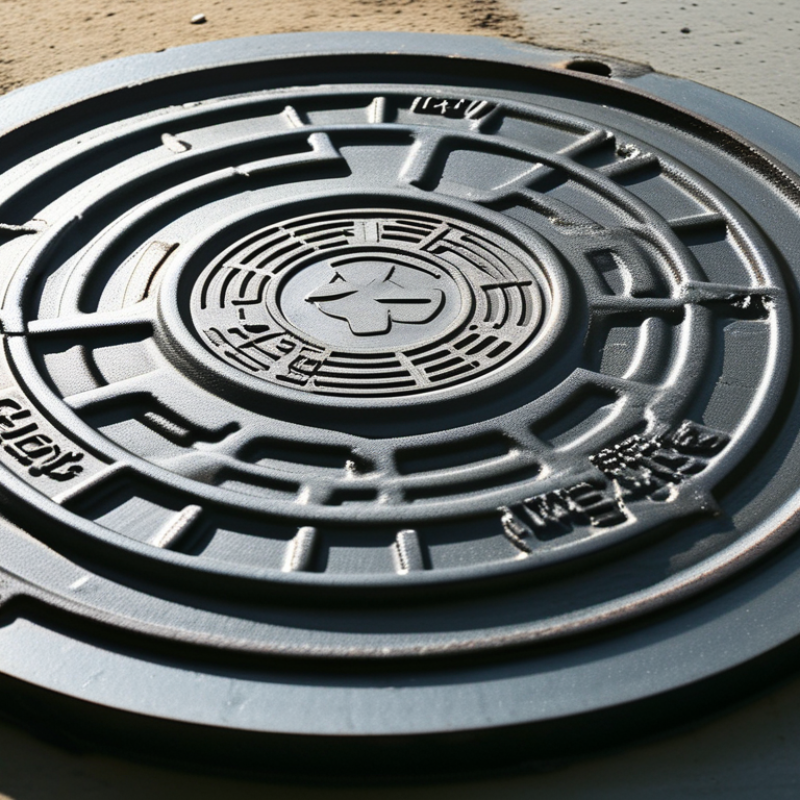
Manhole covers come in various types, each designed for specific uses. The most common are cast iron, concrete, and composite covers. Cast iron covers are strong and reliable. They are perfect for roads and high-traffic areas. Their durability ensures they withstand heavy loads. However, they can be heavy and prone to corrosion.
Concrete manhole covers are used in less trafficked areas. They are lighter than cast iron and more cost-effective. These covers work well in parks or green spaces. Yet, they might not support heavy vehicles, which could lead to cracking. Composite covers are a newer option. They are lightweight and resistant to corrosion. Additionally, they are designed to be more aesthetically pleasing. However, their long-term performance remains to be fully established.
When choosing a manhole cover, consider the environment. Traffic levels and maintenance needs are key factors. Oversized or heavy covers can be a challenge for maintenance workers. On the other hand, lighter covers may lack durability in high-traffic zones. Reflect on the specific demands of your location. Make an informed choice to ensure safety and longevity.
Material Choices for Manhole Covers: Strength and Durability
Choosing the right material for manhole covers is crucial. It impacts strength and durability. Often, materials such as cast iron, ductile iron, and composite are used. Cast iron offers excellent durability but may be heavy. Ductile iron is lighter and resistant to cracking, making it a popular choice for utility companies. However, it can be more expensive.
Composite materials are gaining traction. They are lightweight and resistant to corrosion. This makes them ideal for areas with heavy rainfall. Yet, not all composites provide the same level of strength. It’s essential to evaluate the specific demands of your environment.
Corrosion resistance is also a key consideration. Coastal areas require materials that withstand saltwater. Meanwhile, urban settings may expose manhole covers to chemicals and heavy traffic. Understanding these factors helps ensure the right choice. Reflecting on the unique needs of each installation can prevent future issues.
Evaluating Load Ratings for Manhole Covers and Frames
Selecting the right manhole cover and frame requires a solid understanding of load ratings. Load ratings indicate how much weight a cover can handle. These ratings can vary significantly based on the material, design, and intended use. Industrial applications usually require higher load ratings than residential uses. For example, covers designed for heavy vehicle traffic should meet a load rating of at least H20, which corresponds to 16,000 pounds. In contrast, a cover for pedestrian areas may only need a load rating of A15, roughly 3,000 pounds.
When evaluating load ratings, consider factors such as material composition and environmental conditions. Steel covers often offer better durability than plastic ones. However, some plastic covers can be lightweight and resistant to corrosion. A comprehensive industry report states that over 60% of failures in the field occur due to improper load ratings. This highlights the necessity for thorough assessments before installation.
For optimal performance, choose a cover that meets or exceeds your local standards. Ensure it aligns with the expected traffic in the area. Be aware that even minor oversights in load rating can result in costly repairs and safety issues. Regular maintenance inspections can also enhance the longevity of covers. Checking for wear and proper alignment often prevents larger problems down the road.
Installation and Maintenance Tips for Manhole Covers
When it comes to manhole covers, installation and maintenance are crucial for safety and functionality. Proper installation starts with selecting the right fit. Ensure that the manhole cover matches the frame precisely. A loose fit can lead to accidents. On the other hand, a cover that is too tight may be difficult to remove during maintenance.
Regular maintenance is vital to prolonging the life of a manhole cover. Inspect the cover and frame frequently for signs of wear or damage. Look for cracks, rust, or misalignment. These issues can escalate if left unaddressed. Clean the surface to prevent debris buildup, which can compromise its integrity. Sometimes, maintenance tasks can be overlooked due to busy schedules, but neglecting them can have significant consequences.
Further, consider the environmental conditions your manhole cover faces. In areas with heavy traffic, using thicker, more durable materials may be necessary. It’s worth reflecting on past maintenance practices and considering improvements. Not all installations go perfectly, and learning from past mistakes is key to future success. Always prioritize safety and seek professional advice when needed.