Top 10 Benefits of Geotech Fabric for Your Project Needs?
Geotech fabric plays a crucial role in modern construction and landscaping projects. This versatile material offers a range of benefits that enhance soil stability and promote better drainage. From highways to residential gardens, geotech fabric is widely used and recommended by professionals.
One significant advantage of geotech fabric is its ability to separate soil layers. This separation prevents mixing, which can lead to soil degradation. Additionally, geotech fabric aids in water management. It allows for proper drainage, reducing the risk of erosion and flooding. Many projects have thrived thanks to the use of this innovative material.
Yet, the true value of geotech fabric goes beyond its physical properties. Its proper installation and maintenance require expertise. Misapplications can lead to project failures. Contractors and engineers need to fully understand its capabilities. Investing time in training can make a difference in how effectively geotech fabric is utilized. As projects evolve, reflecting on effective practices becomes essential for maximizing its benefits.
Introduction to Geotech Fabric and Its Applications
Geotech fabric plays a crucial role in numerous construction and civil engineering applications. It is a permeable textile used to enhance soil stability, protect against erosion, and manage water flow. The market for geosynthetics, including geotech fabric, is projected to reach $17 billion by 2027, reflecting a significant demand for these versatile materials (MarketsandMarkets, 2022).
In road construction, geotech fabric can reduce costs by reinforcing the foundation. According to a study by the Federal Highway Administration, using geotextiles can decrease road maintenance costs by up to 50%. In landscaping, it prevents weeds from growing while allowing water to pass through. This dual functionality showcases its importance in sustainable project management.
Despite its many benefits, not every project requires geotech fabric. Soil type and environmental factors must be considered. Some experts argue that overusing geotechnical fabrics may lead to unforeseen consequences, such as reduced soil quality over time. Therefore, assessing each project's specific needs is imperative.
Key Advantages of Using Geotech Fabric in Construction
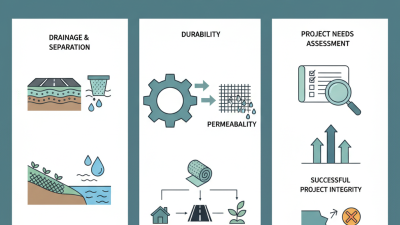
Geotech fabric plays a crucial role in modern construction projects. This material enhances stability and reduces erosion. One primary advantage is its ability to separate soil layers. This helps maintain soil integrity over time. The use of geotech fabric can also improve drainage. When applied correctly, it allows water to flow while filtering particles. This reduces the risk of clogging.
Another significant benefit is its durability. Geotech fabric withstands various environmental conditions. It can resist tears and withstand harsh weather. This longevity leads to lower maintenance costs over time. Additionally, the lightweight nature of geotech fabric simplifies installation. It is easy to handle, which reduces labor time on-site. However, improper installation can lead to issues. Ensuring the fabric is laid out correctly is essential for optimal performance.
Cost-effectiveness is another advantage. While initial costs may vary, the long-term savings are notable. Reduced erosion and improved site stability can minimize future expenses. Projects using geotech fabric often show increased longevity. Yet, it is important to select the right type for each specific need. Choosing the wrong fabric might negate its benefits. Proper planning is essential for leveraging these advantages effectively.
Enhancing Soil Stability with Geotech Fabric Solutions
Geotech fabric is a vital component in many
construction and landscaping projects. It plays a crucial role in enhancing soil stability, which is essential for ensuring the
durability of structures. This fabric helps manage soil erosion and increases
load-bearing capacity. It acts as a barrier, preventing intermixed soil layers while allowing water drainage. This dual functionality
makes it a practical choice for various applications.
Utilizing geotech fabric can lead to significant improvements in project outcomes. For instance, in road construction, it
reinforces the subsoil, reducing the risk of settling. In landscaping, it helps maintain the integrity of the soil while promoting
proper drainage. However, it's important to consider that not all projects may require it. Some applications may benefit from other
materials or methods. Assessing the specific needs is key to achieving optimal stability.
While the advantages are clear, it’s essential to reflect on potential challenges. The installation process can be complicated
and may require skilled labor. Additionally, if improperly laid, the fabric can become ineffective. Project managers must ensure
proper training and installation methods. Balancing these factors will enhance the overall effectiveness of geotech fabric in
stabilizing soil.
Environmental Benefits of Geotech Fabric in Civil Engineering
Geotech fabric plays a significant role in civil engineering, especially when it comes to environmental benefits. This versatile material helps in soil stabilization, reducing erosion, and enhancing drainage. With the increasing emphasis on sustainable practices, geotech fabric has emerged as a reliable solution. It allows for proper water management, minimizing runoff and maintaining soil integrity. Using geotech fabric can lead to healthier ecosystems in construction zones.
When planning a project, consider the lifecycle impact of materials. Choosing geotech fabric not only aids in project durability but also promotes environmental sustainability. This fabric can be manufactured from recycled materials, reducing waste and promoting the circular economy. It’s essential to assess the condition of the site before implementation; improper use can have negative consequences.
For better results, ensure that the fabric is correctly installed. Proper placement will maximize its benefits and minimize potential issues. Monitor the fabric’s condition post-installation to address any early signs of failure. Pay attention to local regulations, as they may dictate specific environmental considerations. Engaging with local experts can also enhance the effectiveness of your project.
Top 10 Benefits of Geotech Fabric for Your Project Needs
Geotech fabric provides numerous benefits in civil engineering projects, contributing to advancements in sustainability and efficiency. Each benefit has been rated based on its impact and effectiveness in practical applications.
Cost-Effectiveness and Longevity of Geotech Fabric in Projects
Geotechnical fabric, commonly known as geotech fabric, plays a crucial role in modern construction. Its cost-effectiveness is backed by various industry studies. According to a report by the Geosynthetic Materials Association, using geotech fabric can reduce overall project costs by up to 30%. This significant reduction often comes from decreased material usage and less labor time.
Longevity is another standout feature of geotech fabric. Its durability often extends the lifespan of projects, making it a preferred choice in harsh environments. Studies show that geotech fabrics can withstand extreme weather, UV exposure, and heavy loads. A report from the Transportation Research Board indicated that roads reinforced with geotech fabric had a service life increase of 50%. However, challenges remain, such as improper installation, which can reduce effectiveness.
Project managers must consider these factors when choosing materials. While geotech fabric is beneficial, selecting the right type and ensuring it is installed correctly are critical. Misestimating these needs can lead to project setbacks. The longevity of geotech fabric hinges on its proper application in each unique situation.
Top 10 Benefits of Geotech Fabric for Your Project Needs
| Benefit |
Description |
Cost-Effectiveness Rating |
Longevity Rating |
| Soil Stabilization |
Geotech fabric helps in stabilizing soil, preventing erosion and improving foundation integrity. |
High |
Long-term |
| Erosion Control |
Minimizes soil erosion on slopes and riverbanks. |
High |
Long-term |
| Water Filtration |
Allows water to pass through while retaining soil particles. |
Medium |
Long-term |
| Cost Reduction |
Reduces the need for excavation and material usage, lowering project costs. |
High |
N/A |
| Load Distribution |
Distributes weight evenly, enhancing structural stability. |
Medium |
Long-term |
| Plant Growth Support |
Provides a stable medium for vegetation growth. |
Medium |
Long-term |
| Hydroponic Setup |
Ideal for soil-less gardening and agriculture. |
High |
Long-term |
| Wind and Dust Control |
Acts as a barrier against wind and dust, especially in arid areas. |
Medium |
N/A |
| Versatility |
Can be used in various applications from landscaping to construction. |
High |
Long-term |
| Environmental Benefits |
Promotes sustainable practices by reducing the need for chemicals. |
Medium |
Long-term |