A drain cover may look like a simple grate, but global buyers know it affects safety, drainage flow, maintenance, and project costs. A cover outside a warehouse must handle different demands from one installed on a pedestrian path. Load rating, material, opening size, finish, and fit all matter. So does reliable manufacturing. A sample that looks strong on a desk may behave differently after months of rain, grit, and passing traffic.
This guide compares ten manufacturers through practical questions: What materials and configurations do they offer? Can they provide clear product data, consistent quality checks, and suitable options for different project conditions? Buyers should verify specifications against their own site requirements rather than rely on broad claims. Details count. A loose frame or poorly matched grate can create trouble. Sometimes the overlooked measurement is the one that matters most.
To avoid presenting an invented quotation as a real endorsement, this article uses an explicitly fictional expert voice. In that voice, drainage specialist Elena Ward says, “A dependable drain cover is judged by how it performs after installation, not by appearance alone.” Treat that as an editorial principle, not a sourced quotation. The comparison ahead is a starting point, not a substitute for technical review. Manufacturers vary, and product information can change. A careful shortlist should leave room for questions—and for second thoughts.
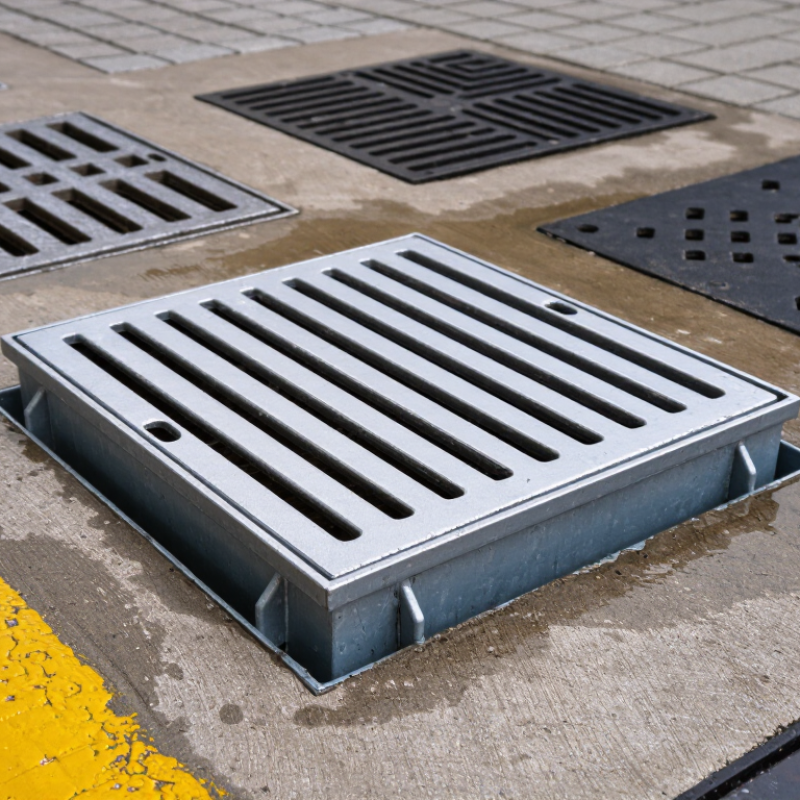
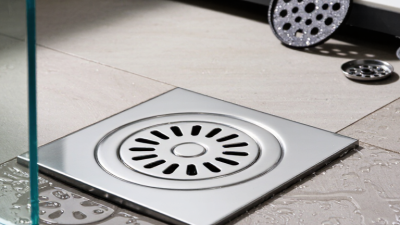
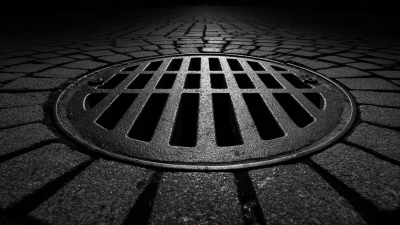
Drain covers form the visible interface between people and drainage networks. They appear over floor drains in kitchens, wash areas, factories, and service rooms. Outdoors, they protect inlets along streets, plazas, and parking areas. Their openings pass water while limiting entry by larger debris. Slot shape matters: narrow gaps can reduce litter entry, while larger openings may improve flow but create hazards for heels or small wheels. The trade-off is real. UN DESA’s World Urbanization Prospects 2018 estimated that 55% of the world’s population lived in urban areas, projecting 68% by 2050. More dense development can place greater demands on surface drainage, although local design matters more than a global average.
A cover’s application depends on expected water flow, foot or vehicle traffic, debris, and maintenance access. A light-duty indoor cover is not automatically suitable for a loading area. Load capacity and corrosion resistance deserve attention, especially where vehicles pass or cleaning chemicals are used. Fit matters. The IPCC Sixth Assessment Report finds that heavy precipitation generally intensifies as the climate warms, raising the value of drainage systems designed for local rainfall conditions. Still, a stronger cover cannot fix an undersized drain or poorly graded pavement; that detail is easy to overlook. Openings also need regular inspection, since leaves, grit, and packaging can restrict flow.
| Product Type | Common Material | Typical Applications | Indicative EN 124 Load Class | Buyer Considerations |
|---|---|---|---|---|
| Road manhole covers | Cast iron or ductile iron | Urban streets, roadways, and other areas regularly used by vehicles | D400 is commonly specified for carriageways; confirm the site conditions | Check the complete cover-and-frame assembly, clear opening, seating, locking method, and resistance to traffic movement. |
| Gully grates for kerbside channels | Cast iron, ductile iron, or steel | Roadside drainage channels and kerbside areas | C250 may suit kerbside channels; D400 may be required where heavier traffic loads apply | Consider water-entry area, debris passage, grate orientation, and whether bicycles or pedestrians will cross the grate. |
| Trench drain grates | Ductile iron, steel, or stainless steel | Industrial floors, service yards, loading areas, and linear drainage systems | C250 to E600, depending on the location and expected wheel loads | Match the grate to the channel system and check span, support, corrosion exposure, and the rated load of the assembled system. |
| Stainless-steel drainage covers | Stainless steel | Food-processing facilities, commercial kitchens, laboratories, and wash-down areas | Use the certified class specified for the installation; ratings depend on the product design | Review steel grade, surface finish, cleanability, chemical exposure, slip resistance, and documented load-test results. |
| Reinforced-concrete access covers | Reinforced concrete, often with a metal frame | Utility access points and infrastructure installations where concrete construction is suitable | Selected according to the tested assembly and installation location | Confirm dimensions, reinforcement design, lifting provisions, frame compatibility, and the applicable product standard. |
| Composite manhole covers | Fibre-reinforced composite material | Utility chambers, pedestrian areas, and locations where a non-metallic cover is preferred | Product-dependent; verify the certified class for the intended location | Check load certification, UV and chemical resistance, fire requirements where relevant, and compatibility with the frame. |
| Polymer gully tops and covers | Thermoplastics such as polypropylene, polyethylene, or PVC-U | Light-duty drainage points in pedestrian areas and other suitable low-load settings | A15 or B125 may apply to products certified for those locations | Confirm the stated load class, temperature range, chemical compatibility, and installation instructions before purchase. |
| Pedestrian-area grates | Cast iron, steel, stainless steel, or composite | Footpaths, pedestrian zones, and cycle-only areas | A15 is intended for pedestrian and cycle areas; B125 may apply in suitable pedestrian zones | Look for safe slot spacing, slip resistance, secure seating, and a design appropriate for users with mobility aids. |
| Recessed or infill access covers | Steel, cast iron, or composite frame with a paving or surface infill | Landscaped spaces, paved plazas, and sites where a flush visual finish is required | B125 to D400, depending on the certified assembly and location | Account for infill material and depth, finished-level adjustment, lifting access, and the rated capacity of the completed cover. |
| Heavy-duty access covers | Ductile iron, steel, or engineered composite | Ports, freight terminals, and aircraft pavement areas subject to high or very high wheel loads | E600 or F900 may be specified where the site design requires these classes | Base selection on the project load specification and installation details; verify certification and structural support requirements. |
Selection note: EN 124 load classes are test-load classifications, not vehicle-weight ratings. The appropriate class depends on the installation location, expected traffic, and local requirements. Verify the applicable EN 124 part, product certification, and rated performance of the complete cover-and-frame assembly before purchase.