Choosing the right drain cover in 2026 requires more than matching a bathroom tile. It demands attention to water flow, load capacity, hygiene, maintenance, and long-term durability. A polished stainless-steel drain cover may look ideal in a showroom, yet a poorly sized outlet can leave water pooling around your feet. That small mistake can encourage odors, staining, and surface damage.
Tile and waterproofing expert John Bridge has repeatedly emphasized a basic installation principle: “The shower floor must slope toward the drain.” His point remains practical. A drain cover cannot compensate for incorrect floor grading, weak waterproofing, or an undersized drainage channel. The whole system matters.
Start with the location. A balcony drain faces rain, dirt, and temperature changes. A shower drain handles soap, hair, and frequent cleaning. A garage drain may need stronger load resistance and a wider opening. Measure the outlet carefully. Check the frame depth, grate dimensions, pipe connection, and available flow rate. Do not rely on appearance alone.
Material choices also deserve scrutiny. Stainless steel resists corrosion and suits modern interiors. Cast iron offers strength, but it may require protective finishing. Plastic can reduce cost, although quality varies greatly. Anti-slip textures improve safety when the surface is wet. Removable inserts make cleaning easier.
There is no perfect drain cover for every project. I have seen attractive covers fail because maintenance was ignored. That is the uncomfortable lesson. Choose performance first, then appearance, and inspect the complete drainage system before purchase.
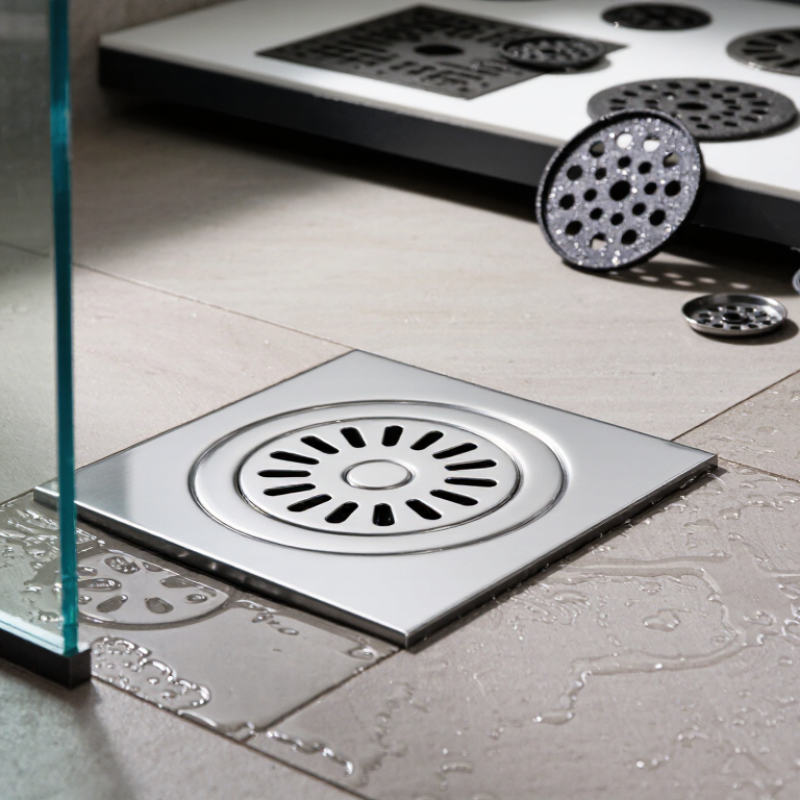
A drain cover is more than a flat surface over a pipe. It controls safety, water flow, debris entry, and maintenance access. Grated covers suit driveways, patios, and other areas with frequent rain. Solid covers work better where surface water needs directing toward a side channel. Linear trench covers collect water across wide entrances. Point drains handle water around showers, balconies, and small courtyards.
Material affects service life. Ductile iron supports heavy vehicle loads, while stainless steel resists rust in damp or coastal conditions. Galvanized steel can be practical, but damaged coatings may expose the metal. Polymer covers are lightweight and easier to handle, though they need careful load matching.
I once chose a cover mainly for its appearance. That decision was not perfect. The frame shifted slightly after repeated traffic.
Shape must fit the drainage function. Square covers are convenient for compact floor drains. Round covers reduce corner debris and fit circular openings naturally. Narrow rectangular designs suit trench channels and improve water collection near doors.
Check the clear opening, frame depth, flow capacity, and expected load before buying. A cover with tiny slots may block quickly under autumn leaves. Wider openings can drain faster but may allow stones inside. Keep maintenance realistic. A removable cover, secure seating, and smooth edges make cleaning safer and less frustrating.

Site conditions should guide every drain-cover decision. Inspect soil, slope, standing water, nearby trees, and maintenance access. A pedestrian plaza needs different protection than a loading yard. FHWA’s HEC-22 Urban Drainage Design Manual recommends checking inlet capacity, bypass flow, and surface ponding during design storms. A cover can look strong yet restrict water entry when leaves collect underneath.
Water-flow estimates should use local rainfall-frequency data, not guesswork. NOAA Atlas 14 provides precipitation values for selected return periods, including the 1% annual-exceedance event, commonly called the 100-year storm. Use these figures with the catchment area, surface slope, and runoff coefficient. Do not rely on rainfall intensity alone. A small, steep paved area may discharge water faster than expected.
Load classification matters. EN 124-2:2015 lists test classes from A15 to F900. A15 represents 15 kN, while D400 represents 400 kN for heavier vehicular areas. Confirm traffic speed, wheel paths, braking forces, and installation depth. Field errors often begin with a cover chosen from appearance.
Tips: Measure the opening twice. Check clogging risk. Match the frame to the pavement. Follow local standards. Test drainage after installation. Reconsider the design if water ponds nearby.
Safety starts with the installation location, not the cover’s appearance. EN 124-2:2015 assigns load classes from A15 for pedestrian areas to D400 for roadways. A cover beside a driveway may need B125, while a truck route demands stronger protection. Check the frame seating carefully. Uneven support can create rocking, noise, and dangerous gaps. During site inspections, I look for stable edges, secure locking, and openings small enough to prevent heel or wheel entrapment. Small details matter.
Durability depends on traffic, impact, temperature, and drainage flow. Ductile iron handles heavy loads well, while polymer composites can reduce weight and simplify lifting. However, lighter does not always mean safer. The NACE IMPACT study estimated global corrosion costs at 2.5 trillion dollars annually, equal to 3.4% of global economic output. That figure makes corrosion resistance a practical cost issue. Galvanized steel, stainless steel, and coated iron offer different protection levels. Salt, standing water, and cleaning chemicals can shorten service life. Select materials after checking the actual exposure, not just the product specification.
Maintenance needs should be visible before purchase. Smooth surfaces remove sediment more easily. Hinged or lockable designs can reduce misplaced covers and unsafe handling. Inspect hinges, bolts, coatings, and frame contact points at least annually. More often near coastal roads. I once underestimated debris buildup around a narrow frame. The cover remained strong, but drainage performance dropped sharply. That mistake is worth remembering: strength alone does not guarantee reliable service.
How to Choose the Right Drain Cover in 2026?
A suitable drain cover starts with verified standards, not appearance. Check its load rating against the location, such as a driveway, warehouse, footpath, or public road. Confirm corrosion resistance, slip performance, drainage capacity, and test documentation. Local building rules may differ, so an engineer or qualified installer should review uncertain specifications. I once saw a lightweight cover installed near a delivery entrance. It bent within months. The mistake was obvious later.
Accessibility needs close attention. Choose a level, stable surface that will not catch wheelchair wheels, walking sticks, or narrow bicycle tires. Small openings matter. Look for clear edges, strong contrast where needed, and reliable slip resistance during rain. A cover that drains quickly but becomes dangerously slick is not a good solution.
Tips
Measure the opening twice. Ask for maintenance records. Check the certificate, not only the product description. Consider the whole life cycle, including cleaning, replacement, transport, and recycled material content. Durable construction can reduce waste, but recycled content alone does not prove sustainability.
Smart drain covers can include water-level sensors, tamper alerts, or maintenance notifications. These features help in flood-prone areas, yet batteries, connectivity, and calibration can fail. Keep manual inspection possible. Technology should support responsible maintenance, not replace it. My own preference is cautious: useful data is valuable, but a simple cover may remain more dependable in a quiet location.
Checking standards, accessibility features, sustainability, and smart options starts with selecting a cover whose certified load class matches the installation environment.
The chart shows the minimum test loads associated with EN 124 load classes. A15 is intended for areas used only by pedestrians and cyclists, while D400 is commonly specified for carriageways and hard shoulders. E600 and F900 are designed for higher-load industrial, port, and airport environments. The values are test-load classifications, not recommended working loads.
Prefer flush surfaces, slip-resistant finishes, manageable opening forces, secure locking, and clear visual contrast where pedestrian access is important.
Compare recycled content, product service life, repairability, corrosion resistance, and end-of-life recyclability rather than choosing by purchase price alone.
For critical infrastructure, consider tamper alerts, tilt or displacement sensing, water-level monitoring, and low-power remote connectivity.
How to Choose the Right Drain Cover in 2026?
Matching the Drain Cover to Your Budget, Property, and Long-Term Use
A suitable drain cover starts with the property, not the product price. A driveway needs a stronger load rating than a garden path. A bathroom needs a surface that resists moisture and remains easy to clean. Measure the opening carefully, including its depth and frame condition. A small error can create movement, noise, or unsafe edges.
Budget also affects the complete installation cost. A low-priced cover may require frequent cleaning, repainting, or replacement. In coastal areas, humid climates, and places with chemical exposure, corrosion resistance matters more than appearance. For vehicle areas, check the expected traffic and choose a cover rated for that use. Local drainage requirements should also be verified before installation.
From practical site work, I have found that maintenance access is often overlooked. A heavy cover may feel secure, but one person might struggle to lift it safely. Hinged designs, lifting points, and removable grates can reduce that problem. It is easy to over-specify. A premium load rating offers little value on a quiet patio. I once focused too much on strength and ignored cleaning access. That choice added unnecessary work later.
Think beyond today’s price. Check the frame, drainage flow, surface finish, and replacement availability. Ask how often debris will collect around the opening. A cover that matches the property, budget, and maintenance routine usually performs better over many seasons.
| Drain Cover Type | Typical Material | Typical Price Range (USD, cover only) |
Suitable Property Areas | Common Load Class | Expected Service Life* | Maintenance Level | Best Long-Term Use |
|---|---|---|---|---|---|---|---|
| Light-Duty Plastic | Polypropylene or PVC | $5–$25 | Indoor bathrooms, utility rooms, low-traffic patios | Pedestrian traffic only | 5–15 years | Low | Low-cost replacement and basic residential drainage |
| Stainless Steel | Stainless steel | $20–$100 | Bathrooms, kitchens, balconies, pool surrounds | Pedestrian traffic; selected products support light vehicles | 15–30 years | Low | Corrosion-resistant installations with a clean appearance |
| Cast Iron | Cast iron with protective coating | $30–$150 | Driveways, service yards, commercial walkways | Pedestrian to heavy vehicle traffic, depending on certification | 30–75 years | Medium | High-impact areas where strength and stability matter |
| Ductile Iron | Ductile iron with protective coating | $45–$220 | Roads, parking areas, loading zones, industrial sites | Medium to heavy vehicle traffic | 40–100 years | Medium | Long-term public, commercial, and industrial drainage |
| Galvanized Steel | Hot-dip galvanized steel | $25–$120 | Courtyards, workshops, parking areas, light industrial sites | Pedestrian to medium vehicle traffic, depending on design | 15–40 years | Medium | A practical balance between strength, cost, and availability |
| Aluminum | Aluminum alloy | $35–$160 | Balconies, terraces, pedestrian zones, marine environments | Pedestrian traffic to light duty | 15–30 years | Low | Lightweight installations where corrosion resistance is important |
| Linear Channel Grate | Stainless steel, galvanized steel, or polymer concrete | $40–$250+ | Showers, wet rooms, balconies, patios, commercial kitchens | Pedestrian to commercial traffic, depending on grate rating | 15–40 years | Medium | High-volume surface drainage and accessible cleaning |