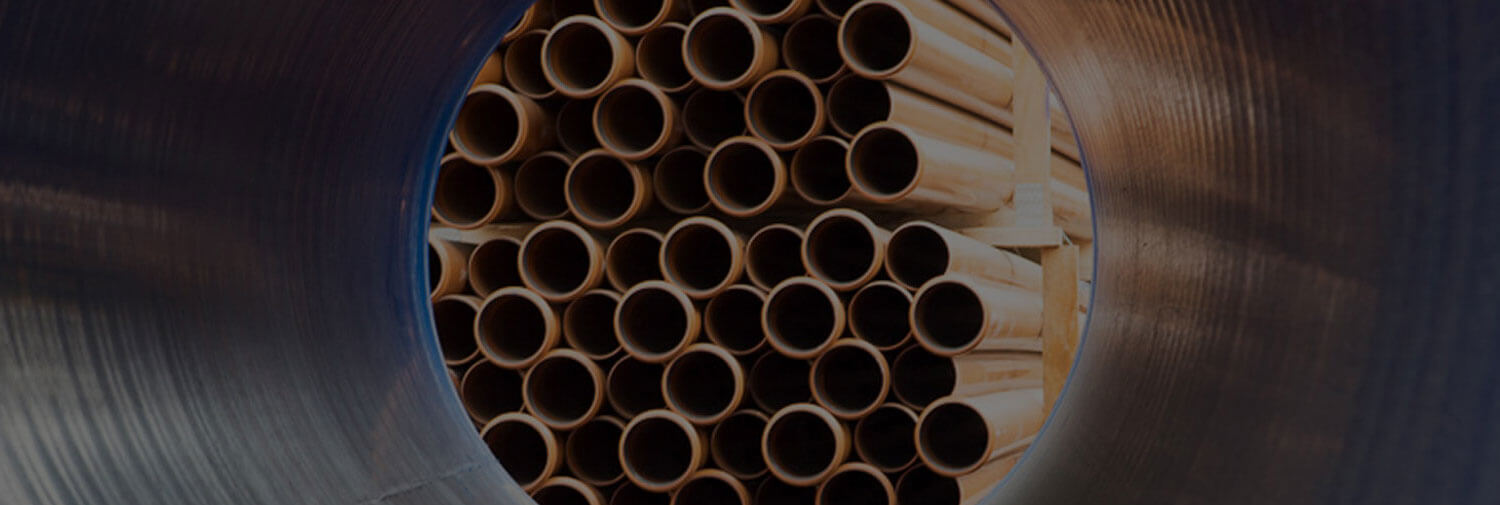
A 63mm mdpe pipe is commonly used for dependable water distribution, service connections, and small-to-medium utility networks. Its outside diameter provides a practical balance between flow capacity, flexibility, and installation effort. Contractors may use it beneath roads, around housing developments, or across farmland. The pipe can also serve potable water systems when it carries the correct certification and meets local requirements.
Demand for reliable distribution infrastructure remains substantial. The U.S. Environmental Protection Agency’s 2023 Drinking Water Infrastructure Needs Survey and Assessment estimates that the country needs approximately $625 billion for drinking water improvements over the next 20 years. The United Nations World Water Development Report 2023 also identifies water security and resilient infrastructure as continuing global priorities. These findings explain why engineers increasingly examine durable polyethylene systems, rather than focusing only on initial purchase cost.
MDPE offers useful flexibility during trench installation. A long coil can reduce joint numbers and simplify routing around existing services. Its smooth internal surface may also support efficient water movement and reduce corrosion concerns. However, diameter alone does not determine suitability. Pressure rating, SDR classification, temperature, ground conditions, and approved fittings must be checked carefully. That assumption is too simple.
A 63mm mdpe pipe may be unsuitable for high-demand mains or certain gas applications without project-specific approval. Installers should verify national standards, manufacturer data, fusion procedures, and testing requirements before work begins. In practice, a sound choice depends on the complete system, not merely the pipe size. This article examines the main applications, advantages, limitations, and selection factors behind 63mm MDPE pipe.
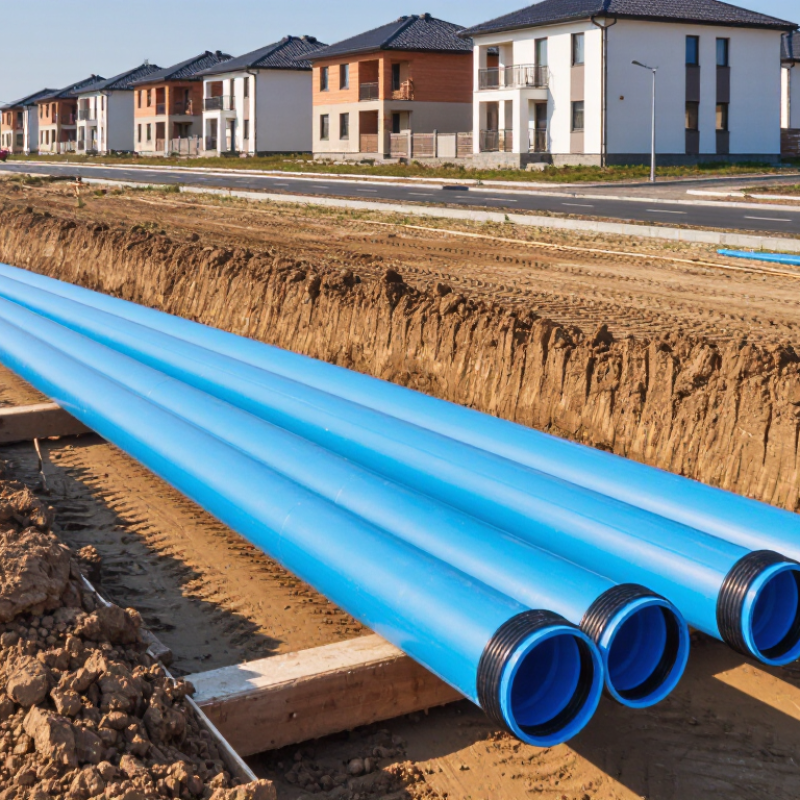
63mm MDPE pipe is a medium-density polyethylene pipe with a nominal outside diameter of 63 millimetres. It is flexible, lightweight, and resistant to corrosion. Its internal diameter changes with the pipe’s wall thickness and pressure classification. That detail matters. A 63mm pipe made for higher pressure may carry less water than a thinner-walled version.
Manufacturers commonly supply this pipe for underground cold-water services, irrigation lines, and private water connections. It can serve farms, gardens, small commercial sites, and residential properties. Its smooth internal surface helps reduce friction and limits deposits during normal operation. Long coils also reduce the number of underground joints. Fewer joints can mean fewer potential leak points.
Installation still requires care. The trench should provide stable, even support, without sharp stones pressing against the pipe. Approved compression or electrofusion fittings must match the pipe specification. Installers should confirm the outside diameter, SDR rating, pressure class, and local water regulations before ordering. A quick visual check is not enough. Incorrect fittings may leak after backfilling, even when the pipe looks undamaged. The pipe should also be pressure-tested before the trench is permanently closed. In practice, 63mm MDPE is useful because it balances flow capacity with manageable handling, but it is not automatically suitable for every system. Calculated demand, operating pressure, temperature, and installation conditions still need professional review.
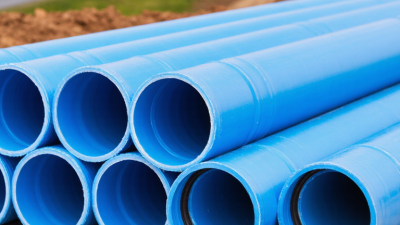
63mm MDPE pipe is commonly used for underground water services, irrigation branches, and low-pressure utility connections. Its medium-density polyethylene structure offers flexibility, corrosion resistance, and reliable performance in damp ground. The 63mm measurement normally refers to the outside diameter, while the internal bore depends on the selected pressure class and wall thickness. Correct sizing matters.
Manufacturers begin with certified polyethylene resin selected for strength, flexibility, and long-term water contact. The resin is heated and pushed through a carefully shaped die. Vacuum sizing forms the pipe’s accurate outside diameter. Cooling tanks then stabilise the softened material. Haul-off equipment controls speed and helps maintain consistent wall thickness.
Production teams check diameter, ovality, surface finish, and pressure performance during manufacture. Pipe markings usually identify size, material grade, pressure rating, and production information. These details support traceability on site. Still, the process is not perfect. Temperature changes, worn tooling, or uneven cooling can create small defects, so sampling and testing remain essential. Installation conditions can expose weaknesses that factory checks miss.
Tips: Confirm the pressure rating before ordering. Keep pipe ends capped and clean. Avoid sharp bends, deep scratches, and prolonged sunlight exposure. Use approved joining methods and inspect every fusion area carefully. A neat installation often prevents expensive repairs.
What Is 63mm MDPE Pipe Used For?
63mm MDPE pipe is commonly used for underground water distribution. Its size suits many domestic, agricultural, and light commercial systems. Contractors often install it as a main service line between a meter, storage tank, or private water source. It can also feed several buildings across a small site. The pipe’s flexibility helps it follow gentle ground changes with fewer joints. That reduces potential leak points during installation. However, 63mm refers to the outside diameter, not the available internal flow space. Wall thickness and pressure class affect actual performance.
Common applications include garden irrigation, livestock water supplies, rural properties, and construction-site water lines. It may carry potable water when the pipe and fittings meet the required local standards. Some installers also use it for larger outdoor taps and low-demand commercial outlets. In my experience, poor trench preparation causes more trouble than the pipe itself. Sharp stones can create stress beneath the wall. Uneven backfill can also shift connections over time.
Tips: Check the pressure rating, internal diameter, and fitting compatibility before buying. Confirm local installation requirements for drinking water systems. Keep the pipe supported during connection work. Allow gentle bends instead of forcing tight corners. A pressure test before backfilling is wise. Do not assume a larger pipe always solves low pressure; long runs, elevation, and pump capacity may matter more.
| Application | Typical Use | Why 63mm MDPE Is Suitable | Important Installation Considerations |
|---|---|---|---|
| Potable Water Service Connections | Supplying drinking water from a distribution main to a building, property, or small development. | Polyethylene is corrosion-resistant, flexible, and suitable for buried water-service applications when the pipe has the required potable-water approval. | Use pipe rated for potable water and match the pressure class, fittings, electrofusion or mechanical joints, and local utility requirements. |
| Rural and Agricultural Water Supply | Moving water between wells, storage tanks, pump stations, livestock areas, and farm buildings. | The pipe is lightweight compared with many rigid alternatives and can accommodate gradual changes in route with fewer joints. | Check pump pressure, surge conditions, burial depth, soil conditions, and protection against mechanical damage. |
| Irrigation Systems | Feeding sprinkler lines, drip-irrigation zones, greenhouses, parks, sports grounds, and landscaped areas. | The 63 mm outside diameter provides a practical branch or distribution size for moderate water flows while retaining polyethylene’s flexibility. | Select the internal diameter and pressure rating according to flow rate, pipe length, elevation change, friction loss, and operating pressure. |
| Private Fire-Water and Sprinkler Supply | Underground supply pipework for approved private fire-water systems or sprinkler installations. | Its flexibility and resistance to soil corrosion can be beneficial for buried sections of a system. | Only use products and designs permitted by the applicable fire-protection standard; verify flow, pressure, access, and connection requirements. |
| Industrial Process-Water Lines | Transporting compatible non-potable water for washing, cooling, dust suppression, or general plant services. | MDPE offers good resistance to corrosion and many aqueous environments, subject to chemical compatibility. | Confirm chemical compatibility, temperature limits, pressure rating, and whether the conveyed fluid requires a special polyethylene grade. |
| Drainage and Wastewater Transfer | Low-pressure pumped transfer of wastewater or drainage flows where the pipe specification is approved for the service. | A smooth internal bore can help reduce resistance, while welded joints can provide a continuous, leak-resistant pipeline. | Do not assume a water-service pipe is suitable for wastewater; check the applicable standard, effluent chemistry, pressure, and access for maintenance. |
| Natural Gas Distribution | Underground gas-service or distribution networks where an approved gas-grade polyethylene pipe is specified. | Polyethylene gas pipe is lightweight, corrosion-resistant, and commonly joined using approved fusion techniques. | Use only gas-rated pipe and fittings installed by qualified personnel under the relevant gas regulations; water-grade MDPE must not be substituted. |
| Cable and Utility Ducting | Protecting or routing communication, control, and selected power cables in underground utility corridors. | The pipe can provide a continuous route with good resistance to soil moisture and corrosion. | Use a duct product with suitable crush resistance, draw-rope provisions, bend radius, marker tape, and compliance with the cable-system design. |
Specification note: “63 mm” normally refers to the nominal outside diameter. The internal diameter varies with the pipe’s wall thickness and SDR or pressure class. Always select the pipe grade, color identification, pressure rating, fittings, and installation method for the specific service and local regulations.
What Is 63mm MDPE Pipe Used For?
63mm MDPE pipe is commonly used for water services, irrigation systems, and small distribution networks. Its 63mm outside diameter suits many residential and light commercial installations. The pipe is flexible enough to follow gentle ground contours, reducing the need for multiple fittings. It also resists corrosion, scale buildup, and many common soil chemicals. That matters where traditional metal pipes may deteriorate.
Its smooth internal surface supports efficient flow with relatively low friction losses. The material is lightweight, so workers can handle long coils with less lifting equipment. Properly joined connections can provide reliable, leak-resistant performance. However, performance depends on pressure rating, wall thickness, temperature, and installation quality. A pipe buried too shallowly may suffer damage from traffic or freezing conditions. It is not perfect.
Tips: Check the approved pressure class before installation. Confirm the required standard for drinking water or irrigation use. Keep pipe ends clean before joining. Avoid sharp bends, dragging, or prolonged direct sunlight. A simple inspection can prevent expensive repairs.
In practical installations, careful bedding is important. Remove sharp stones and support the pipe evenly. Allow suitable expansion movement where temperatures change significantly. Some installers underestimate this detail. That can create stress at fittings over time. Always follow current engineering guidance and the pipe’s technical data. Supplier claims should be checked against test certificates, project conditions, and local requirements.
A 63mm MDPE pipe has a nominal outside diameter of 63mm and is commonly used for potable-water services, irrigation systems, low-pressure utility networks, and protected gas applications where permitted by local regulations. The chart compares calculated wall thicknesses for common SDR configurations. Wall thickness is calculated as outside diameter divided by SDR.
MDPE and PE100 pipes provide corrosion resistance, low weight, flexibility, and welded or mechanical jointing options. Actual pressure ratings depend on the polyethylene grade, SDR, operating temperature, installation conditions, and applicable standards.
A 63mm MDPE pipe is commonly used for water service lines, irrigation networks, small distribution mains, and approved low-pressure gas applications. The “63mm” refers to its outside diameter, not its flow capacity or pressure rating. Wall thickness depends on the SDR classification. The Plastics Pipe Institute’s Handbook of Polyethylene Pipe reports that properly designed polyethylene systems can provide service lives exceeding 50 years. However, soil movement, temperature, fittings, and installation quality still matter. It flexes well.
Installation starts with selecting the correct SDR, pressure class, and fluid compatibility. A 63mm pipe may be joined by mechanical fittings, electrofusion, or butt fusion, depending on site conditions and local requirements. Pipe ends should remain clean and capped before joining. Trenches need stable bedding, careful backfilling, and protection from sharp stones. For buried water systems, pressure testing should follow the applicable design standard, such as ISO 4427 or AWWA M55. Gas installations require approved materials and qualified personnel.
Maintenance is usually limited, but not absent. Operators should record pressure readings, inspect accessible joints, and check for wet ground, unusual flow loss, or surface settlement. The U.S. EPA’s water-loss control guidance identifies pressure management and systematic leakage monitoring as important network practices. A common field mistake is assuming polyethylene cannot fail. It can. I would also avoid choosing 63mm solely from an existing connection size; a hydraulic calculation should consider demand, pipe length, elevation, temperature, and future expansion.