Why Understanding Underground Pipe Systems is Crucial for Effective Infrastructure Management
Understanding underground pipe systems is essential for effective infrastructure management, particularly as urban environments expand and age. With approximately 70% of the United States' water distribution pipelines made from materials that are susceptible to corrosion, the integrity of underground pipes is paramount. A report by the American Society of Civil Engineers (ASCE) highlighted that investing in infrastructure could save the country nearly $4 trillion by 2025 due to decreased maintenance costs and improved service delivery. This underlines the pressing need for thorough knowledge and management of underground pipe systems.
Moreover, as the global population is projected to reach nearly 10 billion by 2050, the demand for robust infrastructure to support utilities will escalate. Efficiently managing underground pipe systems can significantly enhance water quality, reduce leakage rates, and minimize disruptions caused by pipe failures. According to the National Association of Clean Water Agencies (NACWA), every $1 invested in effective water and sewer infrastructure leads to an economic return of nearly $7. Therefore, understanding the intricacies of underground pipe networks is not just a technical consideration but a crucial investment in sustainable urban planning and development, ensuring that cities remain resilient in the face of growing challenges.
Importance of Accurate Mapping and Inventory of Underground Pipe Systems
Accurate mapping and inventory of underground pipe systems is vital for effective infrastructure management. These underground networks, which often include water, sewage, gas, and electrical conduits, can significantly impact urban planning and public safety. By maintaining precise records of these systems, municipalities can prevent costly disruptions during maintenance or development projects. Without accurate data, construction works may inadvertently damage these vital infrastructures, leading to service outages, environmental hazards, or even legal liabilities.
Furthermore, understanding the layout of underground pipe systems enhances the response to emergencies. If a leak or burst occurs, having an accurate inventory allows for quicker isolation of affected areas. This responsiveness minimizes damage and health risks to the community. Additionally, continuous advancements in technology, such as 3D mapping and GIS tools, enable more detailed and accessible representations of these systems. Thus, investing in accurate mapping is not only crucial for current operational efficiency but also for future-proofing urban infrastructure against increasing demands and potential environmental challenges.
Impact of Aging Infrastructure on Urban Water and Wastewater Management
As urban centers continue to grow, the importance of understanding underground pipe systems becomes increasingly vital, especially in the context of aging infrastructure. Recent incidents in California highlight how deteriorating water distribution frameworks, some dating back to the 19th century, pose significant risks to public health and safety. The state water project, which oversees an extensive network of canals and pipelines supplying water to millions, showcases the pressing need for effective management strategies to address these vulnerabilities and ensure reliable water access.
Moreover, local authorities are grappling with the financial implications of maintaining and upgrading these essential systems. Cities like Santa Monica and Murray have recently approved water rate hikes specifically aimed at funding rehabilitation efforts for aging water infrastructure. This underscores the urgent need for comprehensive planning and investment to secure water reliability and conservation amidst mounting challenges. Emphasizing innovative solutions and smart infrastructure concepts is crucial for fostering sustainable urban water management, particularly in regions confronting water crises exacerbated by environmental factors such as droughts and wildfires.
Technological Advances in Monitoring and Maintenance of Underground Systems
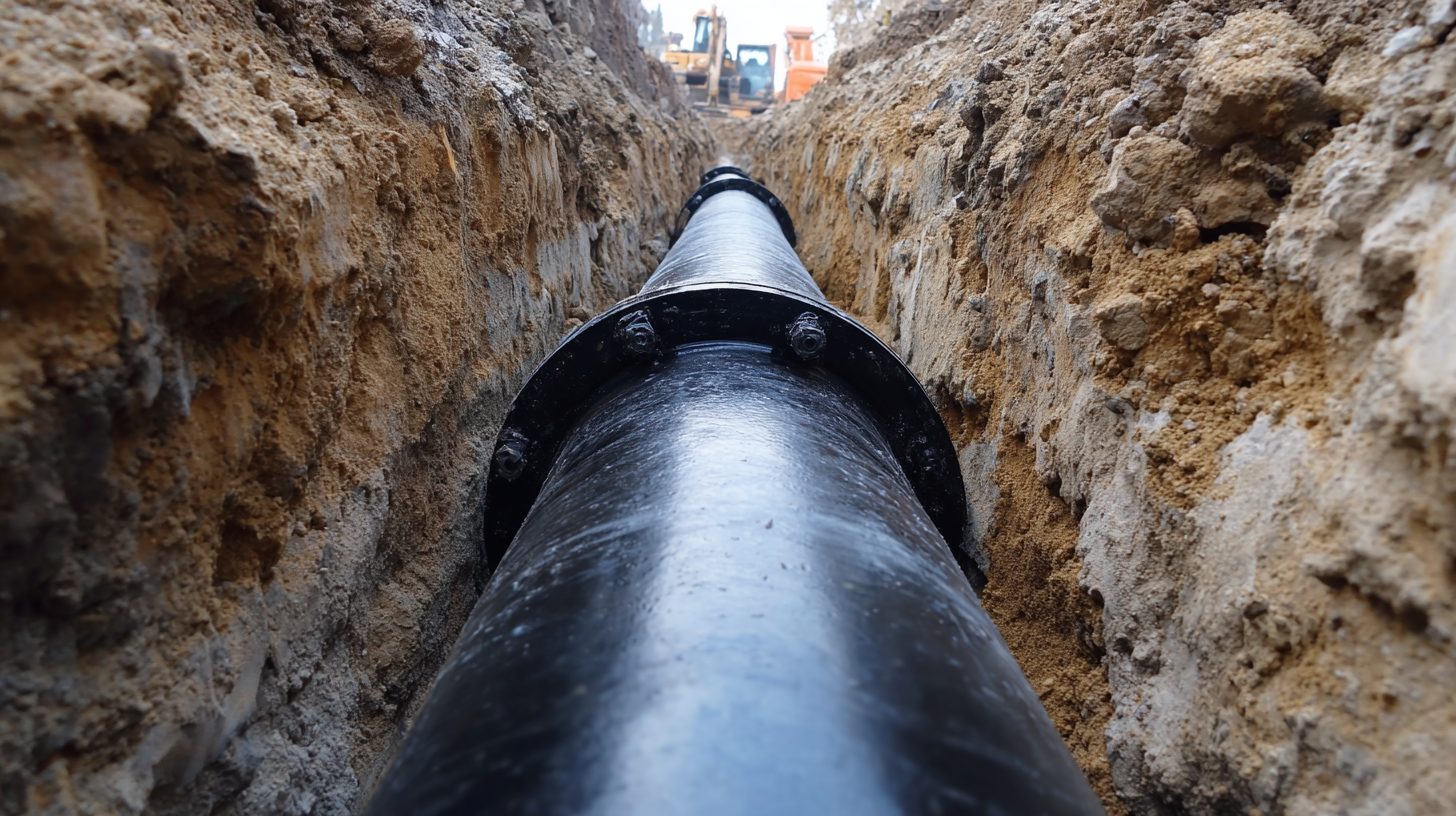
The effective management of underground pipe systems is significantly enhanced by recent technological advances in monitoring and maintenance. With the global market for smart water management technology projected to reach $20 billion by 2025, the integration of IoT (Internet of Things) solutions is transforming how we oversee these essential infrastructures. IoT sensors can continuously monitor the conditions of pipes, providing real-time data on fluid dynamics, pressure levels, and potential leakage. According to a report from the American Society of Civil Engineers, up to 30% of water is lost in some aging systems due to leaks, making timely detection and maintenance crucial for resource conservation.
Moreover, advancements in data analytics and machine learning are enabling predictive maintenance strategies that were previously unimaginable. By analyzing historical data and current conditions, utility companies can forecast potential failures before they occur, thus minimizing downtime and repair costs. A study by the Association of Metropolitan Water Agencies shows that implementing predictive maintenance can reduce infrastructure repair costs by up to 25%. As municipalities increasingly adopt these technologies, the potential for enhanced operational efficiency and cost savings becomes evident, highlighting the critical need to understand and invest in the management of underground pipe systems.
Integration of Underground Pipe Data in Urban Planning and Development
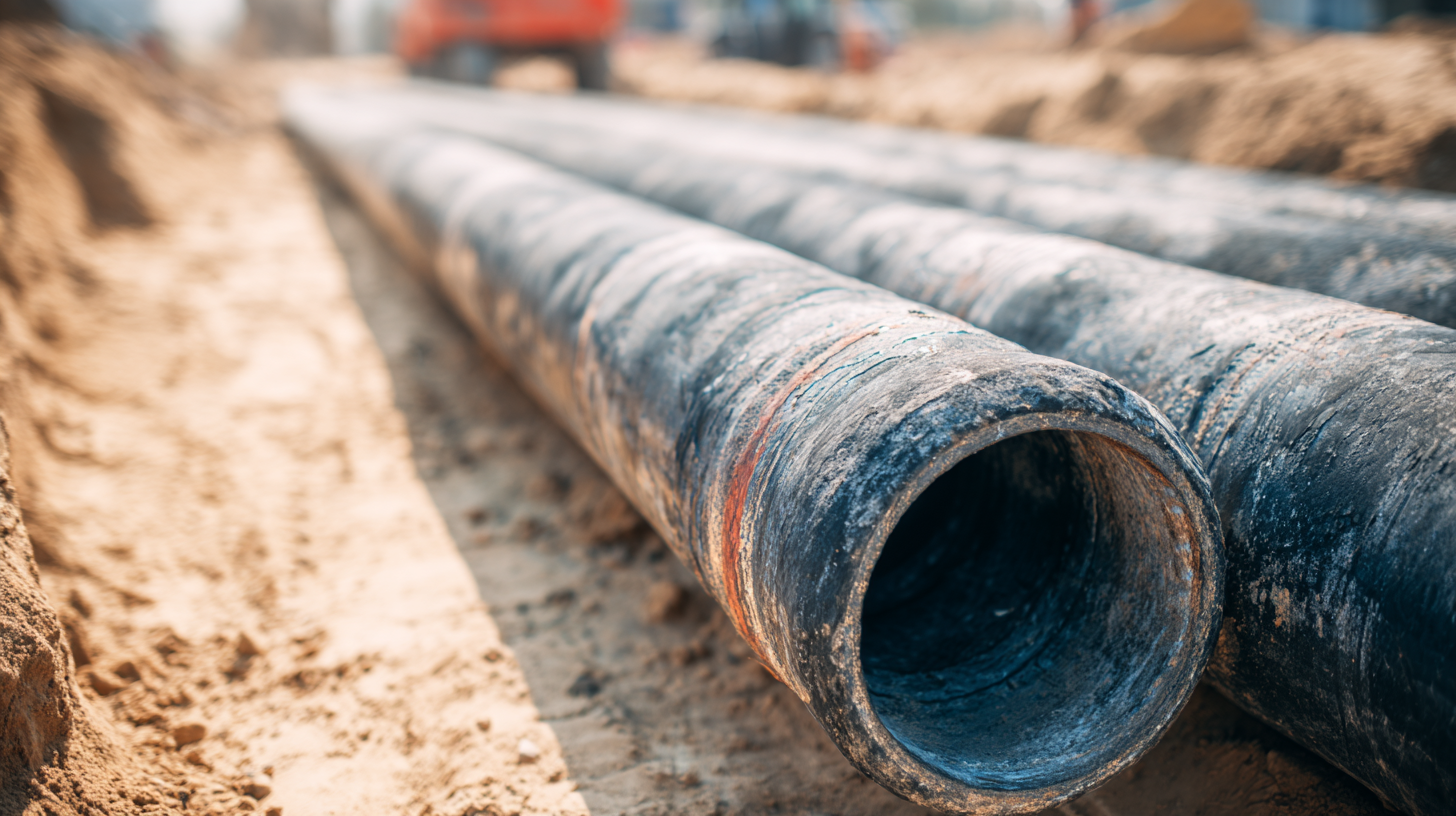
The integration of underground pipe data into urban planning and development
is essential for creating resilient and efficient infrastructure. As cities continue to expand, understanding the layout and condition of underground pipe systems becomes increasingly important. Accurate mapping and database management of existing pipelines allow planners and engineers to make informed decisions about future developments. This prevents costly disruptions and enhances the longevity of urban infrastructure by anticipating maintenance needs and repair schedules.
Incorporating advanced technologies, such as GIS (Geographic Information Systems), can provide detailed insights into underground utilities. These systems can highlight potential conflicts with new construction projects, enabling developers to minimize delays and avoid unexpected expenses. Furthermore, effective integration of this data can improve resource allocation, ensuring that water and sewage systems operate effectively while supporting sustainable urban growth.
By prioritizing the integration of underground pipe information into urban planning processes
, cities can enhance their infrastructure management strategies and foster more sustainable urban environments.
Strategies for Enhancing Public Awareness and Safety Regarding Underground Utilities
Public awareness regarding underground utilities is vital for promoting safety and effective infrastructure management. Many residents are unaware of the extensive networks of pipes and cables that exist beneath their feet, which can lead to accidents during construction or landscaping projects. Educating the community about the types of underground utilities and their potential hazards can significantly reduce the risks associated with inadvertent damage to these systems. Outreach programs, workshops, and informational campaigns can help inform citizens about the importance of proper excavation practices and the significance of utility markers.
Moreover, enhancing public safety requires cooperation between utility companies and local governments. Implementing mandatory training programs for contractors and workers on the dangers and procedures related to underground utilities is essential. Additionally, developing user-friendly resources, such as mobile apps that provide information on underground infrastructure, can empower residents to take initiative and make informed decisions before engaging in ground-disturbing activities. By fostering a culture of awareness and responsibility, we can safeguard our communities and ensure the longevity of vital underground systems.
Understanding Underground Pipe Systems Impact on Infrastructure Management