What is an Underground Drainage Pipe? A Comprehensive Guide to Types and Uses
Underground drainage pipes play a crucial role in managing water flow and preventing flooding in both residential and commercial settings. According to the Environmental Protection Agency (EPA), stormwater runoff is one of the leading contributors to water pollution, making efficient drainage systems vital for environmental sustainability. With the increasing frequency of heavy rainfall due to climate change, the demand for effective underground drainage solutions is expected to rise significantly. A report from the Global Market Insights anticipates that the underground drainage systems market will experience substantial growth, driven by infrastructural developments and urbanization.
Understanding the various types and uses of underground drainage pipes is essential for homeowners, builders, and engineers alike. These pipes come in numerous materials and designs, tailored to meet specific drainage needs, from handling excess surface water to managing wastewater. The National Association of Home Builders (NAHB) emphasizes the importance of proper installation and maintenance of these systems to ensure their longevity and effectiveness. In this comprehensive guide, we will explore the top five types of underground drainage pipes, their applications, and best practices for utilization, providing invaluable insights into optimal water management solutions.
Understanding Underground Drainage Pipes: Definition and Function
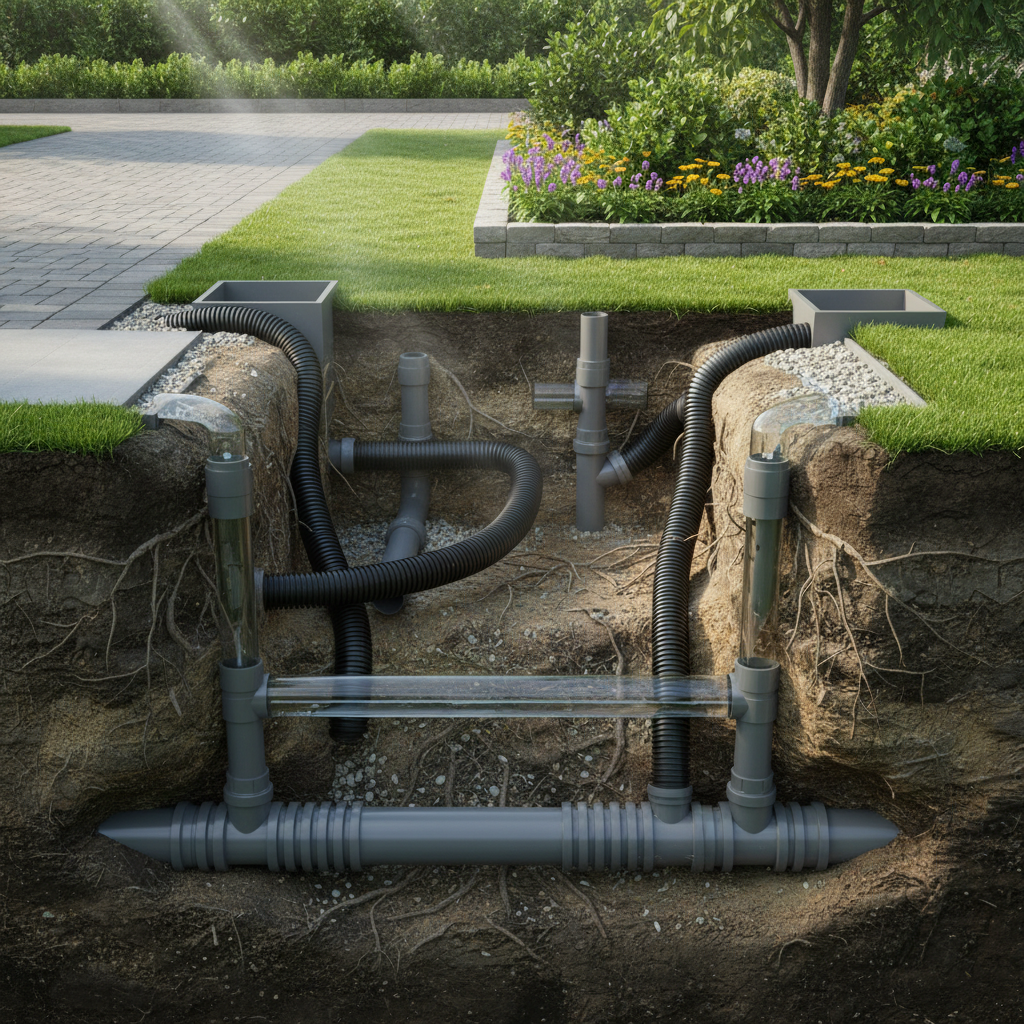
Underground drainage pipes are essential elements designed to manage and redirect water from various surfaces, preventing flooding and waterlogging in residential and commercial landscapes. These pipes are typically buried underground, allowing them to carry excess water away from foundations, driveways, and gardens without disrupting the aesthetic of the surroundings. Their primary function is to collect surface runoff and subsurface water and channel it towards drainage systems, such as storm drains or natural water bodies, ensuring efficient water management.
There are several types of underground drainage pipes, each serving specific purposes based on their design and material. Commonly used materials include PVC, corrugated plastic, and concrete, each chosen for their durability and suitability for different terrain conditions. For instance, perforated pipes are often utilized in areas requiring enhanced water absorption, allowing water to seep through the holes while filtering out soil and debris. Understanding these types and their functions is crucial for selecting the right drainage solution tailored to specific environmental needs and preventing potential water-related damage.
Types of Underground Drainage Pipes: A Detailed Overview
Underground drainage pipes play a crucial role in managing water flow and preventing flooding in both residential and commercial properties.
There are several types of underground drainage pipes, each designed for specific functions.
PVC (Polyvinyl Chloride) pipes are among the most commonly used due to their durability and resistance to corrosion.
These pipes are lightweight, making installation easier, and they are often utilized in residential settings for surface drainage systems.
Another popular option is the corrugated pipe, typically made from flexible plastic. Corrugated pipes allow for easy installation in various terrains and are often employed for agricultural drainage or around foundations to redirect water away from structures.
Additionally, clay pipes, although less common now, offer a timeless solution due to their durability and natural properties, making them ideal for areas with high acidity levels in the soil.
Understanding the different types of underground drainage pipes can help property owners select the best option for effective water management tailored to their specific needs.
Key Applications of Underground Drainage Systems in Construction
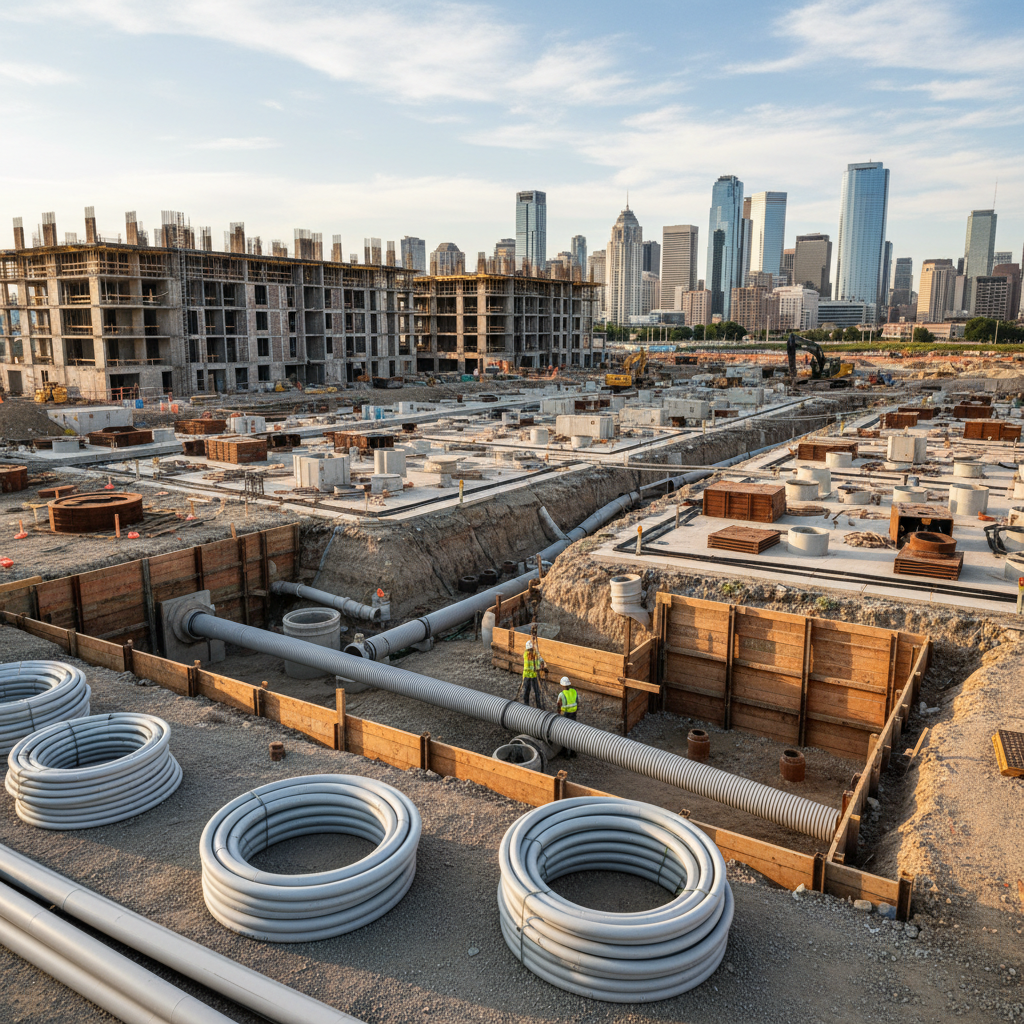
Underground drainage systems play a crucial role in construction, ensuring effective management of rainwater and wastewater. These systems are essential in preventing flooding and waterlogging in urban areas, thus safeguarding infrastructure and enhancing public health. The use of various types of underground drainage pipes, including PVC materials, has surged due to their durability, lightweight nature, and resistance to corrosion. According to recent market analysis, the global PVC pipe market is projected to reach significant growth, driven by the increasing demand for effective drainage solutions in construction applications.
The PVC drainage pipe segment, encompassing products like PVC schedule 40 and DWV pipes, has shown promising expansion. The emphasis on sustainable building practices has further propelled the growth of PVC drainage systems, as they provide reliable performance and longevity under various environmental conditions. Current industry reports indicate that the PVC pressure pipe market is expected to grow at a compound annual growth rate (CAGR) of over 5% in the coming years, highlighting the crucial role these systems will continue to play in modern construction projects. As the need for efficient drainage systems intensifies, the adoption of vinyl chloride pipes in managing underground drainage is likely to remain a key focus for industry stakeholders.
Installation Best Practices for Underground Drainage Pipes
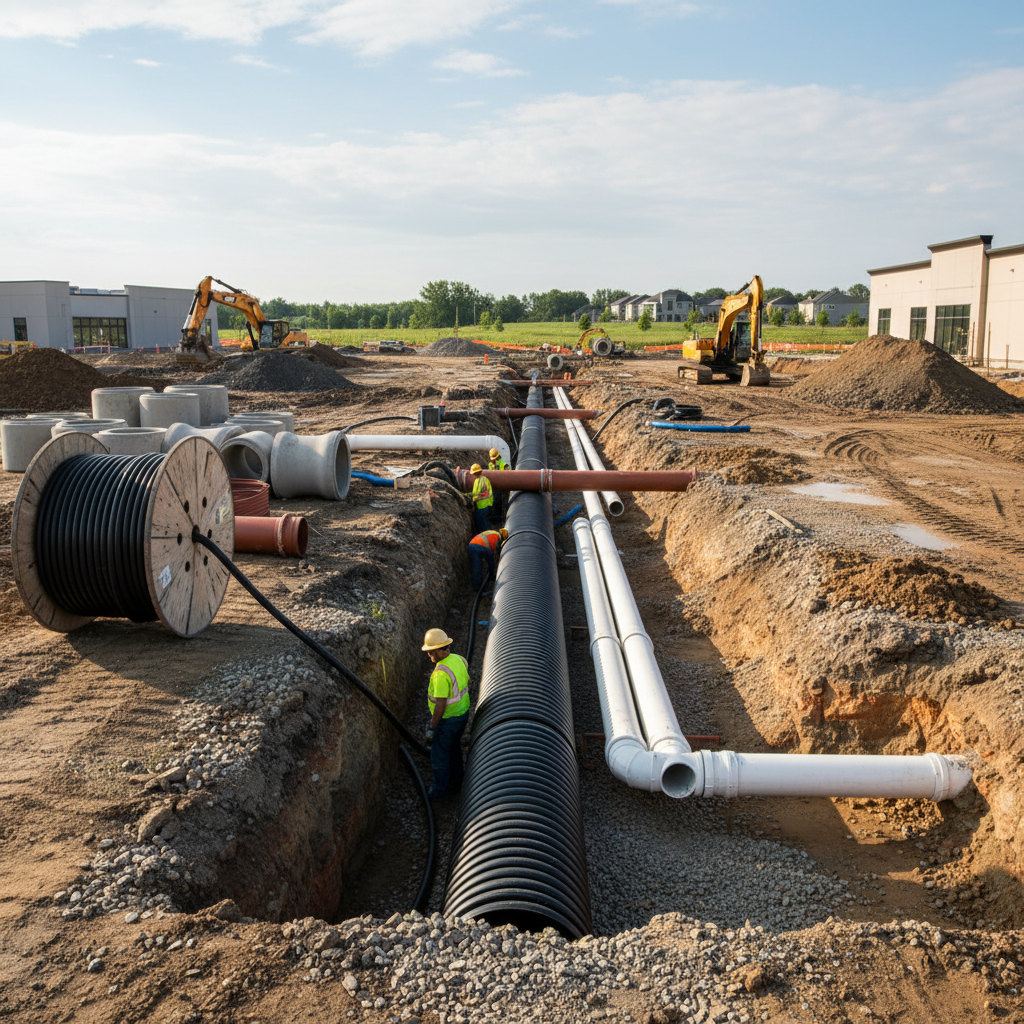
When installing underground drainage pipes, adhering to best practices is crucial for ensuring effective water management and preventing future drainage issues. One key consideration is the choice of pipe material. Options such as PVC, HDPE, and concrete offer different advantages in terms of durability and flexibility. It's vital to select a material that aligns with the local soil conditions and expected load-bearing requirements.
Proper trench preparation is another essential step in the installation process. The trench should be dug to the correct depth and width, ensuring a slope of at least 1% to facilitate efficient water flow. Additionally, a layer of gravel or crushed stone at the bottom of the trench can enhance drainage and support the pipe, reducing the risk of damage over time. Finally, when sealing the connections between pipes, it's critical to use high-quality fittings and adhesives to prevent leaks and ensure longevity in the system.
Maintenance Tips to Ensure Optimal Performance of Drainage Systems
Maintaining an underground drainage system is essential for ensuring its optimal performance and longevity. Regular inspections should be conducted to check for any blockages or signs of damage. It’s vital to clear debris and leaves from catch basins and grates to prevent water accumulation. This proactive approach not only improves the efficiency of the drainage but also minimizes the risk of flooding in surrounding areas.
Additionally, periodic checks of the pipe alignment and joints can help identify and address issues before they escalate. If roots from nearby trees infiltrate the system, they may cause significant blockages that require professional intervention. Moreover, using appropriate drainage filters can aid in trapping sediments and preventing clogs, thereby enhancing the overall functionality of the drainage system. Implementing these maintenance tips will ensure that your underground drainage pipe operates effectively, safeguarding your property from water-related issues.