
Pease Pottage 01403 275 276
Petersfield 01730 777 350
Maidstone 01795 843 866
Cullompton 01884 211 788

What Are the Top Types of Curved Glass Coolers?

Curved Glass Coolers combine product visibility, compact storage, and a polished retail appearance. The curved front reduces visual barriers around chilled drinks, desserts, dairy products, and ready-to-eat foods. Yet appearance alone does not determine commercial value. Capacity, temperature stability, energy use, and service access matter equally.

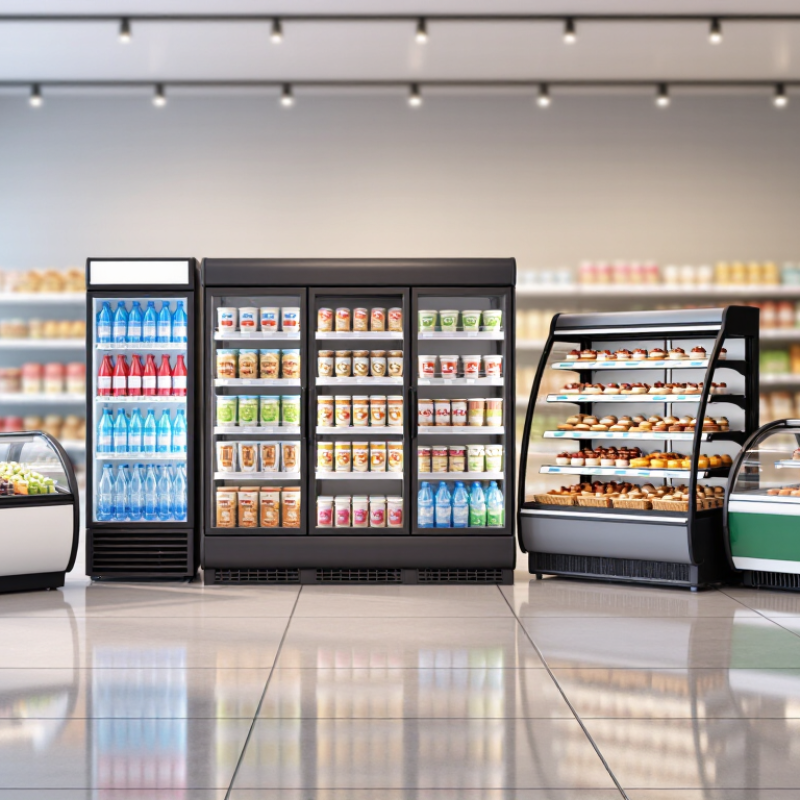
This guide examines the top types of Curved Glass Cooler, including countertop models, upright single-door units, double-door cabinets, multideck displays, and island coolers. Each design supports a different selling environment. Countertop coolers suit cafés and checkout areas with limited floor space. Upright cabinets provide clear vertical merchandising for bottled beverages. Multideck models offer broader product access in supermarkets and convenience stores. Island formats work well when customers shop from several directions.

Industry data reinforces the need for careful selection. Grand View Research’s commercial refrigeration analysis identifies food retail, hospitality, and convenience stores as major demand sectors. ENERGY STAR guidance also emphasizes efficient compressors, door design, lighting, and insulation as important operating factors. The International Energy Agency reports that global cooling demand continues to rise, making energy performance more than a purchasing detail. It affects long-term operating costs.

Small differences matter.

A poorly sealed door may create frost, noise, and higher electricity consumption. A beautifully curved cabinet may still provide weak airflow or difficult cleaning access. Those limitations deserve honest attention. This overview compares cooler types through practical criteria, including display visibility, footprint, temperature control, maintenance, and expected customer use. The best choice is rarely the largest model. It is the model that fits the products, traffic pattern, and daily operating discipline.
What Are the Top Types of Curved Glass Coolers?

What Defines a Curved Glass Cooler?

A curved glass cooler is a refrigerated display unit with one or more rounded glass panels. Its shape improves product visibility from different viewing angles. Unlike a standard upright cooler, it creates a softer visual line around shelves and merchandise.

The defining feature is not the curve alone. The cooler must combine curved safety glass, controlled refrigeration, insulated framing, and reliable door or panel seals. Low-emissivity glass can reduce heat transfer, while anti-fog treatment helps maintain a clear view during busy service.

Interior fans should distribute cold air evenly, preventing warm pockets near the front or upper shelves. Small details matter.

Common designs include curved glass countertop coolers, upright display coolers, and curved glass chest coolers. Countertop models suit compact service areas and chilled grab-and-go items. Upright versions provide more shelf capacity and stronger product visibility. Chest designs usually offer easier access from above, although they may require more bending.

In daily use, staff should check temperature readings, clean the glass, and inspect seals for gaps. Condensation is not always a fault, but repeated fogging deserves attention. Even experienced operators can misjudge airflow when shelves are overcrowded. That mistake is easy to make.

A well-defined curved glass cooler therefore depends on function, not appearance alone: stable cooling, safe glazing, clear visibility, and practical access must work together.

Freestanding Curved Glass Coolers for Versatile Placement

Freestanding Curved Glass Coolers for Versatile Placement

Freestanding curved glass coolers suit entrances, checkout lanes, cafés, and temporary sales areas. Their rounded fronts improve visibility from several walking angles. Upright single-door models fit narrow aisles, while double-door models support higher-volume beverage displays. Counter-height versions work well beside service counters. Placement remains flexible because these units usually need only floor space, power, and ventilation clearance.

The U.S. Environmental Protection Agency’s ENERGY STAR commercial refrigeration specification reports that qualified equipment can use at least 20% less energy than standard models. That difference matters in stores operating coolers throughout the day. However, energy performance depends on loading, door openings, and condenser maintenance. A curved glass cabinet is not automatically efficient. Check its tested consumption, temperature recovery, and insulation details before purchase.

Temperature control needs equal attention. The FDA Food Code 2022 identifies 41°F (5°C) or below for cold holding of time-and-temperature controlled foods. ASHRAE’s 2022 Refrigeration Handbook also explains how airflow and product loading influence cabinet temperatures. Leave space between products and air outlets. Avoid placing the cooler beside ovens, direct sunlight, or heating vents. A small installation mistake can erase the advantage of a premium cabinet. I would also question oversized models; they may look impressive, yet waste floor area and energy when sales are modest. Short trials with a thermometer can reveal problems that catalog photos hide.

Countertop Curved Glass Coolers for Compact Displays

Countertop curved glass coolers suit compact displays where every centimeter matters. Their rounded front glass improves viewing angles without demanding a full floor unit. Beverage models work well beside checkout areas, while pastry and deli models support small cafés, bakeries, and convenience counters.

Short footprint, clear product view.

A practical display should keep popular items between waist and eye level. Adjustable shelves help separate cans, desserts, and packaged meals.

The U.S. Food and Drug Administration Food Code recommends holding cold food at 41°F (5°C) or below. That target makes airflow and loading discipline important. Overfilling the case can create warm corners, even when the thermostat looks correct.

Energy use also deserves attention. ENERGY STAR reports that certified commercial refrigerators and freezers can use about 20% less energy than standard equipment. Grand View Research identifies energy efficiency and growing foodservice demand as major commercial refrigeration trends.

Those figures support efficient compact designs, but they do not guarantee savings for every store. Door openings, ambient heat, and cleaning routines still change results.

The compromise is real. A curved glass cooler may attract attention, yet its capacity is limited. Measure tray sizes, plug location, ventilation clearance, and daily replenishment before purchase. A beautiful case that blocks the till is not a clever display.

Built-In Curved Glass Coolers for Seamless Integration

Built-in curved glass coolers create a clean, furniture-like appearance in retail spaces. They sit within counters, wall units, or custom display islands. This design keeps the cooling area visible without interrupting the store’s layout. In a bakery, chilled desserts can face customers at eye level. In a café, bottled drinks remain easy to reach while the service counter stays organized.

The main types include front-service, rear-service, countertop, and under-counter models. Front-service units suit self-service areas with frequent customer access. Rear-service versions work better where staff control stocking and temperature checks. Countertop coolers fit narrow spaces, while under-counter models preserve valuable display height. Built-in installation requires accurate measurements. Leave enough ventilation space around the condenser. A tight cavity may reduce efficiency and shorten equipment life.

Measure twice.

Curved glass needs careful handling during fitting. Small alignment errors can leave uneven gaps around the frame. I have seen attractive installations lose their seamless look because the surrounding cabinet was slightly off level. Adjustable shelves help accommodate different products, but they should not block internal airflow. Door seals also deserve regular inspection. A cooler can look excellent while quietly losing cold air. Temperature logs, gentle glass cleaning, and clear access for servicing improve reliability. Local electrical and food-safety requirements should guide the final installation.

What Are the Top Types of Curved Glass Coolers? – Built-In Curved Glass Coolers for Seamless Integration
Cooler Type Typical Configuration Common Temperature Range Typical Capacity Best Use Built-In Integration Features Key Considerations
Curved Glass Refrigerated Display Case Front-curved glass with one or more adjustable shelves and a refrigerated base cabinet Approximately 2–8°C (36–46°F) Usually 250–900 L, depending on width and height Chilled desserts, sandwiches, dairy products, packaged meals, and beverages Front ventilation options, adjustable leveling feet, countertop or under-counter formats, and service access from the front or rear Requires adequate airflow around the refrigeration system; shelf loading should not block return-air openings
Built-In Curved Glass Beverage Cooler Compact upright or under-counter cabinet with curved glass door and adjustable bottle or can shelves Approximately 0–5°C (32–41°F) Usually 100–500 L Bottled drinks, cans, juices, and other grab-and-go beverages Front-breathing condenser designs, reversible or self-closing doors on selected models, and flush installation with surrounding cabinetry Allow clearance according to the installation manual; frequent door opening can increase energy use and recovery time
Curved Glass Gelato and Ice Cream Display Case Low-profile horizontal case with a curved heated or insulated glass canopy and product wells or pans Typically about -18 to -14°C (0 to 7°F) Commonly 6–24 standard pans or approximately 200–700 L Gelato, ice cream, frozen desserts, and portioned specialty products Recessed base, concealed casters or leveling supports, service-side access, and countertop-compatible presentation Glass may use anti-condensation heating; temperature stability depends on proper loading and regular defrost maintenance
Curved Glass Deli and Bakery Counter Horizontal serve-over case with a curved front window, refrigerated deck, and rear preparation area Approximately 2–8°C (36–46°F) Usually 300–1,200 L or approximately 1.2–3.0 m display length Prepared foods, salads, cheeses, pastries, cakes, and deli products Modular counter sections, matching end panels, front-service access, concealed refrigeration components, and custom-height worktops Product zoning is important because open service access can create temperature differences across the display area
Curved Glass Meat and Seafood Display Case Refrigerated serve-over case with a curved glass shield, stainless-steel interior, and drainable display deck Approximately 0–4°C (32–39°F) Usually 400–1,500 L or approximately 1.5–3.5 m display length Fresh meat, poultry, seafood, and other temperature-sensitive products Hygienic stainless-steel surfaces, integrated drainage, removable trays, service-counter compatibility, and concealed rear refrigeration Requires strict cleaning and temperature monitoring; seafood displays may need additional ice or humidity control
Curved Glass Cake and Pastry Showcase Countertop or floor-standing display with curved glass on the front and sides, often using static cooling Approximately 2–8°C (36–46°F), depending on the products displayed Usually 100–600 L Cakes, pastries, chocolates, cream desserts, and decorated bakery items Compact footprint, adjustable glass shelves, concealed lighting, rear sliding doors, and alignment with a service counter Humidity and airflow should be selected according to the products; excessive air movement can dry or damage delicate items
Curved Glass Open Display Merchandiser Open-front refrigerated case with a curved glass top or side profile and multiple merchandise levels Approximately 2–8°C (36–46°F) Usually 300–1,200 L Packaged foods, chilled snacks, dairy products, and impulse purchases Front-air discharge, rear or bottom refrigeration, joinable sections, adjustable legs, and integration with retail shelving layouts Open fronts provide easy access but generally consume more energy than fully enclosed door models
Curved Glass Wine and Specialty Beverage Cooler Upright or under-counter cabinet with curved insulated glass and horizontal bottle racks Commonly 5–18°C (41–64°F), depending on the selected storage setting Usually 50–300 bottles or approximately 80–400 L Wine, premium bottled beverages, and temperature-sensitive specialty drinks Flush-mounted installation, front-venting options, low-vibration compressor systems on selected designs, and integrated cabinet panels Stable temperature, low vibration, and protection from direct light are important for long-term wine storage
Planning note: Temperature ranges and capacities are typical commercial specifications rather than universal limits. Final selection should consider product load, ambient room temperature, ventilation clearance, electrical requirements, door or canopy configuration, cleaning access, and local food-safety regulations.

Specialized Curved Glass Coolers for Commercial Use

What Are the Top Types of Curved Glass Coolers?

Specialized Curved Glass Coolers for Commercial Use

Curved glass coolers serve different commercial selling points. Countertop models suit cafés, bakeries, and compact checkout areas. They keep bottled drinks, desserts, and prepared foods visible at eye level. Upright curved glass merchandisers provide taller storage and stronger product capacity. Serve-over coolers work well for deli counters, seafood, and fresh pastries. Island-style units allow customers to browse from several directions. That flexibility matters in busy retail aisles.

Energy performance deserves equal attention. ENERGY STAR reports that refrigeration can represent 40–60% of a supermarket’s electricity use. Its commercial refrigeration guidance also indicates certified equipment can use about 20% less energy than standard models. These figures do not guarantee savings for every store. Door openings, ambient heat, lighting, and cleaning habits change results. The U.S. FDA Food Code requires cold-held food to remain at 41°F (5°C) or below. A reliable cooler needs stable temperature recovery, not only attractive glass.

Tips: Measure aisle clearance before selecting a curved unit. Check compressor access and condensate drainage. Ask for tested energy data under comparable conditions. Keep air vents uncovered. Curved glass can improve viewing, but fingerprints and glare reduce that advantage. I have seen attractive displays lose sales when shelves sit too low. That design mistake is easy to overlook. A practical review should include temperature logs, shelf loading, glass coating, and staff cleaning time. Reports from the U.S. Department of Energy support evaluating total operating cost, rather than purchase price alone.