Pease Pottage 01403 275 276
Petersfield 01730 777 350
Maidstone 01795 843 866
Cullompton 01884 211 788

Top 10 Tips for Using Geotextile Fabric in Your Landscaping Projects

Geotextile fabric has become an indispensable component in modern landscaping and civil engineering projects, providing essential functions that enhance soil stability and drainage. According to a report by the Technical Committee on Geosynthetics, the global geotextiles market is expected to reach $10.5 billion by 2025, reflecting an increasing reliance on geotextile materials for a wide range of applications. This growth is driven by the rising demand for sustainable landscaping solutions that minimize erosion and improve water management.

The unique properties of geotextile fabric allow it to filter sediment while providing structural support, making it a vital resource in landscaping projects. A study conducted by the International Geosynthetics Society revealed that effective use of geotextiles can reduce soil erosion rates by up to 80%, showcasing their importance in preventing landscape degradation. Furthermore, as landscape architects and contractors seek innovative ways to integrate eco-friendly practices into their designs, understanding how to optimally utilize geotextile fabric is crucial for delivering successful projects. In this guide, we will explore the top ten tips for effectively using geotextile fabric in your landscaping endeavors, ensuring both aesthetic appeal and environmental sustainability.
Top 10 Tips for Using Geotextile Fabric in Your Landscaping Projects

Understanding Geotextile Fabric: Types and Applications

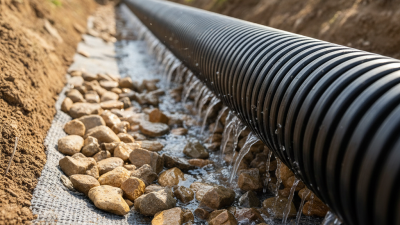
Geotextile fabrics have become indispensable in landscaping projects due to their versatility and functional advantages. These fabrics are mainly classified into two types: woven and non-woven. Woven geotextiles offer high strength and durability, making them ideal for applications requiring load-bearing capacities, such as roadways and retaining walls. In contrast, non-woven geotextiles are typically used for filtration, drainage, and erosion control due to their permeability and ability to separate soil layers. According to the Federal Highway Administration, the use of geotextile fabrics in road construction projects can reduce the required amount of aggregate by up to 50%, showcasing their economic and practical benefits.

In terms of applications, geotextile fabrics play a critical role in soil stabilization, preventing erosion, and managing sediment control in landscaping projects. A recent report by MarketsandMarkets estimates that the global geotextiles market will reach approximately $6 billion by 2026, reflecting a growing recognition of these materials in civil engineering and landscaping. The ability of geotextiles to enhance the longevity and durability of landscaping structures is significant; they not only provide a barrier against weeds but also promote proper drainage, which is essential for maintaining soil health and promoting plant growth.

With such a vast range of applications, understanding the types and benefits of geotextile fabric is essential for successful landscaping endeavors.

Selecting the Right Geotextile Fabric for Your Landscape Needs

When selecting the right geotextile fabric for your landscaping needs, it’s essential to understand the various types available and their specific applications. Geotextiles are generally categorized into woven and non-woven fabrics. According to the International Erosion Control Association (IECA), woven geotextiles offer superior tensile strength and durability, making them ideal for high-load applications such as erosion control along slopes and roads. On the other hand, non-woven geotextiles are more permeable and are primarily used for drainage and weed control in landscapes, benefiting areas where water management is crucial.

Furthermore, selecting the correct fabric also involves considering its property specifications. For instance, the American Society for Testing and Materials (ASTM) outlines standardized tests for evaluating the filtration and permeability of geotextiles. Utilizing fabrics with appropriate pore sizes can significantly enhance soil stability and water drainage, leading to better long-term outcomes in your landscaping projects. A study conducted by the Geosynthetic Research Institute highlighted that using geotextiles can reduce soil erosion by up to 80% when deployed correctly, showcasing their importance in sustainable landscaping practices. Understanding these factors will enable you to make informed decisions that cater to the specific demands of your landscape while ensuring durability and efficiency.

Comparison of Geotextile Fabric Types for Landscaping

Step-by-Step Installation Guide for Geotextile Fabric

Top 10 Tips for Using Geotextile Fabric in Your Landscaping Projects

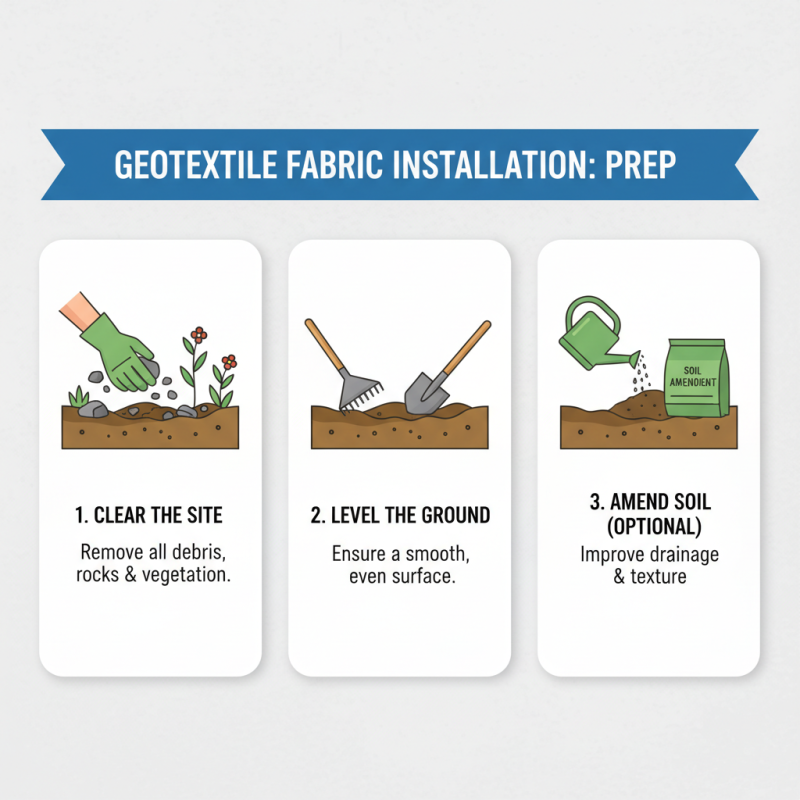
Installing geotextile fabric is a straightforward process that enhances the longevity and effectiveness of your landscaping projects. Begin by preparing the area where you plan to install the fabric. This entails clearing the site of any debris, rocks, or vegetation that could impede the installation. Once the area is clean, level the ground to ensure a smooth surface. If necessary, you can use soil amendments to achieve the desired texture and drainage properties.

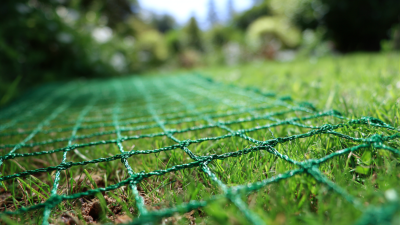
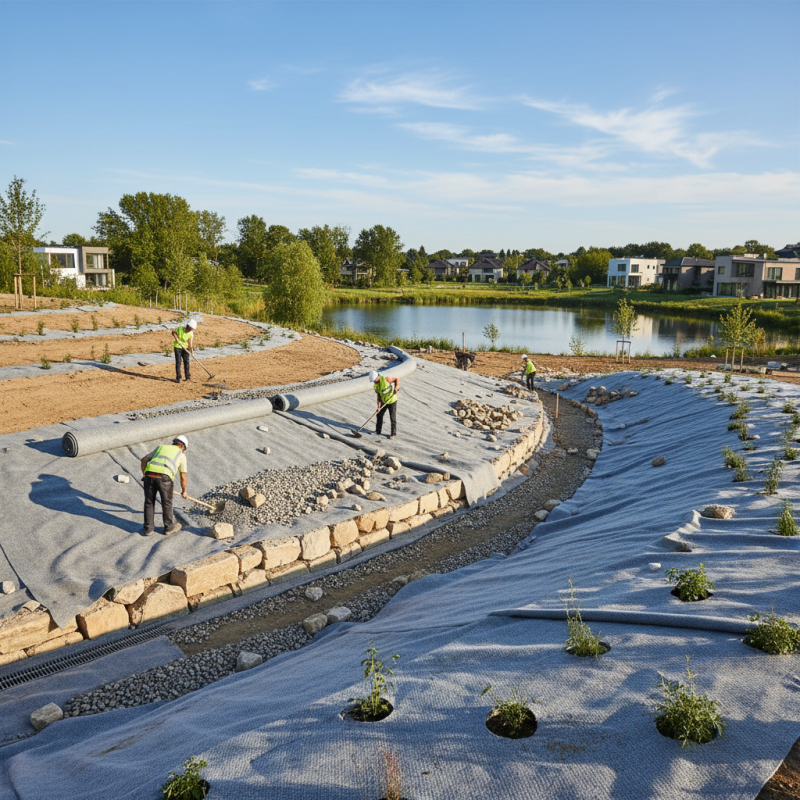
Next, roll out the geotextile fabric over the prepared area, making sure to overlap the edges by at least 12 inches to prevent soil erosion and promote proper drainage. Use landscaping pins or stakes to secure the fabric in place, ensuring tightness without damaging it. After securing, you can cover the fabric with mulch, gravel, or soil depending on your landscaping design. This step not only adds aesthetic value but also protects the fabric from UV damage and helps it perform its function effectively. Following these steps will result in a well-installed geotextile fabric that enhances the durability of your landscaping features.

Maintenance Tips for Longevity of Geotextile Fabric in Landscaping

Top 10 Tips for Using Geotextile Fabric in Your Landscaping Projects

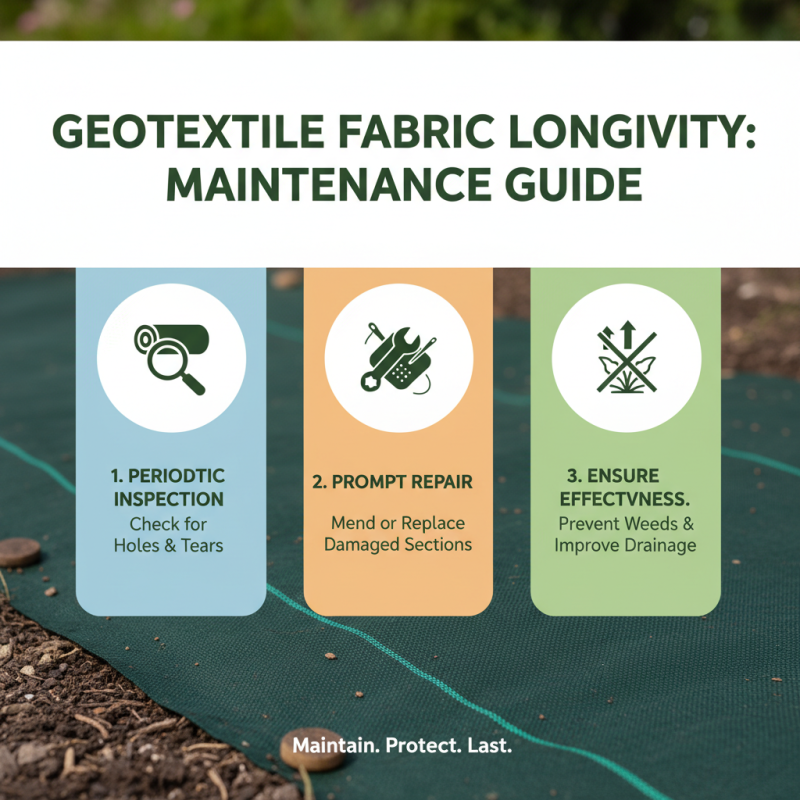
To ensure the longevity of geotextile fabric in your landscaping projects, regular maintenance is essential. First, inspect the fabric periodically for any signs of deterioration, such as holes or tears that may have developed over time due to shifting soil or environmental factors. If you notice any damage, promptly repair or replace the affected sections to maintain the fabric's effectiveness in preventing weed growth and improving soil drainage.

Additionally, it's important to keep the surface of the geotextile free from debris. Accumulations of leaves, soil, or other organic matter can hinder water drainage and promote rot. Regularly clearing the area not only helps maintain optimal performance but also extends the lifespan of the fabric. Furthermore, if the fabric is exposed to heavy foot traffic or machinery, consider reinforcing it with a layer of mulch or gravel, which can protect the underlying material while enhancing the aesthetic appeal of your landscape design.

Common Mistakes to Avoid When Using Geotextile Fabric

When using geotextile fabric in landscaping projects, avoiding common mistakes can significantly enhance the project's effectiveness. One frequent error is improper installation, which can lead to a failure in soil stabilization and weed control. It’s crucial to ensure that the fabric is laid flat without wrinkles or folds, as these can create spaces for weeds to penetrate and diminish its structural benefits. Additionally, overlapping seams too much or, conversely, not overlapping them at all can compromise the integrity of the installation, allowing water to mix with soil layers and reduce drainage efficiency.

Another mistake to watch out for is selecting the wrong type of geotextile fabric based on the specific needs of your project. Some fabrics are designed for drainage, while others are meant for filtration or stabilization. Using the wrong type can lead to issues such as water pooling, inadequate filtering, or even erosion of soil layers. Properly assessing your landscaping requirements and choosing an appropriate fabric can help avoid future problems. Careful consideration of these factors will ensure a more successful application of geotextile in your landscaping endeavors.