Top Hydraulic Pumps for Efficient Industrial Applications?
In the realm of industrial applications, Hydraulic Pumps play a vital role. According to the latest market analysis, the global hydraulic pump market is projected to reach USD 20 billion by 2026. This growth highlights the increasing demand for efficient hydraulic systems across various sectors, including manufacturing and construction.
Hydraulic pumps are essential for converting mechanical energy into fluid power. Their effectiveness can significantly impact productivity and operational efficiency. For instance, selecting high-quality pumps can lead to a reduction in power consumption by as much as 30% in some systems. This underscores the importance of choosing the right pump for specific applications.
Despite advancements, challenges remain. Not all hydraulic pumps are created equal. Variability in performance and durability exists among different brands and models. Businesses must navigate these complexities to ensure reliability and cost-effectiveness. Evaluating performance metrics becomes crucial for making informed decisions. Efficient hydraulic pumps can ultimately streamline operations, but careful selection is key to achieving optimal results.
Types of Hydraulic Pumps Used in Industrial Applications
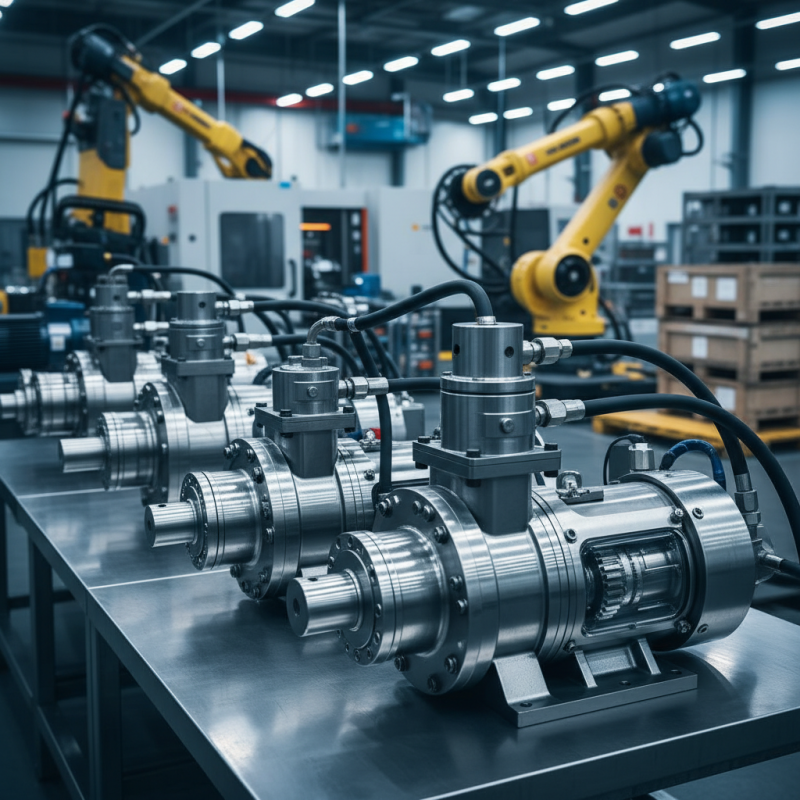
Hydraulic pumps are vital in various industrial applications. They convert mechanical energy into hydraulic energy, powering different machinery. There are a few primary types commonly used in industries.
Gear pumps are straightforward but effective. They have two gears that rotate, creating a vacuum to draw fluid into the chamber. This method is efficient for high viscosity fluids. However, they can wear out quickly in harsh conditions, leading to maintenance concerns.
Another popular type is the vane pump. This pump uses a rotating set of vanes in a cam to create pressure. Vane pumps are versatile and can handle varying fluid viscosities. Still, they may struggle with extreme temperatures or contaminated liquids. Users need to be aware of these limitations to choose the right pump for their needs.
Top Hydraulic Pumps for Efficient Industrial Applications
Key Features to Look for in Efficient Hydraulic Pumps
When selecting hydraulic pumps for industrial applications, it's vital to focus on key features that enhance efficiency. Look for pumps designed with a high power-to-weight ratio. This feature allows for greater energy transfer while reducing overall system weight. Efficient pumps also include adjustable displacement options. This flexibility supports varying load conditions and optimizes performance for different tasks.
Another essential aspect is the pump's sealing system. Effective seals reduce wear and tear, leading to longer service life. A good hydraulic pump should also have a robust filtration system. This protects internal components from contaminants and enhances reliability. Pay attention to the noise levels as well. Quieter pumps often indicate smoother operation and can lead to a safer working environment.
Lastly, consider the ease of maintenance. Pumps that allow quick access to components will save time and reduce downtime. However, not all pumps offer this feature. Users often face challenges when components are hard to reach. Therefore, regular assessment and reflection on the chosen pump's ease of maintenance can lead to improved operational efficiency in the long run.
Top Brands of Hydraulic Pumps for Industrial Use
When choosing hydraulic pumps for industrial use, several brands stand out for their reliability and performance. Selecting a reputable brand can greatly influence the efficiency of industrial applications. Users often prioritize factors like durability, energy efficiency, and maintenance requirements. The right choice can lead to significant savings in operating costs.
**Tip:** Look for brands with strong customer service and support. This can be crucial when facing issues or needing repairs.
One commonly overlooked aspect is compatibility with existing systems. Not all pumps fit seamlessly into every setup. Careful measurement and assessment are vital. Users may disregard the fit, leading to inefficiencies or damage. Manufacturers often provide guidelines. Always double-check specifications.
**Tip:** Consider the long-term availability of replacement parts. Brands that ensure easy access to components can save time and money in the long run.
Investing time in research enhances decision-making. Understanding the applications and flow rates needed is essential. This knowledge allows for better integration into existing workflows. However, many users focus solely on immediate needs. This often results in additional costs down the line due to suboptimal performance. Engaging with experts or peer reviews can refine choices significantly.
Maintenance Practices for Enhancing Hydraulic Pump Efficiency
Maintaining hydraulic pump efficiency is crucial for industrial operations. Regular maintenance practices can significantly enhance the performance of these systems. According to recent industry reports, up to 70% of hydraulic pump failures can be attributed to inadequate maintenance. Ensuring proper fluid cleanliness is key. Contaminants can lead to wear and reduced efficiency.
Monitoring fluid levels regularly is another critical practice. Low levels may cause cavitation, which, in turn, damages the pump. The ideal threshold for fluid cleanliness is often below 16/14/11, according to ISO standards. Additionally, replacing worn seals promptly can prevent leaks and sustain pressure.
However, even with diligent upkeep, unexpected issues can arise. Operators often overlook temperature monitoring, which is essential. Elevated temperatures can indicate potential failures. A systematic approach to track this can prevent costly downtime. Regular staff training on these practices improves overall efficiency. Engaging teams in discussions about challenges also drives better results.
Top Hydraulic Pumps for Efficient Industrial Applications
| Pump Type | Maximum Pressure (psi) | Flow Rate (GPM) | Efficiency (%) | Typical Applications |
| Gear Pump | 3000 | 20 | 85 | Automotive, Manufacturing |
| Vane Pump | 2500 | 15 | 80 | Construction, Agriculture |
| Piston Pump | 5000 | 10 | 90 | Heavy Machinery, Oil & Gas |
| Axial Piston Pump | 6000 | 25 | 92 | Aerospace, Robotics |
| Hydraulic Gear Motor | 3500 | 30 | 87 | Marine, Power Generation |
Applications of Hydraulic Pumps Across Various Industries
Hydraulic pumps are crucial in many industrial applications. Their efficiency in converting mechanical energy into hydraulic energy makes them widely used. Industries like construction, manufacturing, and agriculture benefit significantly from these pumps. They power various machinery, including excavators, forklifts, and hydraulic presses. This versatility highlights their importance in enhancing productivity.
In the construction sector, hydraulic pumps drive heavy machinery. They enable precise movements in cranes and bulldozers. This ability to control heavy loads is essential for safety and efficiency on job sites. Agriculture also relies on hydraulic systems for tasks like lifting and steering farm equipment. However, not every hydraulic pump performs flawlessly. Some may leak or fail under pressure, leading to costly downtime.
Manufacturing facilities often use hydraulic pumps in assembly lines. They provide necessary force to operate machines that fabricate components. Yet, maintenance is critical. Regular checks can prevent unexpected failures and ensure smooth operations. The variability in pump performance across industries underscores the need for expertise in selecting and maintaining these systems. Understanding specific application requirements is vital for maximizing efficiency and reliability.