What Are the Top Grass Reinforcement Mesh Types in 2026?
Grass reinforcement mesh is often treated as a simple lawn accessory. In practice, it is a load-bearing choice shaped by soil, traffic, drainage, and installation quality. A thin polyethylene roll may protect a garden path, while a heavier cellular grid can help stabilize a frequently used access route. The difference shows up underfoot: one system lies close against the turf; another creates cells that contain soil and support vehicle loads.
The 2026 comparison also sits within a growing geosynthetics market. MarketsandMarkets’ Geosynthetics Market report estimated global sales at about $13.2 billion in 2023, with a projected rise to $18.2 billion by 2028. That figure covers many geosynthetic products, not grass reinforcement mesh alone. Still, it signals expanding interest in engineered ground support. Useful context, not a product ranking.
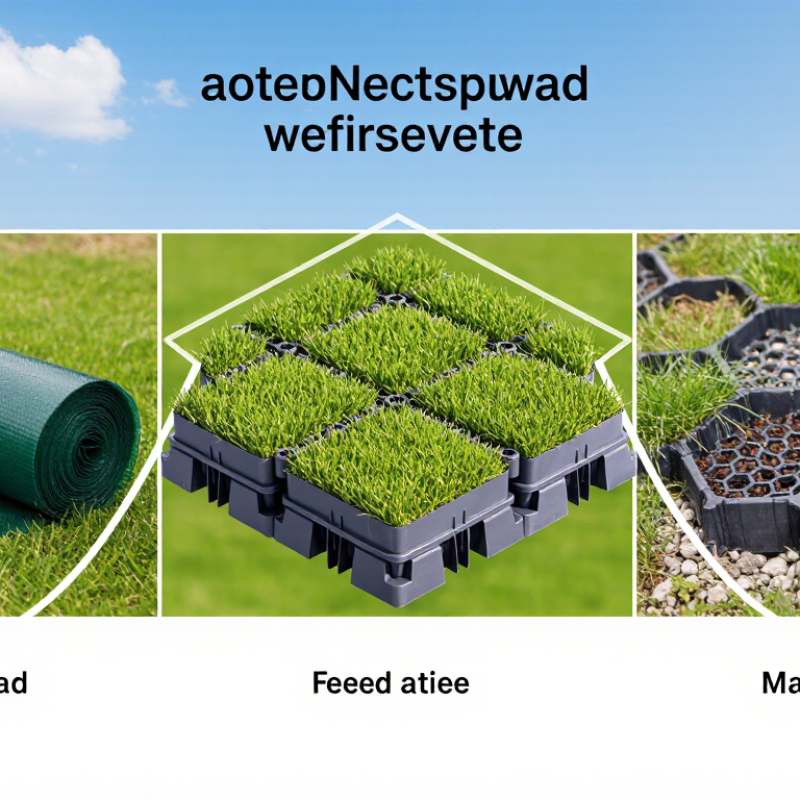
This guide compares common types, including flexible plastic mesh, rigid grass grids, and cellular geocell systems. It looks at material, opening size, load capacity, drainage, and installation demands. Those details matter more than a strong-sounding product label. A mesh can fail when the base is poorly prepared, even if its specification looks impressive. There is no perfect choice. The best option depends on the site, and published product claims do not always make comparisons easy. We will separate practical differences from marketing language, while noting where evidence remains limited.
Grass Reinforcement Mesh: Purpose and Basic Structure
Grass reinforcement mesh is a permeable grid that supports grass roots while helping protect exposed soil from surface runoff and light traffic. Its openings let soil, water, and seed contact one another; the mesh itself is not a substitute for healthy vegetation. Common structures include woven natural-fibre netting, synthetic polymer grids, and three-dimensional turf reinforcement mats. They differ in material, opening size, thickness, and expected service life. Small openings can hold soil and seed in place, while deeper structures provide more room for roots. Fit matters.
The Food and Agriculture Organization’s 2015 Status of the World’s Soil Resources report estimated that 33% of the world’s soils were moderately to highly degraded. Erosion is one of the pressures described. For practical design, FHWA’s HEC-15 guidance assesses flexible channel linings against calculated boundary shear stress, rather than assigning one universal strength to every mesh. That distinction matters. A roadside slope carrying concentrated runoff needs a different structure from a level lawn with occasional foot traffic. Installation also shapes performance: prepare a firm seedbed, secure edges and overlaps, then keep the surface moist while grass establishes. One limitation is easy to overlook: mesh can reduce soil movement, but poor drainage or weak establishment can still leave bare patches.
Grass Reinforcement Mesh: Purpose and Basic Structure
Typical base construction of three common grass-reinforcement mesh types
Each type typically has one primary mesh or grid plane. Polymer mesh and geogrid provide open structures that help reinforce turf under load; natural-fiber netting can help stabilize soil while vegetation establishes. Product designs vary, and the chart does not count anchors, sub-base layers, or additional components in an installed system.
Plastic Mesh for Light-Duty Grass Protection
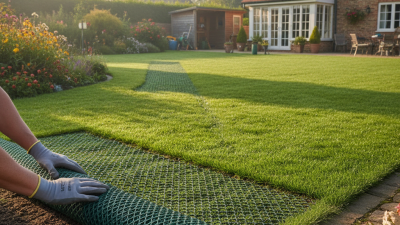
Plastic mesh can help protect grass where people walk occasionally, such as a garden path, picnic area, or route to a shed. Its open grid lets sunlight, water, and air reach the turf while spreading some foot pressure across a wider area. It is a light-duty option, not a substitute for a paved surface.
Fit matters. Choose mesh with openings suited to the grass and expected use, then secure it flat with appropriate ground pins. Raised edges can catch shoes or mower blades. Follow the product’s installation guidance, and check the surface after heavy rain or frost. Small shifts happen.
Plastic mesh works best on reasonably healthy, well-drained ground. It will not fix compacted soil, persistent standing water, or bare patches on its own. For a narrow path, a homeowner might notice less visible wear after regular use, though results depend on traffic and maintenance. Check UV resistance and expected service life before buying, and consider how the material can be disposed of later. I would not choose it for regular vehicle traffic; the mesh may deform, and the grass underneath can still fail.
Geogrid and Cellular Mesh for Heavier Loads
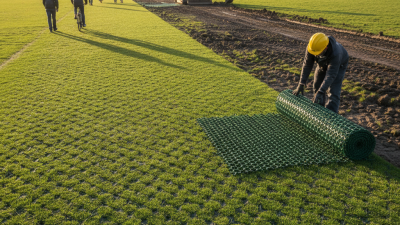
For heavier traffic, geogrids and cellular mesh solve different problems. A geogrid’s open ribs interlock with crushed aggregate, helping limit lateral movement beneath driveways, access lanes, and parking areas. FHWA’s 2015 technical review of geosynthetic-reinforced aggregate bases reports potential aggregate-thickness reductions of about 20–50% in suitable designs. Treat that as a design-dependent range, not a promise. Weak, wet subgrades can change the result.
Cellular mesh, often called geocell, confines stone or soil inside three-dimensional pockets. That confinement can help on slopes, soft ground, or turning areas where tires repeatedly push material sideways. ASTM D6637 provides test methods for measuring geogrid tensile properties; those figures matter, but they do not predict field performance alone. Check cell depth, seam strength, infill gradation, drainage, and the actual wheel loads. Details matter.
A delivery truck is not a passenger car. Neither is an occasional mower. Match the system to axle loads, soil strength, and expected traffic, then specify installation carefully. FHWA’s report stresses the role of subgrade and aggregate properties in reinforced-base design. A clean-looking grid can still underperform if the stone is poorly compacted. And site assumptions are often imperfect. That deserves a second look.
Biodegradable Mesh for Erosion Control
What Are the Top Grass Reinforcement Mesh Types in 2026?
Biodegradable Mesh for Erosion Control
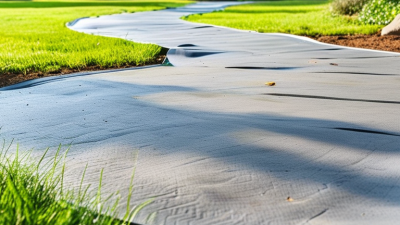
Biodegradable erosion-control mesh supports grass while roots take hold. Common natural-fiber choices include jute, coir, and straw netting. Jute is relatively light and often suits short-term cover; coir fibers are coarser and can remain intact longer. Actual breakdown depends on moisture, soil, and product construction. The trade-off is real.
The need is substantial. The FAO’s 2015 Status of the World’s Soil Resources report estimates that erosion removes 25–40 billion tonnes of topsoil from croplands each year. That figure describes global soil loss, not the performance of any particular mesh. For site decisions, the USDA NRCS Engineering Field Handbook advises matching erosion-control measures to slope, runoff, and soil conditions. A mesh alone cannot correct concentrated water flow.
On a newly seeded bank, the practical details matter: pin the netting firmly, overlap the edges, and keep the soil beneath it in contact with seed. Gaps can let runoff lift the fabric. Coir may suit longer exposure, while lighter fiber netting can fit gentler slopes and shorter establishment periods. Check expected service life against the time grass needs to establish. One easy detail to miss: biodegradable does not mean maintenance-free. Inspect after heavy rain, and repair exposed seams before they widen.
What Are the Top Grass Reinforcement Mesh Types in 2026? – Biodegradable Mesh for Erosion Control
| Mesh or blanket type |
Typical material |
Typical functional persistence |
Best suited to |
Key benefits and considerations |
| Jute mesh |
Woven jute fiber |
About 6–12 months |
Low to moderate slopes, garden banks, and short-term soil stabilization |
Biodegradable and easy to install. Generally breaks down sooner than coir, so it is less suitable where protection is needed for several years. |
| Coir mesh |
Woven coconut fiber |
About 2–5 years |
Steeper slopes, stream banks, and sites needing longer temporary protection |
Coarse, strong fibers can provide longer-lasting surface protection. Proper anchoring and close contact with the soil are important, especially on slopes. |
| Straw erosion-control blanket |
Straw held by biodegradable netting or stitching |
Usually several months to about 1 year |
Newly seeded areas, gentle to moderate slopes, and roadside topsoil |
Helps reduce raindrop impact and retain moisture for germination. Performance depends on blanket weight, netting, site exposure, and installation. |
| Coir erosion-control blanket |
Coconut fiber mat, often with biodegradable netting |
Typically 2–5 years, depending on construction and exposure |
Steep or erosion-prone slopes and some waterway banks |
Offers more persistent cover than many straw blankets. Select a product designed for the expected flow and slope conditions; it is not a substitute for engineered channel protection. |
| Excelsior (wood-fiber) blanket |
Shredded wood fibers, commonly held in biodegradable netting |
Often around 1–2 years; varies with site conditions |
Moderate slopes and areas where a more durable cover than loose mulch is needed |
Interlocking fibers help hold soil and seed in place. Check the netting material and installation requirements when biodegradability is a priority. |
| Biodegradable open-weave mesh |
Jute, coir, or other natural-fiber yarns |
Ranges from months to several years, depending on fiber and weave |
Grass-covered slopes where vegetation can grow through the openings |
Allows grass shoots to emerge while reducing surface soil movement. Match mesh strength and opening size to the seed, soil, slope, and expected runoff. |
Note: Persistence periods are approximate typical ranges, not guaranteed service lives. Climate, soil moisture, sunlight, fiber quality, product construction, and installation can change how quickly a material degrades. Follow project specifications and local erosion-control guidance when selecting and installing a product.
How to Compare and Choose Mesh Types in 2026
Choosing a grass reinforcement mesh in 2026 starts with the site, not the product label. A lightly used garden path needs less support than a parking area with regular vehicle traffic. Check the expected load, soil condition, slope, and drainage. A quick walk after rain can reveal soft spots that a dry-day inspection misses.
Plastic mesh is lightweight and often suited to paths or occasional vehicle use, provided the ground is prepared well. For heavier or more frequent loads, a thicker grid or cellular confinement system may spread pressure more effectively. Coir and other natural-fibre mats help protect exposed soil while grass establishes, but they generally break down over time. That may be useful—or inconvenient. Compare stated load ratings, aperture size, UV resistance, and expected service life; figures only help when the installation matches the tested conditions.
Installation can make or break the result. Remove loose debris, level the base, and secure edges so wheels cannot catch them. Leave enough soil through the openings for roots to establish, then follow the maker’s guidance on seeding and watering. One detail is easy to miss: a mesh that feels firm underfoot may still rut under turning tyres. Test a small area if traffic patterns are uncertain. There is no perfect type; maintenance needs and site conditions can change the choice.