Top 10 Benefits of Perforated Drainage Pipe for Effective Water Management
Effective water management is paramount in both urban and rural settings, particularly given the increasing frequency of extreme weather events and the growing demands on drainage systems. Perforated drainage pipes have emerged as a critical solution for managing excess water, offering a versatile and efficient method for ensuring that water is transported safely away from structures and landscapes. According to a report by the American Society of Civil Engineers, over 50% of urban flooding can be attributed to inadequate drainage systems, making the use of advanced materials like perforated drainage pipe essential for the sustainability of our infrastructure.
Renowned drainage expert Dr. Lisa Harrington noted, "The integration of perforated drainage pipes is not just a trend; it's a necessity for sustainable water management, especially in areas prone to saturation and flooding." This statement underscores the pivotal role that these pipes play in enhancing soil drainage and reducing surface runoff. By allowing water to flow through their perforations, these pipes effectively alleviate pressure on traditional drainage systems, ensuring the efficient management of stormwater. As we explore the top 10 benefits of perforated drainage pipes, it becomes evident that these systems are integral to modern infrastructure resilience and environmental conservation.
Overview of Perforated Drainage Pipes and Their Functionality
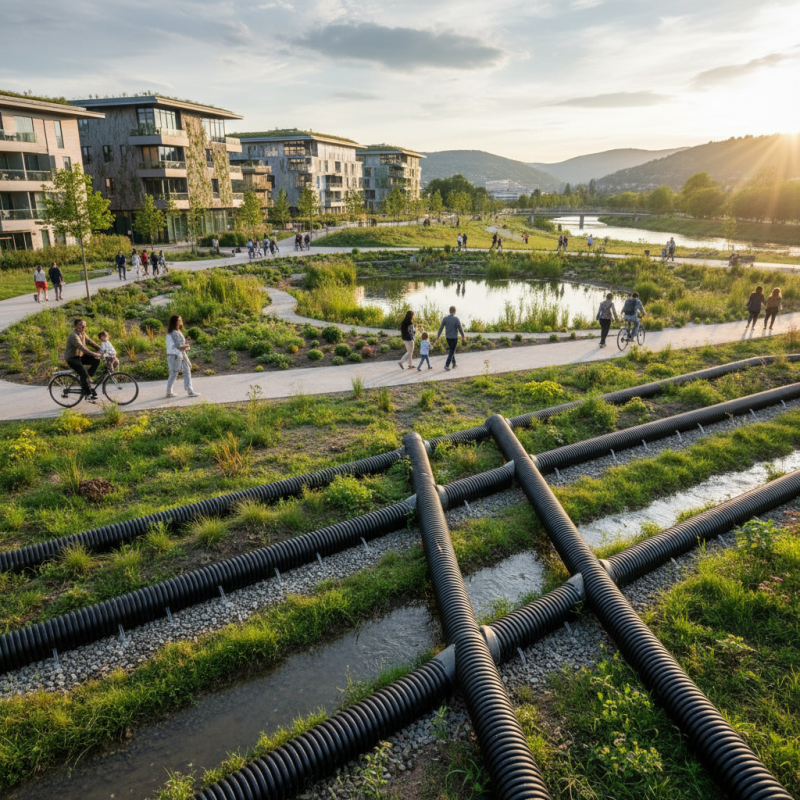
Perforated drainage pipes are essential components in effective water management systems, designed to facilitate the efficient movement of water away from potential problem areas. These pipes are characterized by small holes or slits along their length, allowing water to enter while preventing the buildup of soil and debris inside. Typically buried underground, they can help redirect excess water from areas prone to flooding or saturation, promoting better drainage and ground stability. This functionality makes them vital in construction sites, agricultural fields, and landscaping projects, where managing groundwater levels is crucial.
The design of perforated drainage pipes enhances their ability to manage both surface and subsurface water effectively. When rainwater or irrigation runoff infiltrates the soil, it can accumulate in specific areas, leading to erosion or waterlogging. The perforations enable these pipes to collect and transport excess water to a designated drainage area, reducing the risk of over-saturation and allowing plants and crops to thrive. Moreover, their use can minimize the environmental impact of excess water by promoting natural filtration processes, helping to purify water before it re-enters the ecosystem. Overall, their functionality serves to maintain the integrity of landscapes while promoting efficient water management solutions.
Key Advantages of Using Perforated Drainage Pipes in Water Management
Perforated drainage pipes are essential tools in effective water management, offering numerous advantages that enhance both functionality and efficiency. One of the primary benefits is their ability to facilitate groundwater recharge. According to the Environmental Protection Agency (EPA), using perforated pipes can increase water infiltration rates by up to 30%, allowing rainwater to be absorbed back into the groundwater table instead of running off into storm drains. This not only helps in reducing surface flooding but also supports the sustainability of local ecosystems.
Another key advantage of perforated drainage pipes is their effectiveness in controlling excess moisture in soils, which is crucial for agricultural practices and landscaping. Research published by the American Society of Civil Engineers indicates that proper drainage can improve crop yields by 10-15% due to enhanced root development and reduced waterlogging. For homeowners and landscapers, installing perforated pipes can also lead to lower maintenance costs by preventing water pooling and minimizing erosion.
Tips: When planning your drainage system, ensure proper placement of perforated pipes to maximize their benefits. Consider the soil type and local climate conditions, which can significantly influence water flow and drainage efficiency. Regular inspections and maintenance can also extend the lifespan of your drainage system, ensuring optimal performance.
Comparison with Traditional Drainage Methods: Efficiency and Cost
When it comes to drainage solutions, perforated drainage pipes provide a distinct advantage over traditional methods such as open ditches or solid pipes. The primary benefit lies in their ability to effectively manage water flow and prevent flooding.
Perforated pipes allow groundwater to seep into the pipe while simultaneously facilitating the movement of excess surface water. This efficiency minimizes the risk of water accumulation, particularly in areas prone to heavy rainfall, thus reducing the potential for property damage.
In terms of cost, perforated drainage systems can be more economical in the long run compared to conventional drainage methods. While the initial installation costs for perforated pipes may be comparable to traditional setups, their longevity and reduced maintenance requirements greatly enhance cost-effectiveness. Traditional methods often involve significant excavation and can lead to costly repairs due to sediment buildup.
In contrast, the design of perforated drainage pipes enables self-cleaning, leading to fewer disturbances to the landscape and lower overall maintenance expenses. Therefore, perforated drainage presents a compelling alternative, especially for areas requiring sustainable and budget-conscious water management solutions.
Installation Considerations for Optimal Performance of Perforated Pipes
When installing perforated drainage pipes, several key considerations are essential to ensure optimal performance in water management systems. First, selecting the appropriate diameter and spacing of the pipes is crucial. According to the American Society of Civil Engineers (ASCE), a pipe diameter of 4 to 6 inches is often recommended for effective drainage in residential applications. Additionally, spacing should typically range from 10 to 15 feet, depending on soil type and site conditions. For instance, sandy soils can accommodate wider spacing due to their excellent drainage capabilities, while clay soils may require closer spacing to prevent water accumulation.
Another important factor is the bedding material used for proper installation. Research from the Water Environment Federation (WEF) indicates that utilizing a clean gravel or crushed stone layer can enhance water flow towards the perforations and reduce clogging. The installation angle is also vital; a slight slope of 1 to 2 percent can facilitate gravity-assisted drainage, ensuring efficient water movement through the system. Moreover, it’s critical to incorporate a filter fabric around the pipe to prevent silt and sediment from entering the drainage system, thereby extending the life of the perforated pipes and maintaining their performance over time. Engaging in these installation considerations can significantly improve the effectiveness of perforated drainage pipes in managing water efficiently.
Long-Term Maintenance Benefits of Perforated Drainage Systems
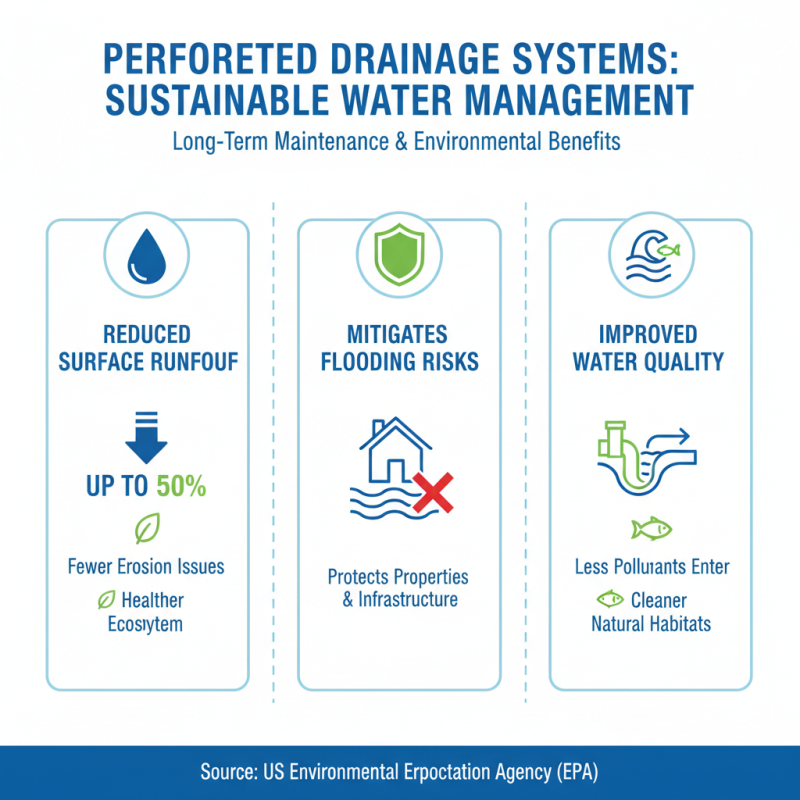
Perforated drainage systems offer significant long-term maintenance benefits that are crucial for effective water management. One key advantage is their ability to promote sustainable drainage solutions. According to the U.S. Environmental Protection Agency, well-designed drainage systems can reduce surface water runoff by up to 50%, leading to fewer erosion issues and a healthier ecosystem. This reduction in runoff not only mitigates flooding risks but also diminishes the pollutants entering natural water bodies, thus enhancing overall water quality.
Furthermore, the durability and low maintenance requirements of perforated drainage pipes make them an economical choice for property owners. A study by the American Society of Civil Engineers notes that maintaining traditional drainage systems can incur costs exceeding $10,000 annually due to frequent repairs and system failures. In contrast, perforated drainage systems, when installed correctly, can last decades with minimal upkeep, as their design allows for better sediment filtration and less blockage. This means less time and money spent on repairs, allowing property owners to allocate resources more effectively and invest in other areas of their infrastructure.