10 Tips for Choosing the Best Wall Panels?
Choosing the right Wall Panels can change a room’s comfort, durability, and visual character. Yet attractive samples can hide practical weaknesses. A glossy panel may show fingerprints, while a textured surface can collect dust in busy areas. This guide presents ten useful tips for comparing materials, finishes, installation methods, and long-term value.
Look closely.
Begin with the room’s purpose. Bathrooms need moisture-resistant construction, while living spaces may prioritize warmth, sound control, or easy cleaning. Check product specifications instead of trusting showroom language alone. Confirm dimensions, core materials, surface coatings, cleaning requirements, and expected maintenance. Fire performance and installation guidance also deserve careful attention, especially in shared or commercial spaces. Requirements can vary by location, so qualified installers and local building professionals should verify important details.
Color matters, but performance matters longer. Consider daylight, artificial lighting, furniture, and the panel’s appearance after years of use. A low-cost option may require extra preparation, specialized tools, or earlier replacement. That changes its real value. Samples help, although a small sample cannot fully show joint alignment across a large wall. Order enough material, including a sensible allowance for cutting and future repairs. Some advice sounds obvious. It is still often missed. By comparing verified information, installation conditions, and realistic maintenance needs, homeowners and designers can make a more confident decision without treating marketing claims as proof. The ten tips ahead are designed to support careful, informed selection.
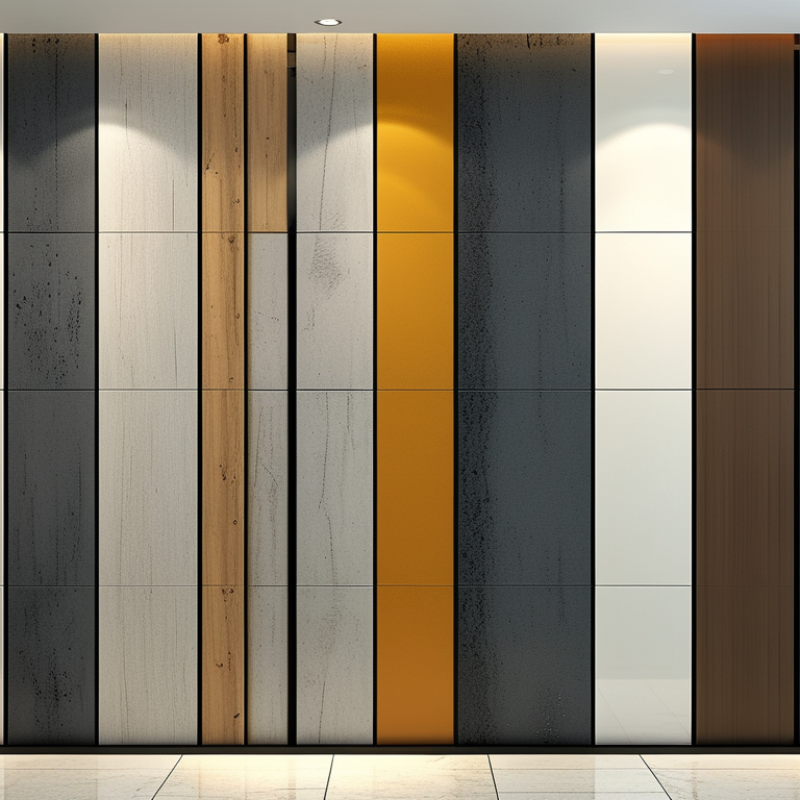
Define Your Wall Paneling Needs and Installation Goals
10 Tips for Choosing the Best Wall Panels
Define Your Wall Paneling Needs and Installation Goals
Before choosing wall panels, identify the room’s real purpose. A bathroom needs moisture resistance, while a hallway may need impact protection. Measure each wall, including doors, windows, outlets, and uneven corners. Small errors can create expensive gaps.
Tip: Write down your priorities. Decide whether appearance, insulation, sound control, cleaning, or durability matters most. You may not need every feature. Clear priorities prevent attractive but unsuitable purchases.
Installation goals should guide the panel type. Ask whether you will install the panels yourself or hire an experienced installer. Check the wall surface for dampness, loose plaster, dust, or movement. Panels cannot hide every structural problem. Sometimes, they make it more visible.
I once underestimated the time needed to prepare an uneven wall. The panels looked simple, but careful leveling took longer than expected. That assumption was wrong. Plan for cutting, adhesive curing, ventilation, and access around sockets. Keep extra material for future repairs, because matching a discontinued finish can be difficult.
Tip: Test a sample in the actual room. View it beside the floor, furniture, and daylight. A surface can look warm in a showroom but appear harsh under cool lighting. Confirm cleaning instructions, fire performance, moisture limits, and installation requirements from reliable technical documents. When uncertain, ask a qualified professional to inspect the wall before ordering.
Compare Panel Materials, Textures, and Visual Styles
10 Tips for Choosing the Best Wall Panels?
Compare Panel Materials, Textures, and Visual Styles
In renovation projects, I compare the panel material before admiring its appearance. Solid wood offers warmth, while engineered wood can provide steadier dimensions. PVC handles moisture well, but its surface may feel less natural. Gypsum-based panels create refined depth and can support acoustic designs. Check product documentation for moisture resistance, emissions, maintenance, and local fire requirements. Do not rely on a showroom sample alone.
Feel the surface. Texture changes the room’s mood. Deep grooves add shadow, while fine linen patterns look calmer and collect less visible dust. Matte finishes hide fingerprints better than glossy ones. Light changes everything. View samples beside a window and under evening lighting. A beautiful panel can look strangely cold after installation. I have made that mistake.
Match the visual style to the room’s architecture. Vertical lines can make a low ceiling feel taller, while broad panels create a quieter, more continuous background. Compare color undertones with the floor, furniture, and trim. Measure wall irregularities before choosing rigid panels. Confirm edge details, joint visibility, cleaning methods, and replacement availability. In damp areas, leave suitable expansion space and follow the installation instructions carefully. Panels are not magic. Even premium materials can fail when the wall is uneven or ventilation is poor. Consider a small test section before committing to the full wall.
Evaluate Durability, Maintenance, and Environmental Conditions
Durability should be judged against the room’s real conditions, not only a product sample. In wet bathrooms, choose panels with low water absorption, sealed edges, and corrosion-resistant fixings. ASTM E96 testing can indicate water-vapor transmission, while ASTM D2247 exposure testing helps assess moisture resistance. These numbers are useful, but installation quality still matters. A small gap behind a panel can trap condensation.
Maintenance deserves equal attention. Smooth, non-porous surfaces usually need less effort than textured finishes. Ask how the panel responds to mild detergent, repeated cleaning, and accidental impacts. The U.S. Environmental Protection Agency reports that indoor pollutant levels can be two to five times higher than outdoor levels. Dust-catching surfaces may worsen this problem. Look for documented emissions testing, such as chamber results under recognized indoor-air standards. Do not rely on “eco-friendly” wording alone.
Environmental conditions can change over a panel’s service life. The 2023 Global Status Report for Buildings and Construction states that buildings produce about 37% of global energy-related and process emissions. Select panels with recycled content, verified environmental declarations, and a realistic service-life record. Check temperature swings, sunlight, humidity, and cleaning frequency before comparing costs. A cheap panel may require early replacement. That is not always cheaper. I would also inspect one installed sample after several months. Laboratory results cannot fully predict careless sealing, uneven walls, or daily wear.
Check Dimensions, Compatibility, and Installation Requirements
10 Tips for Choosing the Best Wall Panels
Measure each wall at several points, because corners are rarely perfectly square. Record height, width, door openings, windows, and exposed outlets. Buy enough material for cuts and accidental damage. A small spare panel can save a frustrating repair later. Check the panel’s actual dimensions, not only the advertised coverage. I once trusted a rough measurement and created an awkward seam near a doorway.
Inspect the wall surface before choosing a panel system. Drywall, masonry, tile, and damp areas may require different fasteners or preparation. Confirm compatibility with the recommended adhesive, screws, trims, and backing materials. Panels near sinks, showers, or heaters need suitable moisture and heat resistance. Check expansion gaps, joint placement, and edge profiles in the installation guide. Do not assume every panel can cover uneven surfaces. That assumption can become expensive.
Review the installation requirements before ordering. Note required tools, cutting methods, curing time, ventilation, and minimum working temperature. Heavy panels may need two people, especially on ceilings or tall walls. Locate pipes and electrical cables before drilling. Test one small section first, preferably in a hidden corner. It reveals dust, color variation, and fitting problems early. Follow local building requirements where applicable, but question unclear instructions. I have learned that a quick installation is not always a careful one. Allow extra time for leveling, cleanup, and adjustments.
10 Tips for Choosing the Best Wall Panels
Use this checklist to compare dimensions, compatibility, durability, and installation requirements before purchasing wall panels.
The chart shows the number of practical verification points for each selection area. Confirm panel size, substrate condition, moisture exposure, fixing method, and maintenance needs before installation.
Review Costs, Safety Features, and Supplier Reliability
Choosing wall panels is less about a low invoice than the cost recorded over time. Request itemized quotes covering panels, trims, adhesives, delivery, cutting, and installation. A cheap surface can become expensive when damaged edges require replacement. Compare at least three written estimates. Check panel thickness, coverage, warranty terms, and expected service life. Ask whether prices change with batch size or shipping distance. Leave room for waste. In my projects, I have seen attractive samples hide costly preparation work. One supplier omitted leveling materials from its estimate, and the final budget shifted. That mistake was partly mine; I should have asked for a complete installation schedule.
Safety needs evidence, not reassuring language. Request current test documents for fire performance, moisture resistance, slip risk where relevant, and indoor emissions. For wet rooms, inspect sealed joints and cleanable surfaces. For busy corridors, examine impact resistance at corners. Use trained installers who can explain substrate preparation and ventilation. Do not accept certificates without matching product details. Supplier reliability appears in small details. Can they provide samples, technical drawings, batch information, and delivery dates? Call recent customers, not only references chosen by the salesperson. I once trusted a confident delivery promise and faced a silent two-week delay. A written escalation contact would have helped. Still, no supplier is perfect. Look for honest answers, documented limits, responsive support, and a replacement process that works in practice.