Sourcing Aluminum Tube Extrusions in 2026 requires more than comparing supplier prices. Buyers must connect design requirements with reliable production capabilities. Alloy selection, temper, wall thickness, outside diameter, and dimensional tolerances can affect strength, weight, and assembly performance. A tube used in a lightweight frame needs different priorities than one exposed to heat, moisture, or repeated vibration. Small details matter.
Experienced purchasing teams usually begin with a clear technical drawing and realistic annual volume. They request samples before approving mass production. Sample inspection should cover surface finish, straightness, cut length, hardness, and internal dimensions. Ask suppliers for test reports, quality certificates, and traceable material records. Factory audits can reveal outdated presses, weak inspection routines, or overloaded production schedules. These findings are often missed in online quotations.
Price still matters. It should not lead the decision alone. A cheaper quote may exclude tooling, packaging, testing, or export handling. Calculate the total landed cost, including freight, duties, rework, and possible delays. Supplier communication also deserves attention. Can the team explain extrusion defects clearly? Can it respond when tolerances fail? Not every supplier will provide perfect answers. That is a useful warning, not a minor inconvenience. Buyers should compare production capacity, delivery history, engineering support, and responsible sourcing practices. Environmental claims need evidence, such as recycled-content records or energy data. In 2026, the strongest sourcing strategy will balance technical accuracy, commercial discipline, and long-term trust. Mistakes may still happen. Careful verification makes them less expensive.
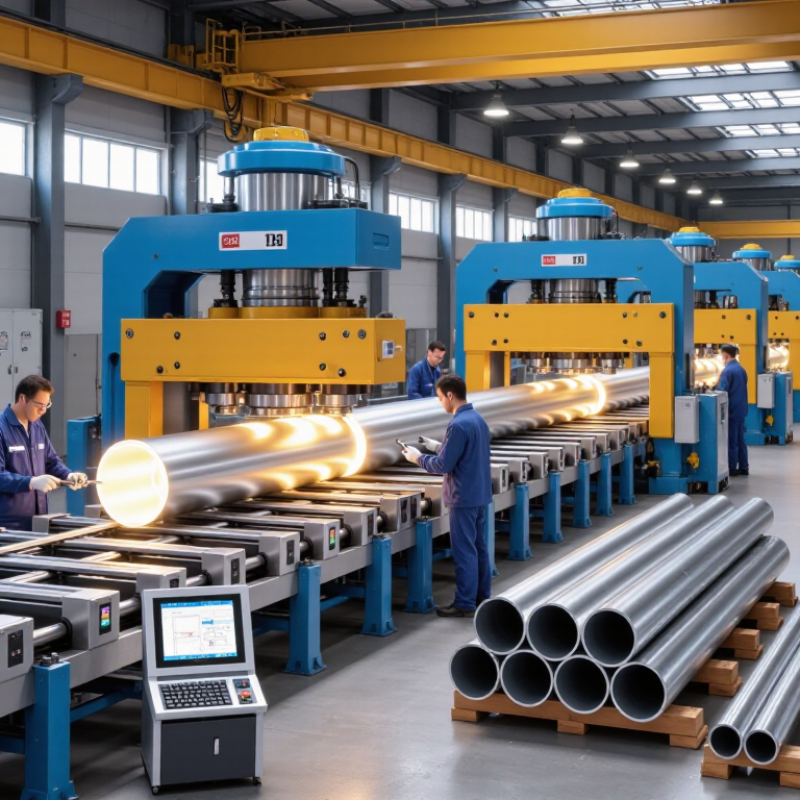
Aluminum tube extrusions are hollow profiles formed by pushing heated aluminum through a shaped die. Their cross-sections may be round, square, rectangular, or custom-designed. Common alloys balance strength, weight, corrosion resistance, and machinability. Wall thickness, outside dimensions, temper, and tolerance affect performance. A neat specification sheet can still hide costly details.
These extrusions appear in HVAC frames, solar structures, furniture, handrails, machine guards, and lightweight transport equipment. They also support cable routing and protective enclosures. However, not every tube fits pressure, heat, or food-contact applications. Sourcing teams should request drawings, alloy information, dimensional reports, surface-finish details, and sample lengths. Small errors can cause assembly gaps. I have seen attractive profiles fail because the inner radius was overlooked.

How to Source Aluminum Tube Extrusions in 2026?
Begin with a controlled tube specification, not a general product name. Record outside diameter, inside diameter, wall thickness, and allowable variation. Include tube length, cut tolerance, straightness, corner radius, and surface requirements. A 50 mm tube can fail if its wall varies by only a few tenths of a millimeter. State whether the profile is round, rectangular, oval, or custom-shaped. Add the assembly load, operating temperature, and joining method. These details guide the extrusion design and prevent expensive revisions.
Alloy and temper must match the working environment. Common choices include 6061 for strength and 6063 for smooth, attractive surfaces. For demanding applications, compare yield strength, corrosion resistance, weldability, and machinability. Temper conditions such as T5, T6, or T66 can change performance significantly. Do not approve an alloy from a catalog description alone. Request mechanical test data and a material certificate for each production batch.
Performance standards should be written into the purchase specification. Depending on the market, reference applicable ASTM, EN, or ISO requirements for dimensions, chemistry, mechanical properties, and inspection. Confirm testing methods, sampling frequency, packaging, and traceability. Ask for a first-article sample before full production. Measure it with calibrated tools, then test fit, cut quality, and surface condition. I have seen projects specify tensile strength but ignore straightness. That mistake caused assembly delays. A small omission matters. Review the drawing with the extruder before ordering, because manufacturability can expose weaknesses in an otherwise careful design.
Identify the required tube dimensions, alloy, temper, and performance standards before requesting quotations.
Tube dimensions: Define outside diameter, inside diameter or wall thickness, tube length, straightness, concentricity, corner radius, and dimensional tolerances.
Alloy and temper: 6063 is commonly selected for formability and surface finish, while 6061 generally provides higher strength. T5 and T6 indicate different heat-treatment conditions and should not be treated as interchangeable.
Performance standards: Confirm the applicable product and mechanical-property requirements, such as ASTM B221 for extruded aluminum products, ASTM B429 for aluminum-alloy extruded structural pipe and tube, or EN 755-2 for mechanical properties.
Chart values show representative minimum tensile and yield strengths in MPa for commonly specified extruded alloys and tempers. Actual requirements depend on wall thickness, product standard, and the applicable material-property table.
How to Source Aluminum Tube Extrusions in 2026?
A reliable supplier should explain its extrusion process without hiding behind polished brochures. Check press capacity, billet alloy control, die design, and tolerance management. Hollow tube profiles need stable weld lines, consistent wall thickness, and accurate straightness. Ask for a trial sample made with your actual drawing, not a similar catalog shape.
Manufacturing capability also includes finishing and secondary operations. Confirm whether the supplier handles aging, cutting, drilling, anodizing, or powder coating in-house. Review equipment lists, inspection tools, production capacity, and realistic lead times. A factory may accept your order but lack enough press time during peak seasons. That creates delays. Sometimes, the cheapest quote exposes weak process planning.
Quality certifications deserve careful verification. Request current certificates, certification scope, expiration dates, and audit details. ISO 9001 can support process consistency, but it does not guarantee perfect tubes. Ask for mill certificates, dimensional inspection reports, surface-finish records, and batch traceability. Independent material testing can confirm alloy, hardness, and tensile strength. Keep sample records beside your purchase specifications.
Visit the facility when the order is important. Watch how operators measure wall thickness and isolate nonconforming pieces. A clean floor helps, but disciplined records matter more. One practical lesson is uncomfortable: an impressive first sample can still hide unstable production. Require a pilot batch and define acceptance limits before mass manufacturing. Some requirements may change after testing, so leave room for honest technical review.
A strong quotation compares more than price per kilogram. The U.S. Geological Survey’s Mineral Commodity Summaries 2025 estimated global primary aluminum output at about 72 million metric tons in 2024. Supply is broad, but regional capacity still affects pricing and lead times.
Request a line-by-line quote covering alloy, temper, tube dimensions, tolerances, surface finish, packaging, and freight. Compare at least three suppliers using the same drawing and annual volume. A cheap quote can hide higher scrap rates or unstable delivery terms.
Minimum order quantities need careful review. Ask whether the MOQ applies to one profile, one finish, or the entire purchase order.
Tooling costs should state the die material, design responsibility, correction policy, storage period, and ownership. A supplier may offer free tooling, but recover that cost through a higher unit price.
The International Aluminium Institute reports that recycling requires substantially less energy than primary production, so recycled content can influence both cost and sustainability discussions. Yet recycled billet may affect cosmetic consistency. Confirm acceptable variation before approval.
Tips:
Request samples from production tooling, not a laboratory mock-up. Put alloy certificates, inspection reports, Incoterms, payment stages, and late-delivery remedies in writing.
Delivery promises deserve skepticism. Ask for capacity evidence, shipping routes, and a realistic buffer. My checklist still misses occasional port delays and die corrections. That is an uncomfortable gap, but better planning includes it.
Make suppliers quote tooling, aluminum, conversion, packing, and transport separately.
A reliable aluminum tube program starts with a physical sample, not a catalog image. Request samples made with the proposed alloy, temper, tooling, and surface finish. Measure outer diameter, wall thickness, straightness, and cut length with calibrated tools. Check both ends for burrs, dents, and uneven cuts. Ask for a material certificate and test report. A sample can still mislead. One approved piece may hide inconsistent extrusion pressure or unstable cooling.
During production, inspect the first-off pieces before full volume runs. Confirm dimensions at several points along each tube, especially near the beginning and end of the bundle. Review surface marks under bright, angled light. Record inspection results with photographs, lot numbers, and inspector signatures. Independent testing can verify alloy composition, hardness, and mechanical performance. Do not rely on appearance alone. It is easy to overlook small wall variations.
Long-term supply needs more than a low unit price. Define packaging, labeling, tolerances, replacement procedures, and change-approval rules in writing. Request regular process updates when dies, alloys, or equipment change. Keep a retained sample from each accepted lot. Forecast demand early, but avoid unrealistic commitments. Real production sometimes slips. Build a practical buffer for tooling maintenance, transport delays, and rejected material. Review supplier performance quarterly using delivery accuracy, defect rates, response time, and corrective-action quality. Mistakes will happen; unclear records make them expensive.