How to Install Land Drainage Pipe for Effective Water Management
The effective management of surface water and groundwater is crucial in farming and urban planning, particularly in areas susceptible to waterlogging and flooding. According to a report by the Food and Agriculture Organization (FAO), approximately 20% of the world’s agricultural land suffers from salinity and waterlogging, leading to reduced crop yields and economic losses. Implementing a proper land drainage system can mitigate these issues, facilitating better plant growth and efficient water usage.
Installing a land drainage pipe system is one of the most effective solutions to manage water runoff and improve soil health. Studies indicate that well-drained soils can increase agricultural productivity by up to 50% in some regions. Furthermore, the Environmental Protection Agency (EPA) highlights that urban areas, when equipped with efficient drainage solutions, can significantly reduce the risks associated with flooding, thereby protecting infrastructure and reducing maintenance costs.
This article will delve into the step-by-step process of installing land drainage pipes, providing essential insights into effective techniques that enhance water management and safeguard both agricultural lands and urban developments from the detrimental effects of excess water.
Choosing the Right Type of Land Drainage Pipe for Your Project
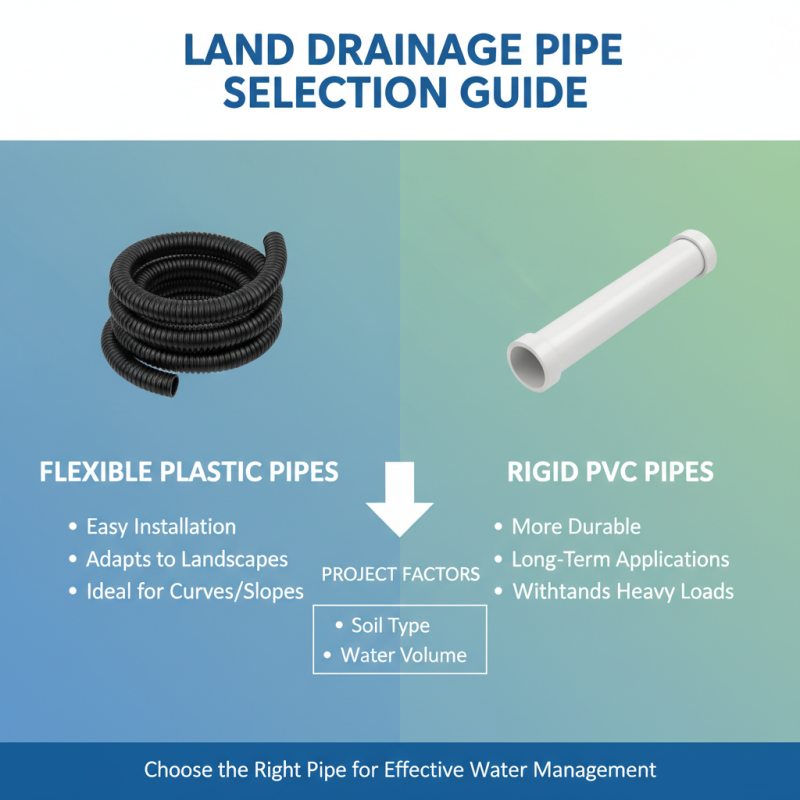
When selecting the right type of land drainage pipe for your project, several factors come into play that can significantly influence the effectiveness of your water management system. The first consideration is the material of the pipe. Common options include flexible plastic pipes and rigid PVC pipes. Flexible pipes are ideal for areas that require easy installation and can adapt to varying landscapes, while rigid pipes generally provide more durability and are better suited for long-term applications where heavy loads may be a concern.
Additionally, the diameter of the drainage pipe is crucial for ensuring adequate flow capacity. A larger diameter pipe can handle more water and is preferable in regions with heavy rainfall or poor drainage conditions. Conversely, smaller diameter pipes might be sufficient for managing lighter moisture levels in less prone areas. It's also essential to consider the local soil type and the project's specific drainage requirements. Sandy soils, for example, drain quickly and may require fewer or smaller pipes, while clay soils retain water, necessitating a more robust drainage system. Understanding these elements will guide you to the most appropriate choice for your land drainage project.
Understanding Soil and Site Conditions for Effective Drainage
Understanding soil and site conditions is crucial for effective drainage. The first step in assessing soil conditions is to conduct a soil test, which provides valuable insights into its composition, texture, and drainage capacity. Sandy soils typically facilitate quicker drainage, whereas clay soils can retain water, leading to potential pooling issues. Understanding this will help in determining the appropriate type of drainage system needed for your specific situation.
Additionally, site conditions such as topography and vegetation play a significant role in drainage effectiveness. Sloped areas naturally promote water runoff, while flat terrains may require a more elaborate drainage plan to prevent water accumulation. The type of vegetation present can also influence water management; deep-rooted plants can help absorb excess moisture, while certain surface cover can protect the soil from erosion. By considering these factors together, one can devise a comprehensive drainage strategy that effectively manages water on the site.
How to Install Land Drainage Pipe for Effective Water Management - Understanding Soil and Site Conditions for Effective Drainage
| Soil Type |
Drainage Depth (ft) |
Recommended Pipe Size (in) |
Installation Angle (degrees) |
Average Cost per Linear Foot ($) |
| Clay |
3 |
4 |
2 |
10 |
| Sand |
4 |
6 |
1 |
12 |
| Silty Soil |
2 |
4 |
2 |
15 |
| Loamy Soil |
3 |
6 |
1.5 |
14 |
| Rocky Soil |
5 |
8 |
2.5 |
20 |
Step-by-Step Installation Process for Land Drainage pipes
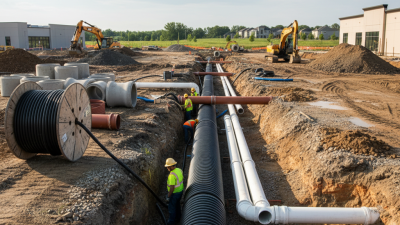
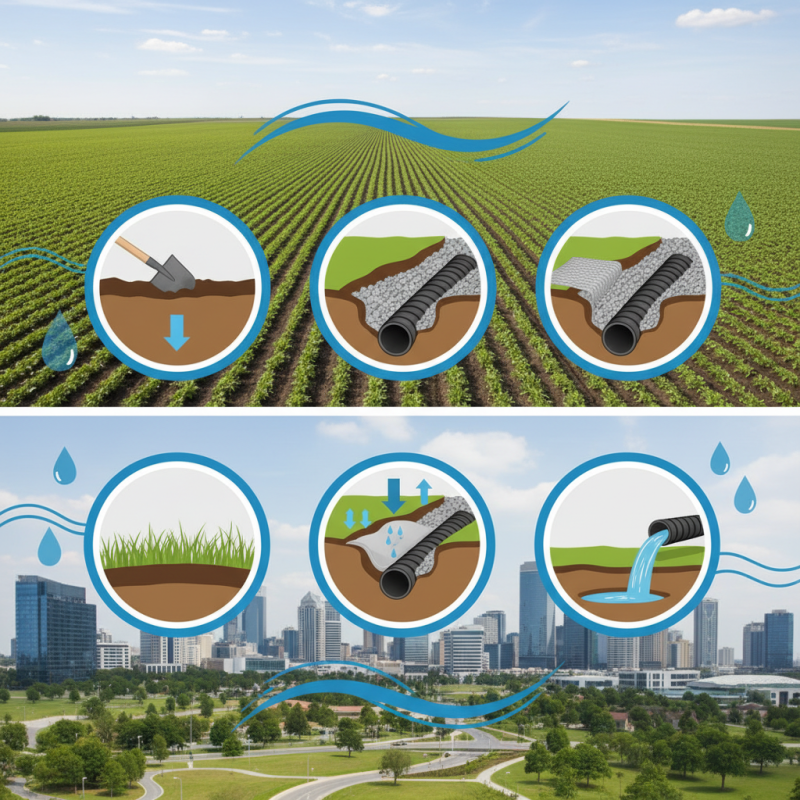
Installing land drainage pipes is an essential process for effective water management, especially in areas prone to waterlogging. To begin, choose the appropriate location and layout for your drainage system. Mark the area where you plan to install the pipes, ensuring to account for existing water flow patterns and slopes in the landscape. A slight gradient is crucial as it facilitates proper drainage.
Dig a trench for the drainage pipes, typically around 12 to 18 inches wide and about the same depth, depending on the soil conditions and local regulations.
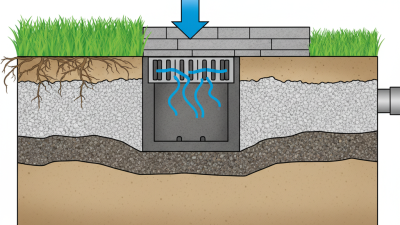
Once the trench is prepared, lay a layer of gravel or crushed stone at the bottom to create a stable base for the drainage pipes. This layer aids in filtration and prevents sediment buildup. Place the perforated drainage pipes on top of the gravel, ensuring that the holes face downward to encourage water flow into the pipe. As you cover the pipes, add more gravel around and above them, leaving a couple of inches of space for soil to be added later. Finally, fill the trench with soil, using the remaining excavated material, and compact it gently to restore the surface area. This step ensures that the land is stable and ready for future use while effectively managing excess water through your new drainage system.
Calculating Drainage Needs: Flow Rates and Pipe Capacity Considerations
When it comes to installing land drainage pipes, understanding the flow rates and pipe capacity is crucial for effective water management. According to the USDA's Natural Resources Conservation Service, the design of drainage systems must account for specific soil types, vegetative cover, and the area’s hydrology. For example, sandy soils have higher infiltration rates, necessitating drainage systems that can accommodate larger volumes of water in shorter timeframes. A well-calculated drainage system can significantly reduce the risk of waterlogging, which affects agricultural productivity and infrastructure.
When calculating drainage needs, determining the expected runoff is essential. Research indicates that a one-inch rainfall event on a 1-acre field can produce approximately 27,154 gallons of runoff. Based on this figure, selecting the right diameter for the drainage pipe is paramount. Typically, a 4-inch diameter pipe can handle around 1.2 gallons per foot, while a 6-inch pipe can manage around 2.8 gallons per foot. These capacities highlight the importance of assessing anticipated rainfall and the areas needing drainage to ensure that flow rates do not exceed what the installed pipes can handle, ultimately promoting efficient water management and minimizing potential flooding issues.
Maintenance Tips for Longevity of Land Drainage Systems
Maintaining a land drainage system is essential for ensuring its longevity and effectiveness. Regular maintenance can prevent clogs and extend the life of the drainage pipes, ultimately facilitating better water management in your agricultural or landscaping projects. Here are some tips to help keep your drainage system in top shape.
One key tip is to perform routine inspections of your drainage pipes. Check for any signs of damage or blockage, such as unusual pooling of water or sediment build-up. If you notice any issues, address them promptly. It may be helpful to use a video inspection camera to see the inside of the pipes without the need for invasive digging. Additionally, consider flushing the system with water annually to clear out any minor obstructions.
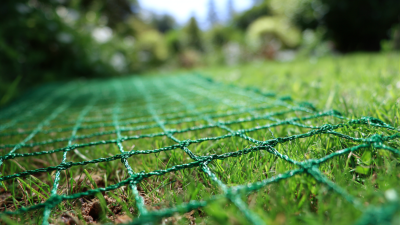
Another important aspect of maintenance is vegetation management. Keep the area surrounding your drainage system clear of debris, leaves, and any overgrown plants or roots that could infiltrate the pipes. Installing a mesh or grate around the drainage outlets can help prevent larger debris from entering the system. Lastly, ensure that any outlet areas are not obstructed by soil or sediment, allowing for a smooth flow of water away from your property. Regular attention to these maintenance aspects will safeguard the efficiency of your land drainage system for years to come.
Water Management Efficiency in Land Drainage Systems