Pease Pottage 01403 275 276
Petersfield 01730 777 350
Maidstone 01795 843 866
Cullompton 01884 211 788

How to Source Zirconia Zircone from Global Suppliers?

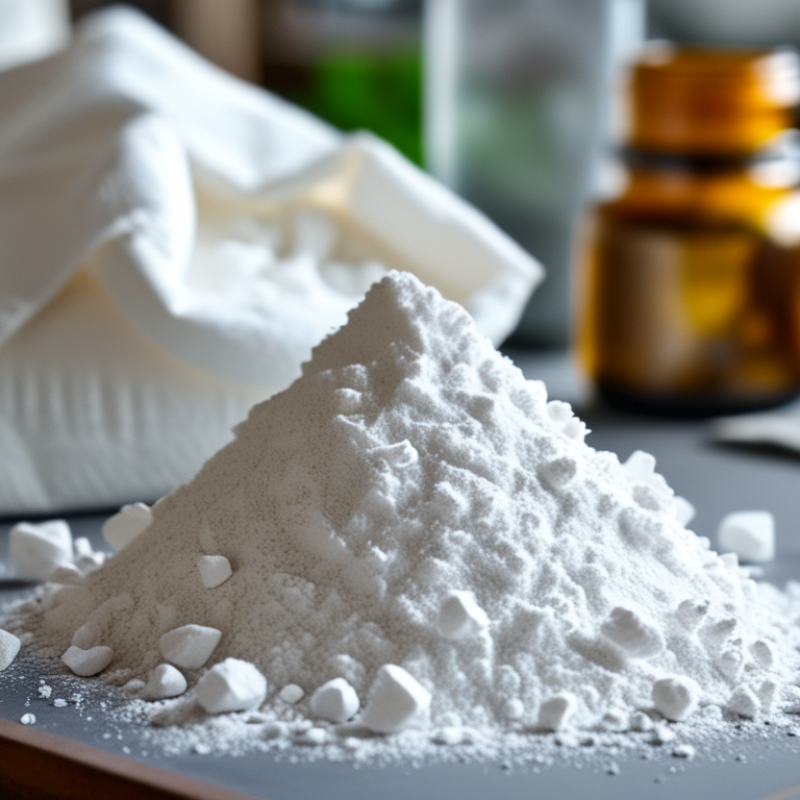
Sourcing Zirconia Zircone globally is not simply a price exercise. It is a technical verification process. Buyers must connect powder grade, manufacturing control, documentation, and delivery reliability. A low quotation can hide unstable particle size, unclear yttria content, or inconsistent batch performance.

W. Edwards Deming, a respected quality-management authority, stated, “Quality comes not from inspection, but from the improvement of the production process.” Although Deming was not a Zirconia specialist, his principle remains highly relevant. Strong suppliers should explain how they control calcination, milling, contamination, packaging, and lot traceability. Their answers should be specific.

Ask for recent certificates of analysis, safety data sheets, phase-composition results, particle-size distribution, and impurity limits. Compare those records with an independently tested sample. A white powder in a sealed bag proves very little. It may still produce different shrinkage during sintering.

Look beyond websites and polished brochures. Review production capacity, export experience, technical support, and complaint-handling procedures. Confirm whether the quoted grade matches your application, such as dental ceramics, structural components, refractories, or advanced coatings. A supplier may offer “high purity” material, but that phrase needs measurable limits.

Small inconsistencies matter. Different batch numbers can reveal weak process control. Communication delays may also signal future trouble. Still, no supplier looks perfect on paper. Good sourcing includes reflection, trial orders, and documented acceptance criteria. The safest decision combines technical evidence, commercial clarity, and direct experience with the material.
How to Source Zirconia Zircone from Global Suppliers?

Defining Zirconia Zircone Types, Grades, and Applications

How to Source Zirconia Zircone from Global Suppliers?

In procurement discussions, “zirconia” and “zircone” are sometimes used interchangeably. That can create costly confusion. Zirconia is zirconium dioxide, or ZrO2. Zircon is zirconium silicate, or ZrSiO4, often used as a raw material for zirconia production and ceramic bodies. Always confirm the chemical formula, certificate, and intended process before comparing quotations.

Zirconia types include unstabilized, yttria-stabilized, magnesia-stabilized, and ceria-stabilized grades. Stabilization improves resistance to cracking during heating and cooling. Common grades contain different purity levels, particle sizes, and stabilizer percentages. Fine powders suit advanced ceramics and dental components. Coarser grades support refractories, foundry coatings, and grinding media. Thermal barrier coatings and oxygen sensors require carefully controlled compositions. Small differences matter.

Ask suppliers for recent test reports, not only catalog claims. Check zirconia content, hafnium level, moisture, loss on ignition, and particle-size distribution. Production experience also matters because powder flow can change during storage. I once reviewed a “high-purity” specification that omitted stabilizer content. It looked acceptable, but the grade was unsuitable for precision sintering. That mistake is easy to repeat. Request samples, run a small trial, and compare shrinkage, density, and final strength before placing a large global order.

How to Source Zirconia Zircone from Global Suppliers?

Defining zirconia and zircon types, grades, and applications is essential when comparing global supply options. The chart below shows representative density values for commonly sourced zircon-based materials.

How to interpret the data: Zircon is zirconium silicate (ZrSiO₄), commonly used in foundry sands, ceramic opacifiers, refractories, and investment casting. Zirconia is zirconium dioxide (ZrO₂), supplied in monoclinic, partially stabilized, or fully stabilized grades for advanced ceramics, thermal-barrier coatings, refractory products, and oxygen-sensing components. Actual values may vary with purity, stabilizer content, porosity, and processing route.
Zircon
ZrSiO₄; valued for refractoriness, chemical stability, and low thermal expansion.
Monoclinic Zirconia
ZrO₂; used in refractories, pigments, ceramics, and zirconia-based intermediates.
Yttria-Stabilized Zirconia
Typically 3–8 mol% Y₂O₃; used in structural ceramics, thermal barriers, and electrochemical devices.

Identifying Global Suppliers and Verifying Their Credentials

When sourcing zirconia, supplier discovery should begin with evidence, not attractive product pages. Search regional manufacturers, processors, and technical distributors through trade directories, industry exhibitions, and professional referrals. A reliable supplier should clearly state zirconia grade, purity, particle size, packaging, and intended application.

Ask for evidence.

Request a current certificate of analysis for each proposed grade. Compare zirconium oxide content, impurities, moisture, particle distribution, and testing methods.

Confirm whether an independent laboratory issued the report. Check the supplier’s business registration, quality certificates, factory address, and export experience. Certificates can expire. Verify them directly with the issuing organization when possible.

Traceability matters when material crosses borders.

Ask for batch numbers, production dates, safety data sheets, invoices, and transport documentation. Confirm that the supplier follows applicable chemical, customs, and workplace safety requirements in both countries.

A remote factory audit can reveal simple details, such as unlabeled drums or poor storage conditions. These details matter.

Request a small sample before negotiating volume. Test it under your actual processing conditions, because identical specifications may perform differently.

I once treated paperwork as proof of quality; that assumption was too generous.

A supplier may communicate well yet lack stable production controls. Keep records of every call, document revision, sample result, and corrective response. Review the supplier again after the first shipment.ulluunniit

Comparing Product Quality, Specifications, and Compliance Standards

Sourcing zirconia from global suppliers requires more than comparing quoted prices. Product quality should match the intended application, such as dental ceramics, technical components, or wear-resistant parts. Check zirconium dioxide purity, stabilizer content, crystal phase, particle size, moisture, and sintering behavior. A reliable supplier provides a current certificate of analysis for each lot. Ask for test methods, not only headline values.

Specifications can look similar while performance differs in production. Confirm powder grade, packaging size, shelf life, recommended sintering temperature, and tolerance limits. Request samples from several production batches. Measure flowability and density under your own process conditions. This is where sourcing becomes practical.

A small sample may perform well, yet a later batch may reveal variation. That possibility deserves attention.

Tips: Verify traceability from raw material to shipment. Review the safety data sheet, technical data sheet, and quality certificates. Check whether the supplier follows relevant quality systems, export rules, chemical registration requirements, and destination-market standards. An independent laboratory can confirm critical properties before approval. Do not accept vague claims such as “medical grade” without documented specifications and permitted use. Some buyers focus heavily on purity and overlook contamination risks from packaging or handling. That oversight can be costly. Keep written records of audits, test results, corrective actions, and supplier communication.

Evaluating Pricing, Shipping Terms, and Import Requirements

How to Source Zirconia Zircone from Global Suppliers?

Pricing for zirconia zircone should be compared on a landed-cost basis, not only by quoted price per kilogram. Request the purity, particle-size range, stabilization grade, packaging weight, and minimum order quantity. A low price may hide testing fees, reinforced bags, or costly small-batch production. Ask for a recent certificate of analysis and check whether its results match your required specification. Small differences matter.

Shipping terms can change the real budget. Under EXW, the buyer usually manages pickup, export handling, and international freight. FOB may offer clearer port-cost control, while CIF includes freight and insurance to the destination port. Confirm who pays unloading, customs clearance, storage, and destination delivery. Transit time also deserves attention. Powder can arrive with damaged bags or moisture exposure if packaging is poorly selected. It happens.

Import preparation requires more than an invoice. Confirm the correct tariff classification with a qualified customs broker in the destination country. Prepare the commercial invoice, packing list, certificate of origin, safety data sheet, and certificate of analysis. Some markets may require chemical registration, conformity documents, or importer permits, depending on the material grade and end use. Do not assume DDP removes every responsibility; local import rules can still place obligations on the buyer. A pre-shipment document review often prevents expensive delays, although it cannot eliminate every customs question.

Finalizing Samples, Contracts, and Long-Term Supply Plans

How to Source Zirconia Zircone from Global Suppliers?

Finalizing samples is more than checking a white powder under laboratory lights. Experienced buyers compare purity, particle-size distribution, moisture, surface treatment, and sintering behavior. Request samples from the same production lot whenever possible. A beautiful test result means little if the next shipment behaves differently.

Record every processing detail. Include milling conditions, firing temperature, shrinkage, strength, and surface finish. Ask for a certificate of analysis and confirm its test methods. We once approved a sample that performed well in pressing but caused uneven flow during factory handling. That mistake changed our evaluation process. Testing must reflect real production, not only laboratory conditions.

Contracts should define specifications, packaging, inspection rights, delivery terms, payment stages, and remedies for nonconforming material. State how lot samples will be retained. Require advance notice for changes in raw materials, equipment, or manufacturing locations. Keep the language measurable. “Stable quality” is too vague.

Long-term supply planning needs more than an attractive price. Review monthly capacity, normal lead time, reserve inventory, transport risks, and emergency allocation procedures. Share a realistic demand forecast, but avoid promising volumes your factory cannot support. Include a price-review mechanism tied to documented cost changes. Schedule technical reviews every few months. Plans become outdated. A supplier may grow, while your process changes quietly. Recheck the material before each major production increase.

How to Source Zirconia Zircone from Global Suppliers? - Finalizing Samples, Contracts, and Long-Term Supply Plans

Sourcing Stage Supplier Profile Material and Grade Technical Requirements to Verify Sample Plan Indicative MOQ Typical Lead Time Commercial Basis Contract and Long-Term Supply Actions
1. Market Screening Supplier A
Asia-Pacific production base
Yttria-stabilized zirconia powder
3 mol% Y2O3
ZrO2 plus HfO2 typically above 98%; controlled yttria content; low alkali and iron contamination; documented particle-size distribution 0.5–1.0 kg laboratory sample with certificate of analysis 100–500 kg for pilot orders 3–6 weeks after technical approval Indicative bulk range: USD 12–35/kg, depending on purity, particle size, surface treatment, and order volume Request production flow, quality certificates, annual capacity, export documentation, and recent batch data before shortlisting
2. Alternative Material Check Supplier B
European production or distribution base
High-purity monoclinic or partially stabilized zirconia powder Phase composition by X-ray diffraction; BET surface area; moisture; loss on ignition; median particle size; sintering behavior 250–500 g sample plus technical data sheet 25–100 kg for specialty grades 4–8 weeks, subject to production allocation Indicative bulk range: USD 20–60/kg for specialty or high-purity grades Use as a technical backup source; compare phase stability, powder morphology, packaging, and regulatory documentation with the primary source
3. Zircon Feedstock Option Supplier C
Mineral-sands or zircon concentrate source
Zircon sand or zircon flour
ZrSiO4, not zirconia
ZrO2 plus HfO2 content; TiO2, Fe2O3, Al2O3, and moisture; mesh distribution; radioactive-element compliance where applicable 1–2 kg representative sample from a sealed production lot 20–25 metric tons for containerized mineral shipments 4–10 weeks, including inspection and export preparation Indicative bulk range: USD 1,200–2,500/metric ton, depending on grade, origin, and freight conditions Confirm whether the application requires zircon or processed zirconia; specify mineral-origin documents and prohibited-contaminant limits in the purchase specification
4. Sample Evaluation Approved sample set
Two or three shortlisted sources
Application-specific zirconia grade Compare chemical assay, phase composition, particle-size distribution, flowability, compaction behavior, green strength, shrinkage, density, and final mechanical performance Use at least three production-representative lots per source where possible Pilot quantity: 25–100 kg per candidate 6–10 weeks for testing, review, and corrective actions Testing cost separated from material price; agree on responsibility for laboratory and freight charges Approve a reference sample, retain sealed comparison material, define acceptance tolerances, and prohibit formulation changes without written notice
5. Quality Agreement Primary supplier and qualified backup supplier Approved zirconia or zircon grade with fixed specification Defined limits for purity, stabilizer level, moisture, particle size, phase content, packaging weight, labeling, and batch traceability No additional sample unless a raw material, process, site, or specification changes Based on forecast and production capacity; commonly 1–5 metric tons for recurring powder supply 4–8 weeks for standard replenishment Use a formula-based review for major changes in energy, freight, or mineral-feedstock costs rather than unrestricted price adjustments Include audit rights, certificate-of-analysis requirements, nonconformance handling, change-control notice, recall responsibility, and corrective-action deadlines
6. Contract Finalization Selected supplier
Primary allocation source
Commercially approved material and packaging format Lot size, test methods, document language, shelf life, storage conditions, hazardous-goods status if applicable, and export classification One pre-shipment production lot may be inspected before the first commercial delivery Agree fixed minimum order and quarterly forecast band Delivery window specified in the contract, normally 30–60 days Prefer FCA, FOB, CIF, or DAP terms according to freight-control capability; define currency, payment milestone, and inspection point Set service-level targets, late-delivery remedies, title and risk transfer, insurance, force-majeure limits, confidentiality, and dispute resolution
7. Long-Term Supply Plan Primary source plus regional backup Approved grade with dual-source compatibility Annual capacity, contingency stock, geographic risk, port exposure, raw-material dependency, quality history, and financial or operational resilience Quarterly verification sample from routine production lots Annual volume commitment divided into monthly or quarterly releases Maintain 8–12 weeks of safety stock for critical grades where storage conditions permit Review pricing quarterly or semiannually; link adjustments to documented freight, energy, or feedstock movements Qualify a backup source, conduct an annual supplier review, audit delivery performance, and refresh the risk register at least twice per year
8. Receiving and Monitoring Approved supplier network Each commercial batch of zirconia or zircon Packaging integrity, lot identity, certificate match, moisture, visual contamination, particle-size confirmation, and periodic independent laboratory testing Retain a representative sample from every received lot according to internal quality procedures Release only against the purchase order and approved specification Incoming inspection normally completed within 1–5 working days Track landed cost, rejection rate, on-time delivery, claims, and inventory carrying cost Use monthly supplier scorecards with targets for quality acceptance, delivery reliability, response time, documentation accuracy, and corrective-action closure
Note: Zirconia is zirconium dioxide (ZrO2), while zircon is zirconium silicate (ZrSiO4). Prices, minimum order quantities, and lead times shown above are indicative planning ranges and should be confirmed through current quotations, technical data, and applicable Incoterms.

Article Source: