Why Does a Geyser Pressure Valve Leak?
A few drops beneath a geyser can seem harmless, especially when the water is clear and the unit still heats normally. Yet a leaking Geyser Pressure Valve deserves attention because it helps relieve excess pressure or temperature inside the tank. A brief release during heating may be normal on some systems. That matters. But steady dripping, a persistent stream, or water collecting around the outlet pipe can signal a problem that needs investigation.
The pattern offers useful clues. Note when the leak appears, how often it returns, and whether the water feels hot. Do not touch the discharge pipe to test it; escaping water can cause burns. A valve may leak because of wear, mineral deposits, excessive pressure, or repeated operation. In some homes, thermal expansion can also contribute, but the cause cannot be confirmed from a drip alone. That distinction is easy to miss.
This guide explains common reasons a Geyser Pressure Valve leaks and what those signs may mean. It also separates occasional discharge from a continuing leak, so readers can describe the issue clearly to a qualified plumber. Do not ignore it. Avoid blocking or capping the outlet, since that can prevent safe pressure relief. If water flows continuously, the leak worsens, or the geyser shows other faults, switch off the unit only if you can do so safely, then seek professional assessment. A careful diagnosis is more reliable than replacing parts based on guesswork.
How a Geyser Pressure Relief Valve Works
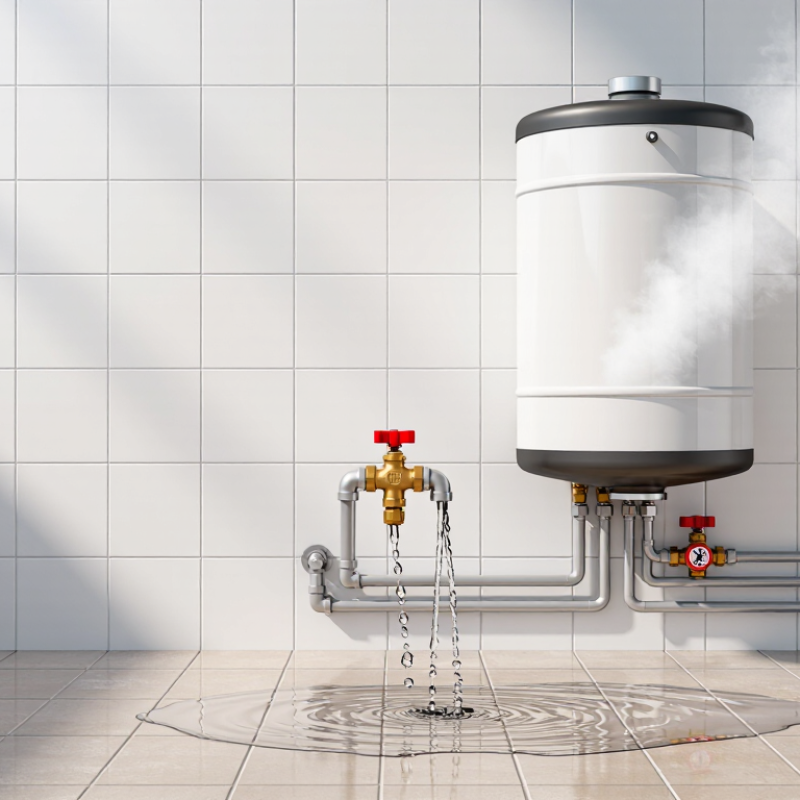
A geyser pressure relief valve is a safety device, not an ordinary drain. As water heats, it expands and pressure rises inside the tank. If pressure or temperature exceeds the valve’s set limit, a spring-loaded mechanism opens and sends water through the discharge pipe. You may see a brief trickle during heating. That can be normal, but ongoing dripping deserves attention.
A steady leak may point to excessive supply pressure, a failing expansion-control component, sediment on the valve seat, or a worn valve. The details matter: note whether water appears only while heating, whether it is hot, and where it exits. I have seen a small drip mistaken for a broken valve, though the underlying pressure issue remained. Don’t cap or block the outlet; it must stay clear so the valve can release pressure. If discharge is constant, unusually hot, or forceful, arrange an inspection by a qualified technician.
Tips: Keep the discharge pipe unobstructed, and never place your hand under hot water. Take a photo of the leak and note when it happens. Avoid repeatedly testing or dismantling the valve; that can worsen a leak, and it may not reveal the real cause.
Why Does a Geyser Pressure Valve Leak? — How a Geyser Pressure Relief Valve Works
| What You Notice | Possible Cause | How the Relief Valve Works | Practical Next Step |
| A small amount of water discharges while the geyser heats, then stops. | Water expands as it heats. In a system where expanding water cannot flow back into the supply, pressure may rise enough to cause occasional discharge. | A temperature-and-pressure (T&P) relief valve opens when pressure or temperature reaches its rated limit, releasing water to reduce the hazard. | Check the geyser instructions and local requirements. A plumber can assess whether the system needs an expansion-control measure. |
| Water drips or flows continuously from the valve outlet. | Possible causes include excessive supply pressure, ongoing overheating, a worn valve seat, or debris preventing the valve from closing fully. | The valve is designed to open under unsafe conditions and reseat when conditions return to a safe range. Persistent discharge should not be treated as normal. | Arrange inspection by a qualified plumber. The cause should be identified before replacing the valve. |
| The discharge occurs with unusually hot water or signs of overheating. | A thermostat or heating-control fault may allow the water temperature to rise too high. | The temperature-sensing element in a T&P valve can open the valve if water reaches its temperature rating. Many residential valves are rated around 99°C (210°F), but ratings vary. | Stop using the geyser if overheating is suspected and contact a qualified service professional. Avoid touching hot discharge water or pipework. |
| The valve leaks after it has opened or after maintenance. | Scale or sediment may be caught on the sealing surface, or the valve may have been damaged or reached the end of its service life. | After releasing pressure or hot water, the valve should close and seal. A damaged or obstructed seat may prevent it from doing so. | Have the valve and geyser checked. Do not dismantle or force the valve closed unless the manufacturer’s instructions specifically direct a qualified person to do so. |
| Water leaks from a pipe connected to the valve outlet. | The outlet pipe may be carrying normal or fault-related discharge, or a pipe joint may be leaking. | The outlet provides a route for discharged hot water to flow safely away from the geyser; it does not stop the valve from opening. | Check visually for the leak source without touching hot water. The discharge pipe must not be capped, plugged, or obstructed. |
Safety note: A pressure relief valve is a safety device, not a routine drain or a leak-control fitting. Never block or cap its outlet. Valve pressure ratings and installation rules vary by geyser and location; consult the unit’s documentation and a qualified plumber.
Common Causes of Pressure Valve Leaks
A leaking geyser pressure valve can point to several different problems, and the drip pattern offers useful clues. A few drops during heating may result from thermal expansion: water expands as it warms, raising pressure inside the tank. That can be normal in some systems. A steady stream is different. It may indicate excessive supply pressure, a faulty expansion control, or a valve that no longer seals properly.
Mineral scale and small pieces of debris can collect on the valve seat, leaving a narrow path for water to escape. Age and corrosion can also weaken the seal. Sometimes the valve is doing its job because the water is overheating; a thermostat or heating control may need attention.
The source can be misleading. Check whether water is coming from the valve outlet or a nearby pipe connection, but avoid touching hot discharge water. The pattern is not always obvious. Note when the leak starts, how long it lasts, and whether the water is hot.
Continuous leakage deserves prompt assessment by a qualified plumber.
Never block or cap the outlet; that can prevent pressure from escaping safely.
How to Identify the Source of the Leak
Why Does a Geyser Pressure Valve Leak? How to Identify the Source of the Leak
Start at the outlet. If water emerges from the pressure-relief valve’s discharge pipe, note whether it drips only while the geyser heats or continues when the water is cool. Brief discharge during heating can relate to thermal expansion; steady flow may indicate excessive pressure, debris on the valve seat, or a worn valve. Never block the pipe. Its job is to release hot water safely.
Dry the surrounding pipes, then check again with a clean tissue. Water at a threaded connection may point to a loose fitting or failed seal, while moisture across the tank body needs prompt professional inspection. Condensation can also imitate a leak, especially on a cold pipe in a humid room. A wet patch alone is not a diagnosis. EPA WaterSense estimates that household leaks overall waste nearly 10,000 gallons of water each year; that figure is not specific to geysers, but it shows why tracing the source matters.
Watch one full heating cycle from a safe distance and note where the first drops appear. If the relief pipe keeps discharging, or water is near electrical components, switch off the power only if safe and contact a qualified technician. Do not touch hot discharge water. That first impression may be wrong; a few careful observations can prevent replacing the wrong part.
Safe Steps to Take When the Valve Leaks
A leaking geyser pressure valve may be releasing excess pressure, responding to overheating, or simply failing with age. A few drops after heating can have different causes from a steady stream, so do not assume the valve is harmless. Never plug, cap, or block its outlet. Hot water and steam can cause severe burns.
Keep children away and avoid touching the valve or discharge pipe. If water is spraying, steaming, or making a loud hissing sound, move away and call a qualified plumber. If it is safe and you know the controls, switch off the heater’s power or gas according to its manual. Do not remove the valve or attempt to drain a hot tank.
The U.S. Consumer Product Safety Commission recommends setting water heaters to 120°F to reduce scald risk; that setting does not replace inspection of a leaking valve. Take a photo from a safe distance and note when the leak occurs.
A plumber can check the valve, thermostat, pressure, and possible sediment buildup. The U.S. Department of Energy estimates that water heating accounts for about 18% of home energy use, so a persistent leak may also waste energy. That figure is a broad household estimate, not a diagnosis of your geyser. I would not wait for the leak to become dramatic; small drips can still signal a problem worth checking.
Repair, Replacement, and Leak Prevention
A leaking geyser pressure valve may be responding to excess pressure, overheating, sediment, or a worn seal. A few drops after water heating can occur as pressure changes, but a steady stream or repeated puddles needs attention. Notice when the leak starts and whether the water feels unusually hot. These details help a qualified plumber diagnose the cause.
Repair depends on the diagnosis. If pressure or temperature is too high, replacing the valve alone may only hide the symptom. A plumber can check the thermostat, incoming water pressure, and expansion control, then replace a damaged valve with one matching the geyser’s specifications. Hot discharge can scald. Don’t touch the outlet, block it, or try to tighten the valve. That matters.
Preventive checks can reduce repeat leaks. Keep the discharge pipe clear and directed safely, and have the valve and pressure controls inspected during routine servicing. In hard-water areas, sediment can build up inside the tank; ask a professional whether flushing is suitable for your unit. It is tempting to call every drip a faulty valve, but the real cause is not always obvious. If water is flowing continuously, arrange prompt professional assessment.