What is a Flexible Drain Pipe and Why Do You Need One?
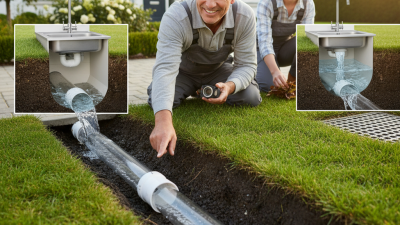
A flexible drain pipe is a vital component in modern plumbing. This type of pipe adapts to various configurations and installations. Its versatility makes it suitable for many situations, from home drainage systems to landscape projects. Homeowners and contractors often choose it for its ease of use and efficiency.
The need for a flexible drain pipe arises from the complexities of different environments. Tight spaces or uneven terrain can complicate conventional piping options. In such cases, a flexible drain pipe can navigate the challenges effectively. Its ability to bend and twist provides the perfect solution for creating a functional drainage system.
However, flexibility also poses concerns. Poor installation or low-quality materials can lead to issues over time. It's essential to choose reliable products and consider professional advice. Reflecting on your options can lead to better decision-making and more robust plumbing solutions, ensuring the longevity of your drainage systems.
Understanding Flexible Drain Pipes: Definition and Purpose
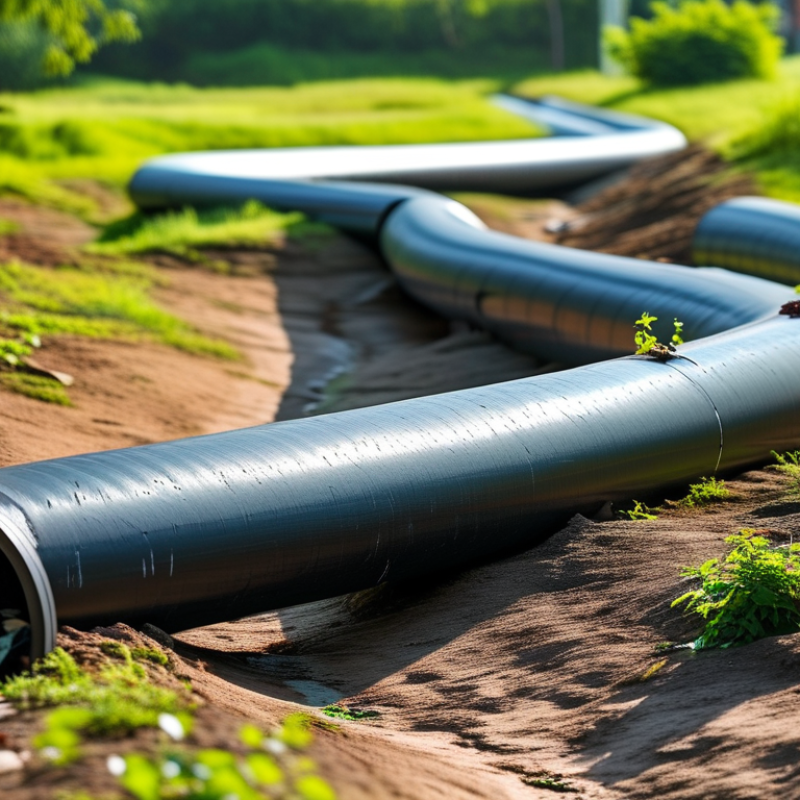
Flexible drain pipes are essential tools in modern plumbing systems. They are designed to adapt to various configurations of drainage needs. These pipes can easily navigate tight spaces and bends that rigid pipes cannot accommodate. A 2021 industry report indicated that approximately 40% of plumbing professionals prefer flexible pipes for home renovations due to their ease of installation.
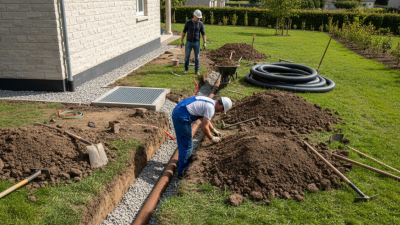
When installing drainage systems, flexible drain pipes provide a reliable solution in numerous scenarios. For example, they are ideal for landscaping projects, allowing water to flow away from structures effectively while preventing erosion. According to a recent survey by the National Association of Home Builders, 68% of contractors reported increased use of flexible systems in new builds to enhance drainage capabilities.
However, challenges come with using flexible pipes. They may not provide the same structural stability as their rigid counterparts. This can lead to concerns about longevity in some applications. Furthermore, improper installation can result in clogs or leaks, impacting their effectiveness. It's crucial to assess these risks and educate installers on best practices. Effective training can help ensure these versatile tools perform as intended.
The Advantages of Using Flexible Drain Pipes in Home and Landscape
Flexible drain pipes offer numerous benefits for both home and landscape applications. Their adaptability allows them to conform to various terrains and obstacles. This flexibility makes installation easier compared to rigid pipes. You can easily maneuver them around tree roots or uneven ground. As a result, homeowners often find that flexible pipes reduce installation time and labor costs.
In landscapes, these pipes provide an effective way to manage water flow. They can be buried beneath the soil or used above ground. This versatility helps redirect rainwater, preventing puddles and erosion. Additionally, they are lightweight, making them simple to transport and install. Many gardeners appreciate how these pipes blend well with natural surroundings. However, sometimes they can be prone to kinking if not properly installed. It's crucial to consider this potential issue to maintain effective drainage.
Moreover, flexible drain pipes typically resist corrosion, ensuring durability over time. They can withstand varying weather conditions, which adds to their reliability. Despite their advantages, some may question long-term effectiveness. Regular maintenance is essential to keep them functioning well. Neglect could lead to clogs or other drainage problems down the line. Simple inspections can go a long way in ensuring their ongoing efficiency.
Common Applications and Uses of Flexible Drain Pipes
Flexible drain pipes offer versatile solutions for various drainage needs. They adapt to changing landscapes and can navigate tight spaces. This flexibility is essential in urban settings, where traditional rigid pipes may not fit.
Common applications include agricultural drainage, where these pipes can follow the contours of the land. They help to direct excess water away from crops, preventing waterlogging. In home construction, they are often used for foundation drainage, allowing for stable structures in wet conditions. Landscaping projects benefit from flexible pipes as well. They manage rainwater run-off effectively, preventing erosion and flooding in gardens.
Another critical use is in plumbing systems. Flexible drain pipes can easily connect to existing frameworks, making repairs and renovations simpler. However, it's essential to ensure proper installation to avoid leaks. Over time, sediment buildup can occur, highlighting the need for regular maintenance. Acknowledging these aspects allows for more effective use of flexible drain pipes in diverse settings.
What is a Flexible Drain Pipe and Why Do You Need One? - Common Applications and Uses of Flexible Drain Pipes
| Application |
Description |
Benefits |
| Agricultural Draining |
Used to manage excess water in agricultural fields, preventing crop damage. |
Enhances crop yield and soil health. |
| Construction Sites |
Flexible drain pipes are used to divert water away from site foundations during excavation. |
Prevents flooding and ensures safety on site. |
| Residential Drainage |
Used in residential areas to manage stormwater runoff effectively. |
Reduces erosion and minimizes water pooling. |
| Irrigation Systems |
Pipes are utilized in irrigation to transport water to plants efficiently. |
Conserves water and promotes healthy plant growth. |
| Flood Control |
Flexible drain pipes help redirect floodwaters to prevent damage to properties. |
Increases property protection and safety during heavy rains. |
Factors to Consider When Choosing a Flexible Drain Pipe
Choosing the right flexible drain pipe requires careful consideration of several factors. First, assess the pipe material. Plastic options are lightweight and corrosion-resistant. Metal pipes, while durable, can be prone to rust. Next, look at the pipe's diameter. A larger diameter allows for better flow but may require more space.
Also, consider the flexibility of the pipe. For installations in tight spaces, a highly flexible option is essential. Take into account the temperature and pressure ratings as well. According to industry reports, pipes that can withstand higher pressures need to be installed correctly to avoid leaks.
Tips: Always verify the installation requirements. A poorly fitted pipe can lead to significant issues. Check the manufacturer's specifications for temperature resistance and pressure limits. Conduct routine inspections to catch any potential problems early on.
Choosing the right length is crucial as well. A pipe that is too short will not serve your needs. One that is too long can become difficult to manage and may not perform effectively. Prioritize your project requirements to find a balance in length and flexibility.
Maintenance Tips for Ensuring Longevity of Flexible Drain Pipes
Flexible drain pipes are essential for proper drainage in various environments. To keep them functioning optimally, regular maintenance is crucial. Inspect your pipes frequently for any signs of wear and tear. Look for cracks or leaks that could lead to bigger problems. Early detection can save money and prevent extensive repairs.
Cleaning is another vital aspect of maintenance. Debris can accumulate in the pipes, leading to clogs. Use a mixture of vinegar and baking soda for a natural cleaning solution. This method helps break down blockages without harsh chemicals. However, don’t overlook the importance of professional cleaning. Sometimes, problems may go unnoticed. It’s best to consult an expert periodically.
Lastly, ensure your flexible drain pipes are properly installed. Incorrect installation can lead to issues later. Check for adequate sloping to promote water flow. Remember that flexibility allows adjustment, but that does not mean neglect. Adapt to changing conditions in your area, like soil movement or heavy rainfall. Addressing these factors can enhance the longevity of your pipes.