Pease Pottage 01403 275 276
Petersfield 01730 777 350
Maidstone 01795 843 866
Cullompton 01884 211 788

What Is a Fiber Disc and What Is It Used For?

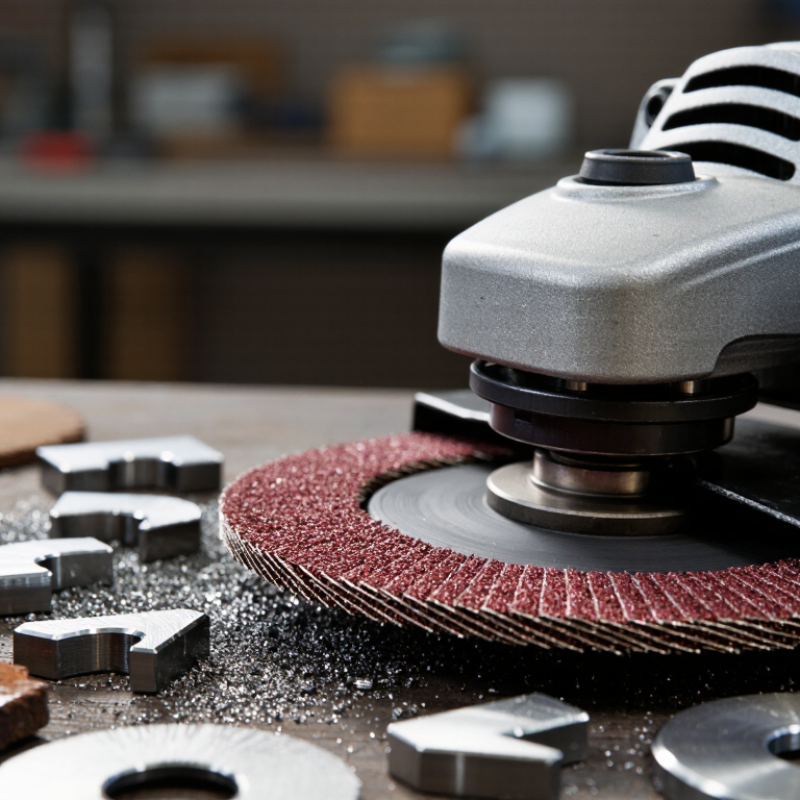
A Fiber Disc is a coated abrasive disc with a stiff fiber backing. It attaches to a compatible backing pad on an angle grinder. As the disc spins, its abrasive grains remove material from a workpiece. Depending on the grain and grit, it can help blend welds, smooth rough edges, or remove rust and old coatings from metal. Some discs are also suitable for other materials, but the manufacturer’s guidance matters.

The details make a difference. Coarser grits remove material faster and leave a rougher finish; finer grits are generally used for smoothing. The disc, backing pad, and grinder must be compatible, and the disc’s rated speed must meet the tool’s requirements. Check these details before use. A worn or poorly matched disc can perform unevenly, overheat the surface, or fail prematurely. Use the grinder’s guard and appropriate eye and face protection, and follow the product instructions.

This guide explains what fiber discs are made of, how they work, and where they are commonly used. It also covers grit selection, backing pads, and basic handling considerations. The right choice depends on the material, the amount of stock to remove, and the finish you need. There is no single disc for every job. Even experienced users sometimes choose a grit by habit, then find the surface needs extra finishing. A small test on a suitable area can reveal whether the disc is right for the task.
What Is a Fiber Disc and What Is It Used For?

What a Fiber Disc Is

A fiber disc is a flat, circular abrasive tool with grains bonded to a stiff backing made from compressed fiber. A center hole lets it attach to a compatible backing pad on an angle grinder. The abrasive face does the cutting; the backing supports it under pressure. Common abrasive grains include aluminum oxide and zirconia, though disc materials vary.

These discs are used to remove rust, smooth welds, shape metal edges, and strip coatings. Coarse grits remove material quickly, while finer grits leave a smoother surface. A fiber disc is not the same as a flexible sanding sheet: it holds its shape better, but still needs a suitable pad and steady handling. Too much pressure can create heat, discolor metal, or wear the disc unevenly. That detail is easy to miss. Check the disc’s condition and speed rating, and use eye and face protection.

Tips: Match the grit to the task, and let the abrasive do the work. Keep the disc moving across the surface. Test on a small area first; finishes can look different after cleaning.

How Fiber Discs Are Made and Structured

A fiber disc is a layered abrasive tool, not simply sandpaper cut into a circle. Its backing is usually made from cellulose fibers compressed with resin and cured under heat and pressure. This creates a dense, stiff base that can hold abrasive grains during grinding. The exact formulation and thickness vary by intended use.

During manufacture, a resin make coat is applied to the backing, and abrasive grains are distributed across it. A second resin coat helps secure the grains, followed by curing to harden the bond. The finished sheet is cut into discs, with a center hole sized for mounting on a compatible backing pad. That matters. Poor alignment can cause vibration and uneven wear. Grain type, size, and spacing affect how aggressively the disc removes material and how smoothly it finishes a surface. Not always. A coarser grain may remove stock quickly, but it can leave deeper scratches that require another pass.

The layered construction helps explain why fiber discs are commonly used with angle grinders for tasks such as removing weld marks, scale, or old coatings. In practice, pressure and angle change the result. Heavy pressure can generate heat and wear the abrasive unevenly, so a light, steady touch is often more controllable. Disc selection should match the material, grinder, and backing pad. The process sounds straightforward, but matching those parts takes attention.

How a Fiber Disc Removes Material

A fiber disc removes material through thousands of abrasive grains bonded to a stiff, resin-treated fiber backing. Each exposed grain acts like a tiny cutting edge. Under controlled pressure, it shears off small chips rather than simply rubbing the surface. The chips leave visible scratch lines, while friction creates heat. That heat matters: excessive pressure can burn the workpiece or wear the disc quickly.

Grit size changes the cut. FEPA’s coated-abrasive grain-size specification, FEPA 42-1:2006, places P80 grain’s median diameter at about 201 micrometres. Coarser grains generally remove material faster and leave deeper scratches; finer grains produce a smoother finish. The operator also affects the result. A steady angle and moderate pressure help keep contact even. Let the disc do the work. Too much force can load the abrasive, flatten its cutting points, and make the surface uneven. In practice, the tidy explanation gets messier: material hardness, disc wear, and tool speed all change the scratch pattern. Check the surface often. A short test pass can reveal whether the chosen grit is cutting cleanly or merely heating the part.

Common Uses of Fiber Discs

Fiber discs are used in metal fabrication for weld blending, deburring, rust removal, and smoothing cut edges. On a steel workpiece, a coarse disc can remove weld discoloration and sharp burrs; a finer grade can reduce visible scratches before coating. They also suit maintenance work on tools, brackets, and machinery parts. The flexible fiber backing helps the disc follow slight contours, though it will not replace a flap disc for every shape.

Grit selection changes the result. FEPA’s published coated-abrasive grading data, aligned with ISO 6344, lists P-grades from P12 through P2500. In practice, coarse grades remove material faster, while finer grades leave a smoother finish. That is a trade-off. A very coarse disc can gouge thin sheet metal, and a fine disc may take too long on heavy welds. Operators should check the disc’s marked speed limit and use a compatible backing pad. One detail is easy to miss: pressure matters. Leaning hard on the disc can create heat, discolor the metal, and shorten disc life. The right grade still depends on the alloy, finish target, and operator’s technique.

How to Select and Use a Fiber Disc Safely

A fiber disc uses abrasive grains bonded to a flexible vulcanized-fiber backing. On a compatible angle grinder and backing pad, it removes stock, blends welds, and smooths burrs. Match the abrasive to the workpiece and choose a grit for the finish you need. A coarse grit cuts quickly but can leave deep scratches. I still pause over grit choice; speed is not always worth the cleanup.

Before fitting a disc, check for tears, warping, or worn edges. Confirm its size and maximum speed rating suit the grinder, and keep the guard in place. Hold the tool with both hands, let it reach operating speed, and avoid twisting or pressing the disc’s side against the work. Wear eye and face protection, hearing protection, and suitable respiratory protection. OSHA’s 2016 respirable crystalline silica rule sets an eight-hour exposure limit of 50 micrograms per cubic meter. If grinding silica-containing stone or concrete, use appropriate dust controls and follow the site’s exposure assessment.

Tips: Keep the workpiece firmly clamped. Test the angle on a small area first. Stop if the disc vibrates, sounds unusual, or feels unstable; inspect the setup before continuing.