Essential Tips for Maintaining Underground Pipes?
Maintaining underground pipes is vital for preserving water quality and preventing leaks. As industry expert James Carter once stated, "A well-maintained underground pipe can last decades." However, many homeowners overlook this essential duty.
Regular inspection of underground pipes is crucial. Homeowners should be aware of the signs of wear and tear. Cracks or dampness in surrounding areas can indicate issues. Ignoring these signals can lead to costly repairs. Inadequate maintenance often results in significant disruptions and inconveniences.
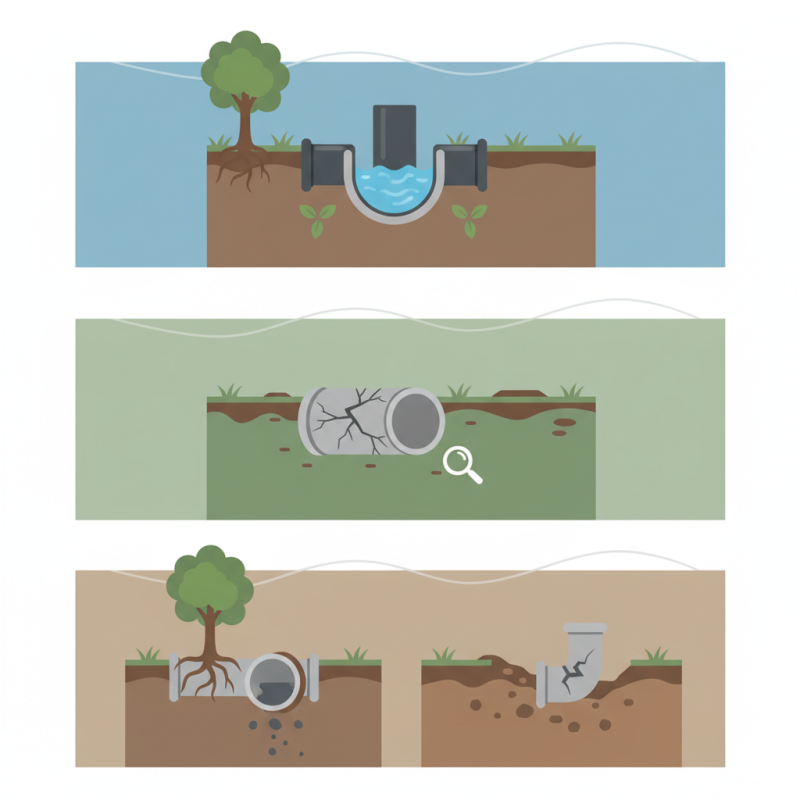
Understanding the environment that surrounds underground pipes is equally important. Soil erosion, tree roots, and shifting soil can impact pipe integrity. These factors can silently compromise an underground pipe's lifespan. Therefore, homeowners must stay vigilant and proactive.
Understanding the Importance of Underground Pipe Maintenance
Underground pipes are crucial for a functioning infrastructure. They transport water, waste, and other utilities out of sight. Yet, their maintenance is often overlooked. This can lead to serious problems, such as blockages or even pipe bursts. Understanding the importance of underground pipe maintenance cannot be stressed enough. Neglecting these pipes can cause costly repairs and environmental hazards.
Regular inspections are key. Look for signs of leaks or wear. Employing video inspection technology can help identify issues without invasive digging. It’s essential to be proactive rather than reactive. Consider scheduling maintenance annually. Staying ahead can save you time and money.
Another tip is to be mindful of what flows through these pipes. Avoid disposing of harsh chemicals or heavy solids in the drainage system. These substances can corrode the pipes and cause blockages. Additionally, landscaping choices matter. Roots from nearby trees can invade underground pipes, leading to leaks and breaks. Regularly trimming roots is a good habit to adopt. Ignoring these tips can lead to significant regrets later.
Common Signs of Underground Pipe Issues to Watch For
Underground pipes are crucial for any urban infrastructure. However, they can develop issues that are not always visible. Common signs of underground pipe problems include wet spots on the ground, unusual vegetation growth, and changes in water pressure. Homeowners should be alert to these signs. Ignoring them can lead to bigger issues, including costly repairs.
A 2020 report found that underground pipe failures can cause up to $10,000 in damages. This emphasizes the need for regular monitoring. If you notice a significant drop in your water pressure, it might indicate a leak or blockage in your pipes. Additionally, listen for unusual sounds, like gurgling or hissing. These sounds could suggest that there’s a problem beneath the surface.
Regular maintenance can help prevent these issues. Inspect your property for signs of shifting soil or pooling water. If you identify issues, consult professionals for a thorough pipeline inspection. Keep a routine check on water bills as unexpected spikes may indicate a leak. Timely intervention can save you from more serious problems down the line. Remember, a little vigilance goes a long way in keeping your underground pipes in good health.
Common Signs of Underground Pipe Issues
Best Practices for Regular Inspection of Underground Pipes
Regular inspection of underground pipes is crucial for maintaining their integrity. Studies show that 25% of municipalities face delays in pipe repairs due to inadequate inspections. To avoid such scenarios, creating a maintenance schedule is essential. Inspections should happen at least once a year, according to the American Society of Civil Engineers. They report that aging infrastructure can lead to leaks and costly damages.
Technology can aid in the inspection process. For instance, using video cameras allows us to visually assess the condition of pipes without excavation. These proactive measures can reduce unexpected breakdowns by up to 40%. However, many facilities still rely on outdated methods. This can leave them unprepared for sudden failures. It’s critical to identify weak spots before they worsen.
Educating staff on common signs of pipe issues is also vital. Small leaks, unusual odors, or changes in water pressure can be indicators. Yet, not all personnel may spot these signs effectively. This gap highlights the need for training and open communication. Regular inspection and staff education foster a culture of awareness and prevention.
Effective Techniques for Cleaning and Flushing Pipes
Cleaning and flushing underground pipes is crucial for their longevity. Over time, debris and sediment can accumulate, leading to blockages. Regular maintenance helps prevent costly repairs.
Using hot water can help clear minor clogs effectively. Pour boiling water down the pipe to loosen up grease. It's an easy method that often works well. For more stubborn blockages, a mixture of vinegar and baking soda can be effective. This combination can break down build-up while being eco-friendly.
Tip: Consider using a professional flushing service once a year. They have specialized tools and techniques for deep cleaning. Keeping a schedule may seem inconvenient, but it saves headaches later. Pay attention to your water flow. Slower drains often indicate a problem. Regular checks can prevent bigger issues down the line. Don't ignore early signs of trouble; timely action is key.
Essential Tips for Maintaining Underground Pipes - Effective Techniques for Cleaning and Flushing Pipes
| Tip |
Description |
Frequency |
Recommended Tools |
| Regular Inspection |
Check for any signs of leaks, corrosion or blockages. |
Annually |
Inspection Camera, Leak Detector |
| Hydro Jetting |
Use high-pressure water to clear blockages and clean the inside of the pipes. |
Every 1-2 years |
Hydro Jetting Equipment |
| Chemical Cleaning |
Apply specialized cleaning chemicals to dissolve buildup. |
As Needed |
Chemical Cleaner, Safety Gear |
| Proper Drainage |
Ensure that surface water is directed away from pipe entry points. |
Constant |
Grading Tools, Drainage Pipes |
| Root Control |
Use root repellents and barriers to prevent tree roots from invading pipes. |
Annually |
Root Killer Chemicals, Barrier Materials |
Emergency Response Strategies for Underground Pipe Failures
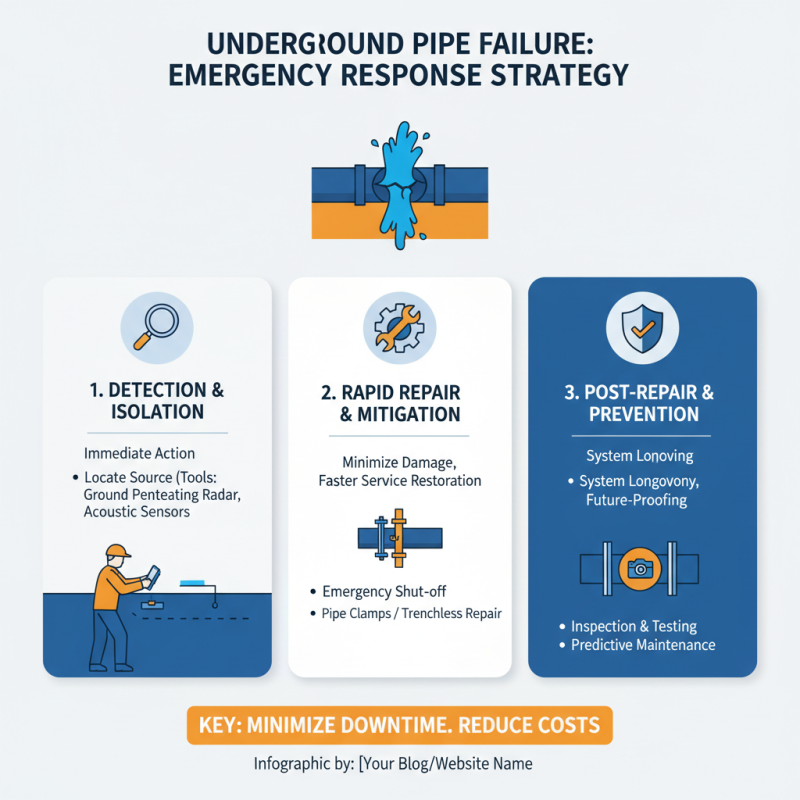
Underground pipe failures can lead to significant issues. Therefore, having an effective emergency response strategy is crucial. When a leak or break is detected, immediate action is essential. Start by locating the source of the problem. Use available tools to pinpoint the exact location quickly. This minimizes damage and saves time.
Once the breach is identified, inform your team. Communication is vital during emergencies. Each person should know their role in response efforts. Shut off water supply to prevent further flooding. Delaying this step can lead to additional complications, like property damage or soil erosion. After securing the area, assess the extent of the damage. It's often not as simple as it seems.
Lastly, document everything. Take photos and notes of the situation. This can help in the analysis phase later. Reflecting on the response can offer valuable insights. Consider what went well and what needs improvement. Such critical assessments can refine your approach for future emergencies. Remember, preparedness is just as important as the response itself.