Top 10 Essential Tips for Choosing the Right Water Pipe Fittings
When navigating the complex world of plumbing and construction, choosing the right water pipe fittings can significantly impact the efficiency and safety of plumbing systems. According to a report by IBISWorld, the water pipe fittings industry is projected to reach $15 billion by 2025, driven by increasing demand for sustainable and innovative plumbing solutions. As industries evolve, ensuring that the materials and fittings used are not only durable but also compliant with safety standards becomes paramount.
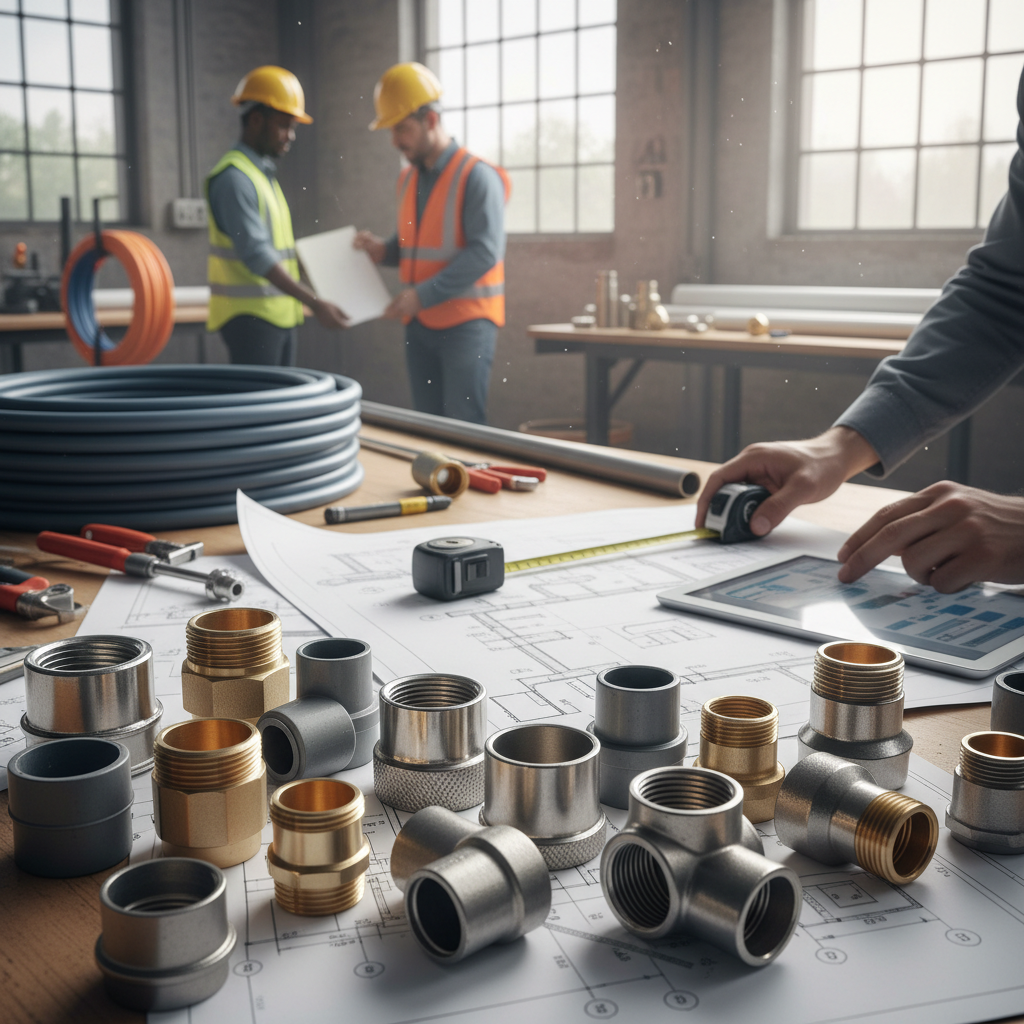
Expert in the field, Dr. Emily Carter, a consultant for the American Society of Plumbing Engineers, emphasizes the importance of informed choices in this sector. She states, "Selecting the appropriate water pipe fittings is crucial; it not only affects the longevity of the installation but also ensures the integrity of the entire water supply system." With countless options available, understanding the specifications and applications of different types of fittings is essential for both residential and commercial projects.
In light of these insights, our guide on the top 10 essential tips for choosing the right water pipe fittings aims to equip you with the knowledge necessary to make informed decisions. Whether you are a contractor, engineer, or DIY enthusiast, this resource will help you navigate the intricacies of water pipe fittings, ensuring that your projects are executed with the highest standards of quality and safety.
Understanding Different Types of Water Pipe Fittings and Their Applications in 2025
When selecting the right water pipe fittings in 2025, it's crucial to understand the diverse types and their specific applications. The PVC pipes and fittings market, projected to reach significant growth, is categorized primarily by material types such as UPVC, CPVC, and flexible PVC. Each type offers distinct advantages depending on the application, particularly in water supply and distribution systems. UPVC, for instance, is known for its resistance to corrosion and chemical damage, making it ideal for drinking water supply. According to recent industry reports, the market for UPVC fittings alone is anticipated to expand at a CAGR of over 5% from 2023 to 2028, reflecting increasing demand in plumbing and construction sectors.
Furthermore, choosing the right fittings involves considering the specifics of product types, which include various fittings essential for connectivity in complex piping systems. For example, elbow fittings are crucial in directing water flow, while coupling fittings facilitate the joining of two pipe sections. With the global focus on infrastructure improvement and sustainable water management solutions, understanding the nuanced applications of these fittings not only ensures efficient water distribution but also supports regulatory compliance and environmental safety measures. As innovations advance, selecting high-quality materials and fittings becomes paramount for both commercial and residential installations.
Evaluating Material Durability: Polypropylene vs. PVC for Water Pipe Systems
When evaluating water pipe fittings, material durability is crucial, particularly when choosing between polypropylene and PVC. Polypropylene is known for its excellent chemical resistance and ability to withstand higher temperatures, making it ideal for hot water applications. It is also lightweight and flexible, which can ease installation in complex plumbing systems. However, polypropylene may not perform as well in UV exposure, necessitating protective measures in outdoor settings.
On the other hand, PVC offers exceptional durability and strength, primarily suitable for cold water and drainage applications. Its ability to withstand corrosive environments and various chemicals makes it a popular choice for industrial applications. PVC fittings are also relatively inexpensive and easy to work with, although they can become brittle over time when exposed to UV rays. Ultimately, the choice between polypropylene and PVC should be based on specific application needs, considering factors like temperature, chemical exposure, and installation conditions to ensure the longevity and efficiency of water pipe systems.
Top 10 Essential Tips for Choosing the Right Water Pipe Fittings
| Tip Number |
Material |
Durability |
Temperature Resistance |
Cost |
Application |
| 1 |
Polypropylene |
High |
Up to 90°C |
Moderate |
Chemical handling |
| 2 |
PVC |
Medium |
Up to 60°C |
Low |
Drainage systems |
| 3 |
Polypropylene |
High |
Up to 90°C |
Moderate |
Water supply |
| 4 |
PVC |
Medium |
Up to 60°C |
Low |
Irrigation |
| 5 |
Polypropylene |
High |
Up to 90°C |
Moderate |
Aquarium systems |
| 6 |
PVC |
Medium |
Up to 60°C |
Low |
Ventilation |
| 7 |
Polypropylene |
High |
Up to 90°C |
Moderate |
Food industry |
| 8 |
PVC |
Medium |
Up to 60°C |
Low |
Electrical conduits |
| 9 |
Polypropylene |
High |
Up to 90°C |
Moderate |
Medical applications |
| 10 |
PVC |
Medium |
Up to 60°C |
Low |
Wastewater systems |
Key Industry Standards and Certifications for Quality Water Pipe Fittings
When selecting water pipe fittings, understanding key industry standards and certifications is crucial to ensure quality and safety. Various certifications, such as ISO and ASTM standards, indicate that the fittings have been rigorously tested for durability and performance. Compliance with these standards ensures that the products can withstand varying conditions, such as temperature fluctuations and pressure changes, which are often encountered in water distribution systems.
Moreover, it's essential to consider the material certifications of the fittings. Different materials, including brass, PVC, and stainless steel, each come with specific standards and certifications that guarantee their suitability for potable water use and resistance to corrosion. For instance, NSF/ANSI standards focus on the safe use of materials in water systems, ensuring that the fittings do not leach harmful substances.
As industries continue evolving, especially with companies entering the market like those in the automotive component field, attention to these certifications will become increasingly important in maintaining high-quality standards for water pipe fittings.
Analyzing Flow Rate Efficiency: Choosing Fittings that Maximize Performance
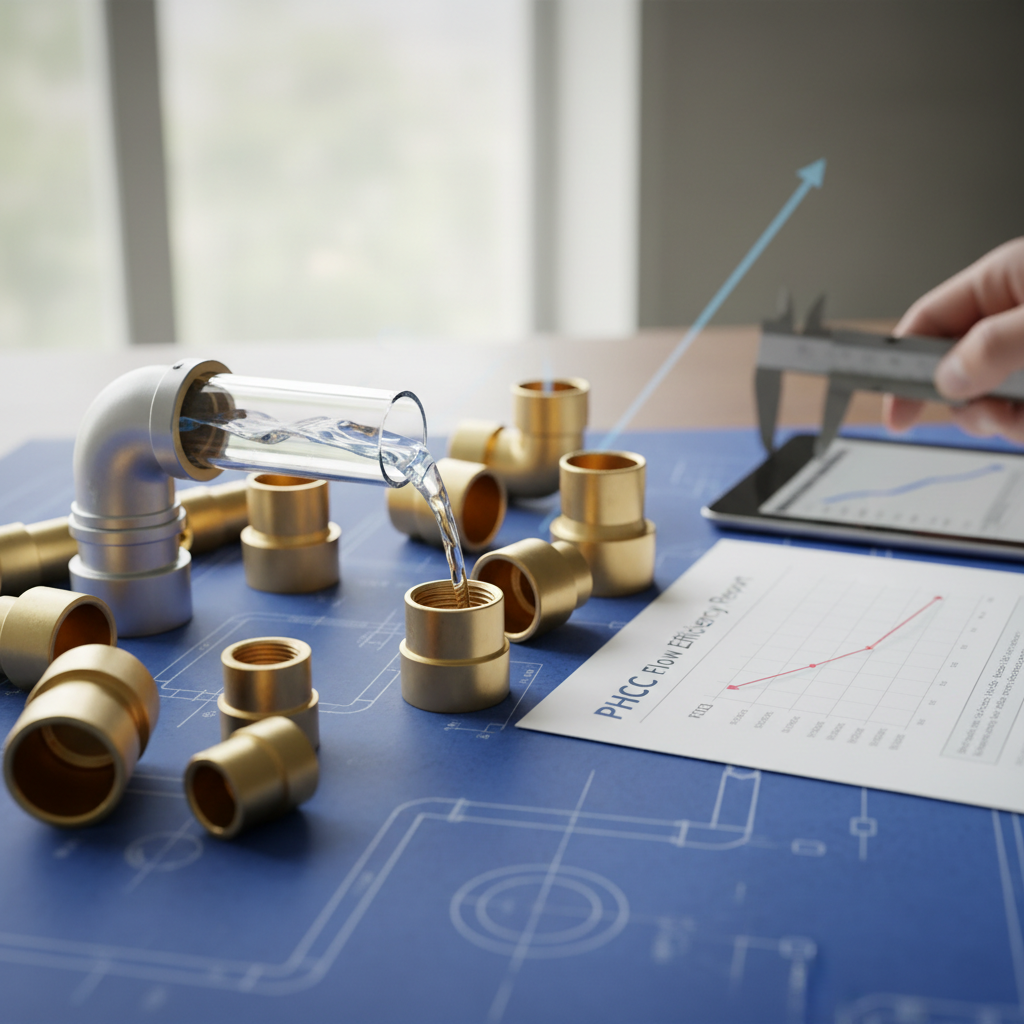
When it comes to selecting water pipe fittings, understanding flow rate efficiency is crucial to ensuring optimal performance in any plumbing system. According to a recent report by the Plumbing-Heating-Cooling Contractors Association (PHCC), improper fitting choices can reduce flow rate by up to 15%, significantly impacting overall system functionality. High-quality fittings designed to minimize turbulence and maximize water flow are essential for reducing pressure drop and ensuring efficiency.
The design and material of fittings play a critical role in their performance. For instance, fittings made from PVC generally exhibit lower friction rates compared to metal counterparts, leading to better flow rates in many applications. A study published by the American Society of Mechanical Engineers (ASME) highlighted that using PVC fittings can increase flow rates by as much as 20% in some configurations over traditional metal fittings. Additionally, the size and shape of the fittings must be matched to the specific requirements of the system to avoid bottlenecks that can diminish performance. Opting for fittings that adhere to industry standards, such as ASTM, can ensure optimal flow efficiency and long-lasting durability.
Cost-Effectiveness: Budgeting for Water Pipe Fittings Without Sacrificing Quality
When budgeting for water pipe fittings, it's crucial to strike a balance between cost-effectiveness and quality. While it might be tempting to opt for the cheapest available options, this can lead to long-term complications, such as leaks and replacements that ultimately drive up costs. To avoid this pitfall, consider researching reputable brands that offer durable materials at competitive prices. Investing a little more upfront can save you significant amounts in maintenance and repairs down the line.
Another effective strategy is to compare prices from different suppliers and buy in bulk if possible. Many retailers offer discounts for larger orders, which can greatly enhance cost-effectiveness without compromising on quality. Additionally, understanding the specific requirements of your project can help you avoid unnecessary expenses by focusing on fittings that truly meet your needs. Always ensure you read reviews and get recommendations, as high-quality fittings can ultimately prove to be a wiser financial investment.