How to Install Underground Drainage Systems Effectively?
Installing underground drainage systems is crucial for effective water management. Proper installation prevents flooding and protects foundations. However, many overlook the details involved in such projects.
Before starting, consider the landscape. Evaluate the soil type and moisture levels. Identify the best drainage routes to minimize water accumulation. These elements are vital for successful underground drainage.
Mistakes can happen. Inadequate slopes may lead to stagnation. Overlooking local regulations can cause future issues. Reflecting on these aspects is essential for a well-executed installation. Understanding how to install underground drainage systems effectively can save time and money in the long run.
Choosing the Right Materials for Underground Drainage Systems Installation
Choosing the right materials for underground drainage systems is crucial. Proper selection can prevent future issues. Common materials include PVC pipes, corrugated plastic pipes, and concrete.
PVC pipes are lightweight and resistant to corrosion. They are easy to install and maintain. However, they might not hold up as well in extreme temperatures.
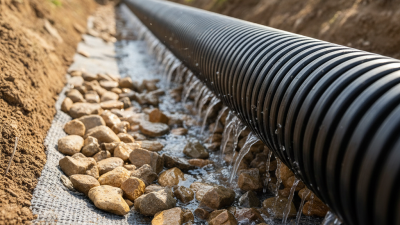
Corrugated plastic pipes are flexible and effective for carrying water away. They are great for areas with rocky soil. However, they can be prone to clogging. Regular checks and maintenance are essential to ensure functionality.
Concrete is durable, but it can be heavy and difficult to install. Concrete is often used for larger projects.
When selecting materials, consider the specific site conditions. Soil type, water flow, and climate all matter. Sometimes, combining different materials can yield the best results. Reflecting on the project's needs can direct your choices. Balancing durability and ease of installation is key. Make thoughtful decisions to ensure long-lasting drainage solutions.
Understanding the Importance of Soil Assessment and Drainage Planning
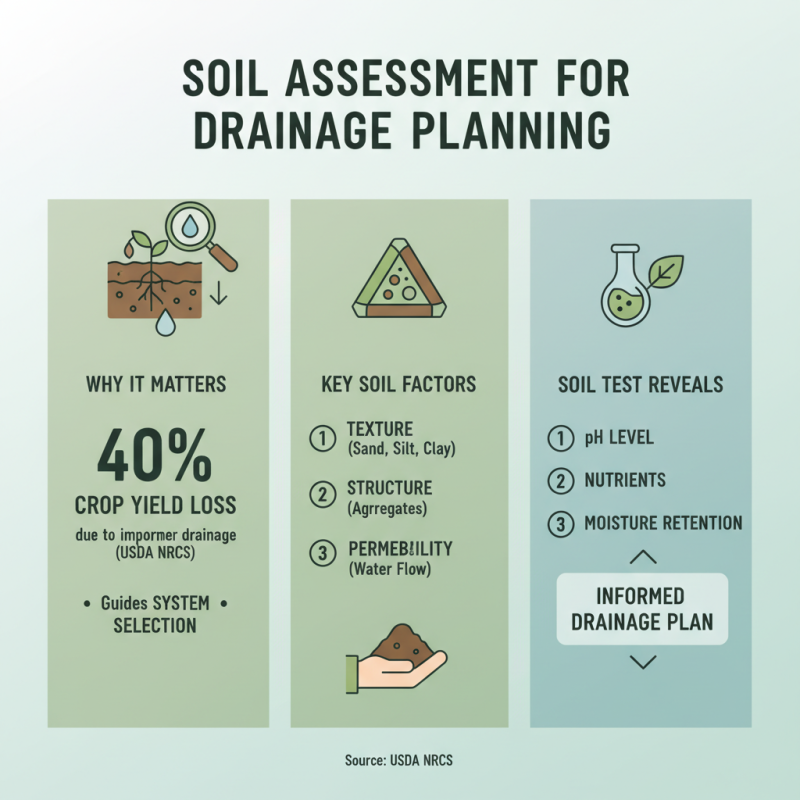
Soil assessment is critical in drainage planning. According to the USDA's National Resource Conservation Service, improper drainage can lead to 40% crop yield loss. Understanding soil types helps in selecting the right drainage system. Soil texture, structure, and permeability must be analyzed. A soil test can reveal pH, nutrient levels, and moisture retention capacity. This information guides effective planning.
When designing drainage systems, consider local climate and rainfall patterns. The average annual rainfall in many regions is increasing. This can lead to flooding if drainage is inadequate. Professionals recommend conducting a water table assessment. Many homeowners overlook this step, leading to costly repairs later. Simple measures like observing pooling water can highlight drainage issues.
Using advanced tools and techniques can enhance planning. Geographic Information Systems (GIS) can map drainage patterns. Such data aids in making informed decisions. However, remember that even with technology, the human element is vital. Experienced judgment is essential in interpreting data. Planning without expertise can lead to miscalculations, stressing the need for thorough assessments.
Step-by-Step Guide to Excavating and Preparing the Drainage Trench
Excavating for an underground drainage system requires careful planning and execution. Begin by marking the drainage trench's path clearly. Use stakes and string to outline the area. This visual guide helps ensure accuracy and minimizes mistakes. If the path crosses existing utilities, take extra caution. Digging can lead to costly repairs if lines are accidentally damaged.
When you start digging, aim for a trench width of about 12 inches and a depth of at least 12 to 18 inches. This dimension allows ample space for the drainage pipe and gravel. Remember to remove any large rocks or debris. These can hinder proper drainage later. Ensure the trench has a slight slope, approximately 1% gradient, to promote water flow. It's easy to overlook this detail, but it can lead to pooling water.
While excavating, consider your soil type. Sandy soils allow for better drainage than clay. Adjustments may be necessary based on soil conditions. If you hit unexpected obstacles, pause and reassess. Rushing through these changes could lead to bigger problems down the line. Use this time to reflect on the process and make adjustments as necessary.
Proper Installation Techniques for Pipes and Drainage Components
Installing underground drainage systems requires careful attention to detail. Proper installation techniques for pipes and drainage components can make a significant difference. Start with assessing the site. Understand the landscape and any potential obstacles. Clear the area of debris and create a level surface. If the ground is too compacted, consider loosening it to ensure good drainage flow.
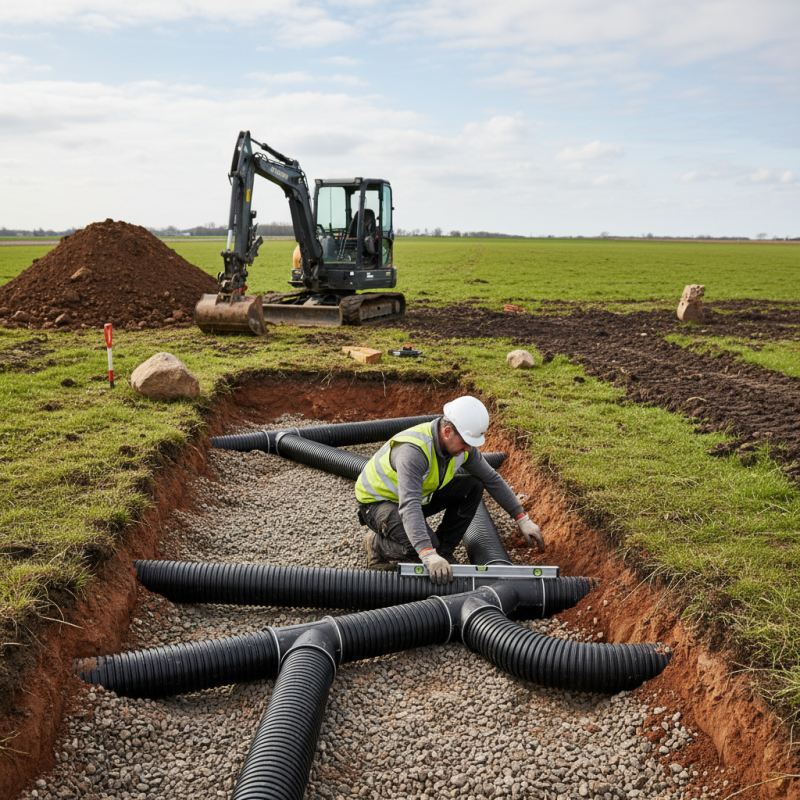
When laying down the pipes, maintain a consistent slope. This helps water flow freely and prevents pooling. Use a level tool to gauge the slope accurately. Joint fittings should be secure but not overly tight. Too much pressure can lead to cracks. Be cautious with the placement of drainage components. Wrap perforated pipes in landscape fabric to keep out dirt.
After installation, it's vital to test the system. Run water through the pipes and check for leaks. Watch for clogs at the joints. This part is often overlooked but essential. Regular maintenance should also not be ignored. Over time, debris can accumulate, leading to issues. Reflect on the effectiveness of your installation. Adjustments may be necessary down the line. A small oversight can result in a bigger problem later.
How to Install Underground Drainage Systems Effectively?
| Step |
Description |
Materials Needed |
Estimated Time (hours) |
| 1 |
Planning the layout of the drainage system. |
Design software, measuring tools. |
2 |
| 2 |
Digging trenches for pipes. |
Shovel, backhoe. |
4 |
| 3 |
Setting up the drainage pipes and components. |
Drainage pipes, connectors, sand. |
3 |
| 4 |
Backfilling the trenches with soil. |
Soil, compactor. |
2 |
| 5 |
Testing the drainage system for efficiency. |
Water, testing tools. |
1 |
Integrating Maintenance Practices for Longevity of Drainage Systems
Maintaining underground drainage systems is crucial for their longevity. Regular inspections can prevent small issues from becoming major problems. Data indicates that 75% of drainage failures stem from neglect. Early detection can save homeowners significant repair costs, often upwards of thousands of dollars.
Effective maintenance practices include cleaning and clearing blockages. Leaves, dirt, and debris can accumulate and cause backups. A study shows that systems cleaned annually last 30% longer than those neglected. Using cameras for inspections allows for a thorough evaluation without major disruptions.
Landowners must also be aware of local soil conditions. Soil erosion can impact drainage efficiency. A report suggests that 60% of systems fail due to inadequate adaptation to site-specific conditions. Regular assessments help identify these risks early, ensuring better drainage performance over time.