How to Effectively Install ACO Drainage Channels for Optimal Water Management
Proper water management is crucial for maintaining the integrity of our landscapes and infrastructure. One of the most effective solutions available today is the installation of ACO drainage channels. These systems are designed to efficiently collect and redirect surface water, preventing flooding and erosion while promoting healthy drainage across various environments. The importance of effectively installing these drainage channels cannot be overstated, as a well-executed installation ensures long-term functionality and sustainability of the drainage system.
In this guide, we will explore the key steps and considerations for successfully installing ACO drainage channels. From site assessment and preparation to leveling and securing the channels in place, each phase of the installation process plays a vital role in achieving optimal water management. Understanding the technical specifics and the benefits derived from proper ACO drainage channel installation will empower property owners, contractors, and landscapers to make informed decisions and maximize the efficiency of their drainage systems. Through this comprehensive approach, we aim to provide valuable insights that contribute to the effective management of water resources, enhancing both functionality and aesthetic appeal of the environment.
Understanding ACO Drainage Channels: Purpose and Benefits
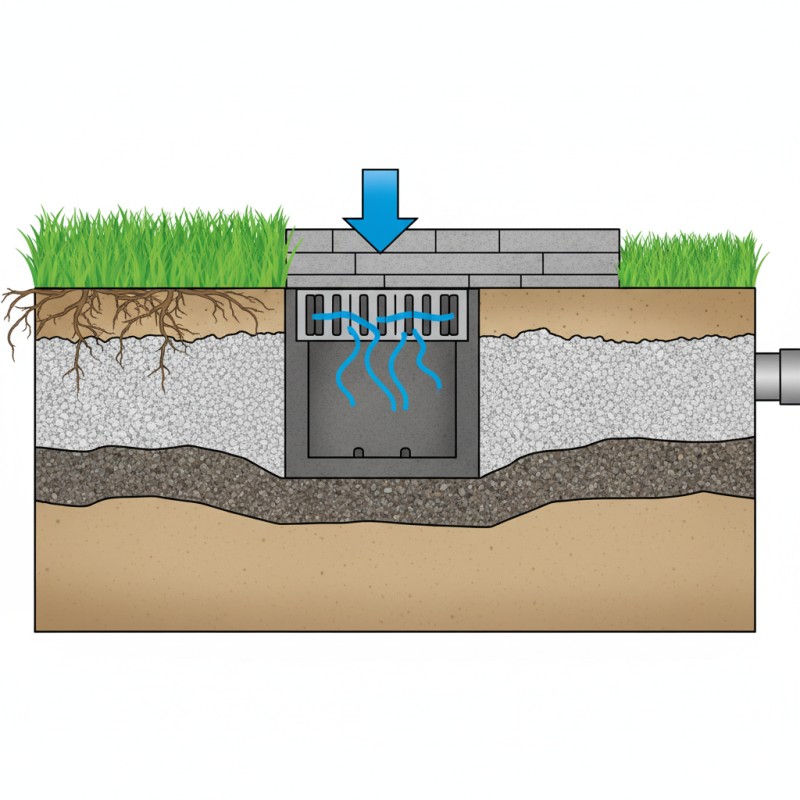
ACO drainage channels are essential components in modern water management systems, designed to efficiently control surface water runoff. These channels serve a primary purpose of directing water away from structures, pathways, and areas prone to flooding, thereby minimizing water damage and erosion. By facilitating the quick drainage of excess rainwater or melted snow, they play a critical role in maintaining the integrity of urban infrastructure and ensuring pedestrian safety.
The benefits of using drainage channels extend beyond mere water diversion. They enhance the overall aesthetic of outdoor spaces by integrating seamlessly into landscaping, providing an unobtrusive solution to water management. Additionally, ACO drainage channels promote sustainability by reducing the risk of water pooling, which can lead to environmental challenges such as pest breeding and contamination. Properly installed, these systems can significantly improve water quality as they help to filter out pollutants before they reach larger water bodies, contributing to healthier ecosystems.
Choosing the Right Location for Installation of ACO Drainage Channels
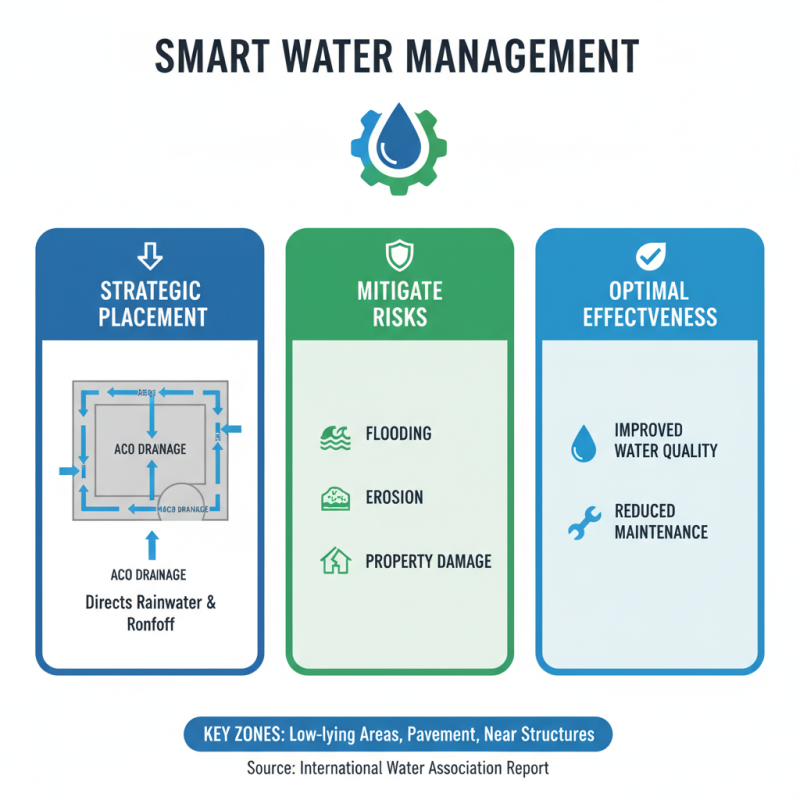
When it comes to effective water management, the placement of ACO drainage channels is crucial. Proper location selection ensures that rainwater and runoff are efficiently directed away from vulnerable areas, reducing the risks of flooding and erosion. According to a report by the International Water Association, poorly managed stormwater can lead to property damage, diminished water quality, and increased maintenance costs. Therefore, identifying high-risk zones—such as low-lying areas, pavement surfaces, and near structures—is essential for the optimal effectiveness of drainage systems.
Tips for selecting the right location include conducting a thorough site assessment to identify the natural flow of water. This involves examining topography, soil permeability, and existing drainage features. The ideal installation site will be where the channels can intercept and redirect the flow before it accumulates, minimizing potential hazards. Moreover, consulting local regulations and community guidelines can help in making informed decisions that align with best practices for environmental stewardship.
It’s also advisable to consider seasonal variations in water flow. Data from the U.S. Geological Survey highlights that regions with significant rainfall variability require more strategic placements of drainage systems. By positioning ACO channels in areas that experience higher rainfall during specific seasons, property owners can enhance their drainage efficiency and protect their investments more effectively.
Step-by-Step Guide to Preparing the Site for ACO Drainage
Preparing the site for ACO drainage channels is crucial for ensuring effective water management. Start by assessing the drainage requirements of your area. This involves understanding the land's slope and identifying the water flow patterns. Ensure that the location for the drains is free from obstructions like large rocks, roots, or existing structures. A clear and level ground will facilitate a smoother installation process and enhance the performance of the drainage system.
Tips: Always check the local regulations regarding drainage installations. Some regions may have specific guidelines that you need to follow to avoid future problems. Utilize spray paint or stakes to outline the area where the drainage channels will be placed. This will help visualize the layout and make any necessary adjustments before beginning the excavation.
Once you have defined the area, mark the slope for proper drainage. The ideal slope should guide water towards the drainage channel, ensuring efficient runoff management. Excavate to the designated depth and width, taking care to maintain the slope as you dig. It's essential to have a compacted base for stability. If the soil is loose, consider adding a layer of gravel to enhance drainage and support the installation.
Tips: To prevent erosion during heavy rains, consider using temporary barriers to protect your site. Also, regularly check the excavation depth against your planned specifications to avoid any miscalculations that could lead to ineffective drainage later on. Proper preparation is key to a successful drainage system installation.
How to Effectively Install ACO Drainage Channels for Optimal Water Management
| Step |
Action |
Materials Needed |
Estimated Time |
| 1 |
Site Assessment |
Measuring Tape, Surveying Tools |
1 Hour |
| 2 |
Design Layout |
Graph Paper, Design Software |
2 Hours |
| 3 |
Excavate Area |
Excavator, Shovels |
4 Hours |
| 4 |
Install Drainage Channels |
ACO Drainage Channels, Connectors |
3 Hours |
| 5 |
Backfill and Regrade |
Soil, Compactor |
2 Hours |
| 6 |
Final Inspection |
Checklist, Measuring Tools |
1 Hour |
Installation Process: Setting Up ACO Drainage Channels Properly
Installing ACO drainage channels properly is crucial for ensuring optimal water management in any landscape or construction project. The first step in the installation process involves
careful site assessment. You need to evaluate the drainage requirements by observing the area’s water flow patterns and identifying any potential obstructions. It’s essential to
clear the site of debris and
level the ground to create a stable base for the drainage channels. This step is critical for preventing water pooling and ensuring that the drainage system functions effectively.
Once the site is prepared, the next phase is to outline the channel layout. Use marking tools to define the position and slope of the drainage channels, keeping in mind that a slight incline will
facilitate proper water flow towards the drainage outlet. After marking, you can begin excavation. The trench should be deep and wide enough to accommodate the channels comfortably while allowing for space to integrate any additional materials or fittings as necessary.
Following the excavation, it's important to set the channels in place meticulously, ensuring they are level and securely positioned. Finally, backfill and compact the surrounding soil to
protect the channels and maintain the desired slope, completing the installation process for efficient water management.
Maintenance Tips for Longevity of ACO Drainage Systems
To ensure the longevity and optimal performance of ACO drainage systems, regular maintenance is crucial. According to industry reports, properly maintained drainage channels can extend their lifespan by up to 50%, significantly reducing the need for replacements. One vital maintenance tip is to regularly inspect the drainage channels for debris and blockages that can hinder water flow. Accumulated debris not only affects drainage efficiency but can also lead to more severe structural damage if left unchecked. It is recommended to perform these inspections seasonally, especially before and after heavy rainfall.
Another aspect of maintenance involves routine cleaning. High-pressure water jets or vacuuming systems can remove built-up sediments and contaminants from the drainage channels, ensuring clear pathways for stormwater. The Water Environment Federation (WEF) suggests that cleaning should be done at least twice a year in residential areas and more frequently in commercial settings prone to heavy foot traffic or vehicular use. Additionally, applying protective coatings or surfaces can help mitigate wear and tear from environmental factors while maintaining aesthetic appeal. By following these guidelines, operators can significantly enhance the efficiency and durability of their ACO drainage systems, promoting effective water management solutions.
Water Management Effectiveness of ACO Drainage Systems