What is a Drainage System and How Does It Work?
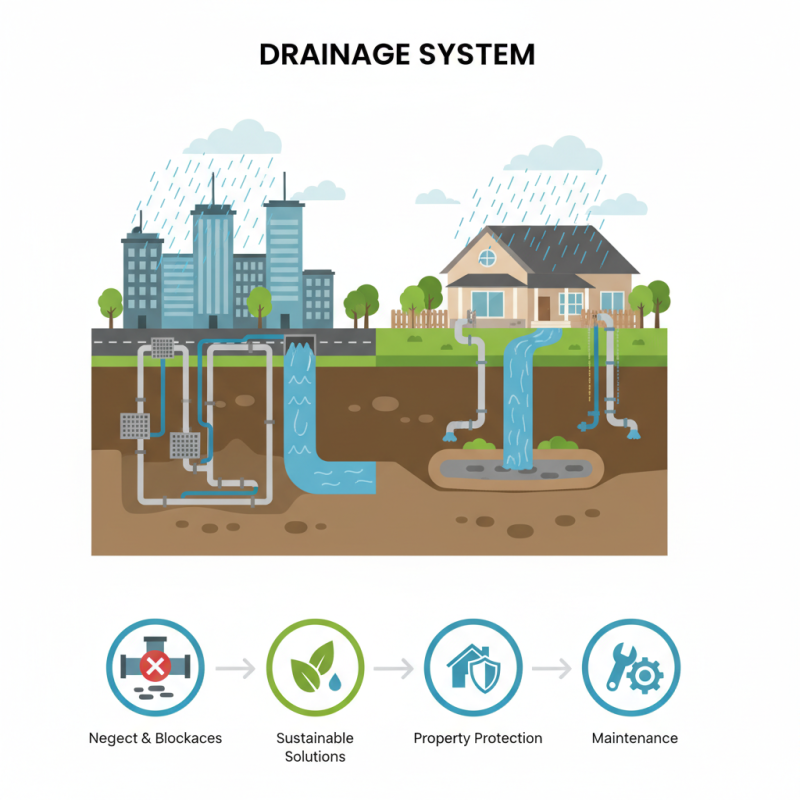
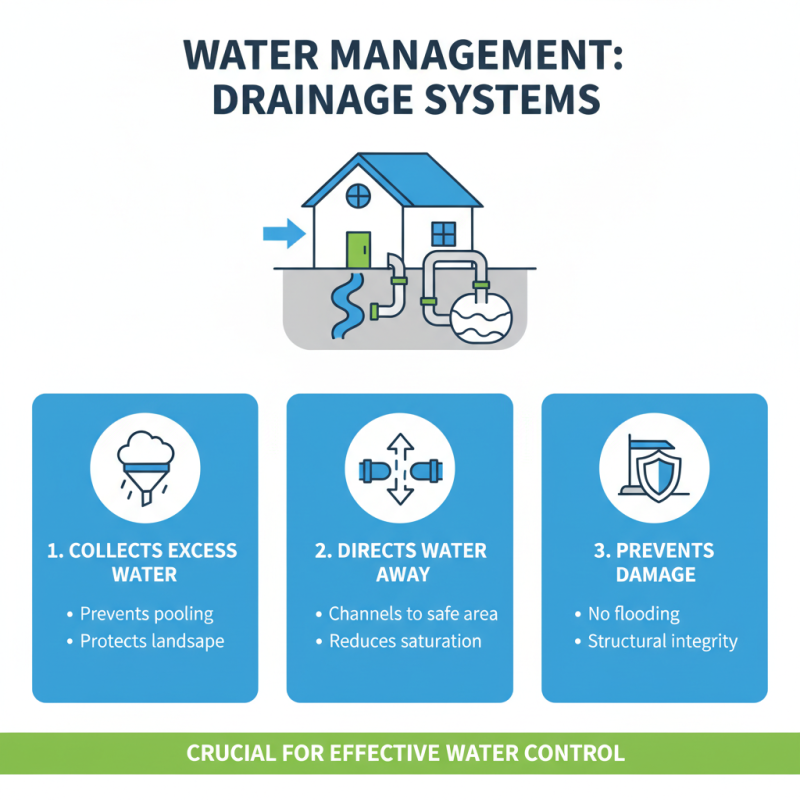
Drainage systems play a crucial role in managing water effectively. They redirect excess water away from areas where it can cause damage. Understanding how these systems work helps us appreciate their importance. Often, they feature a network of pipes, ditches, and drains.
In urban environments, drainage systems are essential. They prevent flooding during heavy rain. Homeowners must recognize their significance, too. A well-functioning system protects property and infrastructure. However, many neglect maintenance. This can lead to serious problems.
Sometimes, drainage systems fail. Blockages occur due to debris or poor design. These failures remind us that constant care is necessary. We must think critically about our water management strategies. Good drainage practices can save money and prevent future issues. Sustainable solutions are a key focus for modern cities.
What is a Drainage System?
A drainage system is essential for managing water flow in urban and rural areas. It helps prevent flooding and protects infrastructure. According to industry reports, over 80% of cities face flood risks due to inadequate drainage. This highlights a critical need for effective systems worldwide. Many drainage systems consist of pipes, channels, and ditches that carry excess water away.
Properly designed drainage systems improve soil quality and manage stormwater runoff. However, poor maintenance can lead to clogs. In fact, about 50% of reported flooding incidents result from blocked drainage. This reveals the importance of regular inspections. Local governments often overlook this, leading to potential disasters. It’s not just about installation; ongoing care is vital.
Innovative methods are emerging to enhance drainage efficiency. Permeable pavements and green roofs can absorb rainwater. These solutions could reduce runoff by up to 30%, according to recent studies. However, implementation is not uniform across regions. Many areas still rely on outdated systems that can’t cope with heavy rainfall. This disparity raises concerns about resilience and sustainability in our environments.
The Components of a Drainage System
A drainage system is essential for managing excess water. It helps prevent flooding and water damage. The components of a drainage system work together to guide water away from structures and landscapes.
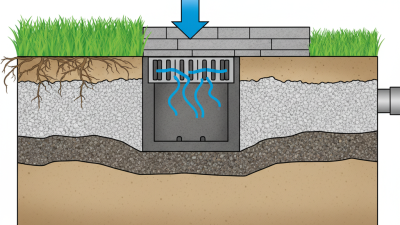
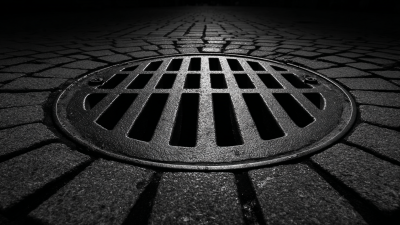
Pipes are a key element. They transport water from one area to another. These pipes can be underground or above ground. Catch basins collect water and debris, allowing for filtration. They prevent clogs in the system. Grates cover these basins, ensuring safety and preventing larger objects from entering.
Another important component is the drainage field. This area disperses water into the ground. It uses gravity for effective flow. Slopes are crucial for directing water away from surfaces. However, improper grading can lead to standing water. Regular maintenance is vital to keep the system functional. If not maintained, problems can arise, such as blockages and overflows. Ensuring every part works well can be challenging, but it is necessary for an effective drainage solution.
Drainage System Components and Efficiency
Types of Drainage Systems and Their Applications
In the field of civil engineering, drainage systems play a critical role in managing water flow. There are various types of drainage systems, each with distinct applications. For instance, surface drainage systems are common in urban areas. They help manage rainwater run-off, reducing flooding risks. According to a report by the American Society of Civil Engineers, urban flooding has been reported to affect nearly 20% of cities in the U.S.
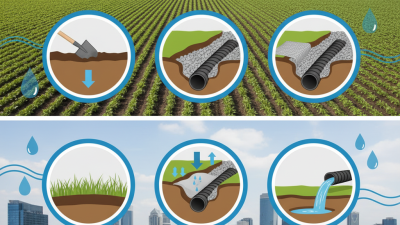
Another type, subsurface drainage, involves pipes placed below ground to remove excess water. This system is particularly useful in agricultural areas. It helps enhance soil quality and crop yield. Research shows that subsurface systems can increase agricultural productivity by around 30%. However, these systems can be costly and require regular maintenance.
There are also innovative solutions, like green drainage systems. These systems utilize natural vegetation to filter and manage stormwater. They are gaining popularity due to their sustainability. However, their implementation can be complicated, and sometimes the effectiveness can vary based on local climate conditions. Hence, understanding different types of drainage systems is vital for effective water management.
Importance of Proper Drainage in Construction and Agriculture
Proper drainage systems play a crucial role in both construction and agriculture. According to the American Society of Civil Engineers, a well-designed drainage system can minimize water accumulation by up to 40%. This reduction is vital for maintaining structural integrity in buildings. Without effective drainage, excess water can weaken foundations and lead to costly repairs.
In agriculture, efficient drainage is essential for crop health. Research from the USDA indicates that over 30% of farmland suffers from waterlogging, which stunts plant growth. Proper drainage can improve soil aeration and enhance nutrient uptake, leading to higher yields. Additionally, crops exposed to stagnant water often face increased risk of diseases, which can devastate harvests.
Many farmers and builders still overlook drainage design. Some assume natural topography will suffice, but this can lead to problems. Flooding can result in soil erosion. In construction, improper drainage planning can cause ongoing maintenance issues. Addressing these factors requires a proactive approach. Data shows that investing in drainage can save up to 15% in long-term maintenance costs.
What is a Drainage System and How Does It Work? - Importance of Proper Drainage in Construction and Agriculture
| Aspect |
Description |
Importance |
| Types of Drainage Systems |
Surface drainage, subsurface drainage, and stormwater management. |
Helps prevent waterlogging and enhances soil productivity. |
| Components |
Pipes, trenches, ditches, and catch basins. |
Essential for efficiently routing water away from structures and fields. |
| Construction Benefits |
Reduces the risk of flooding and soil erosion during construction. |
Promotes safety and stability of foundations. |
| Agricultural Benefits |
Improves crop yield and soil health by managing excess water. |
Ensures sustainable farming practices and better resource utilization. |
| Environmental Impact |
Improper drainage can lead to water pollution and habitat destruction. |
Proper systems mitigate negative impacts on ecosystems. |
| Maintenance |
Regular inspection and cleaning of drainage systems. |
Ensures longevity and effectiveness of drainage systems. |