Why is a Drainage Channel Essential for Effective Water Management
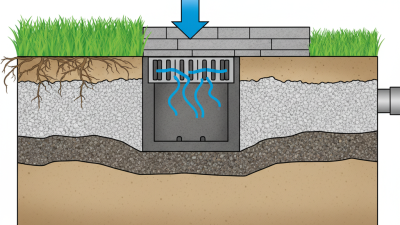
In the context of efficient water management, the significance of a drainage channel cannot be overstated. A drainage channel serves as a vital infrastructure component designed to control the flow of excess water, thereby preventing flooding and waterlogging in agricultural, urban, and natural landscapes. With the increasing challenges posed by climate change and urbanization, the need for effective water management solutions has become ever more pressing. A well-planned drainage channel not only mitigates potential water-related disasters but also ensures water conservation by facilitating the optimal distribution of water resources.
Moreover, drainage channels play a crucial role in maintaining the ecological balance within an environment. By managing stormwater runoff, these channels help preserve water quality, promote groundwater recharge, and support local biodiversity. The integration of drainage channels in land use planning and development can lead to sustainable practices that enhance resilience against extreme weather events. Ultimately, understanding the essential functions and benefits of drainage channels is key to fostering better water management strategies that contribute to environmental sustainability and economic stability.
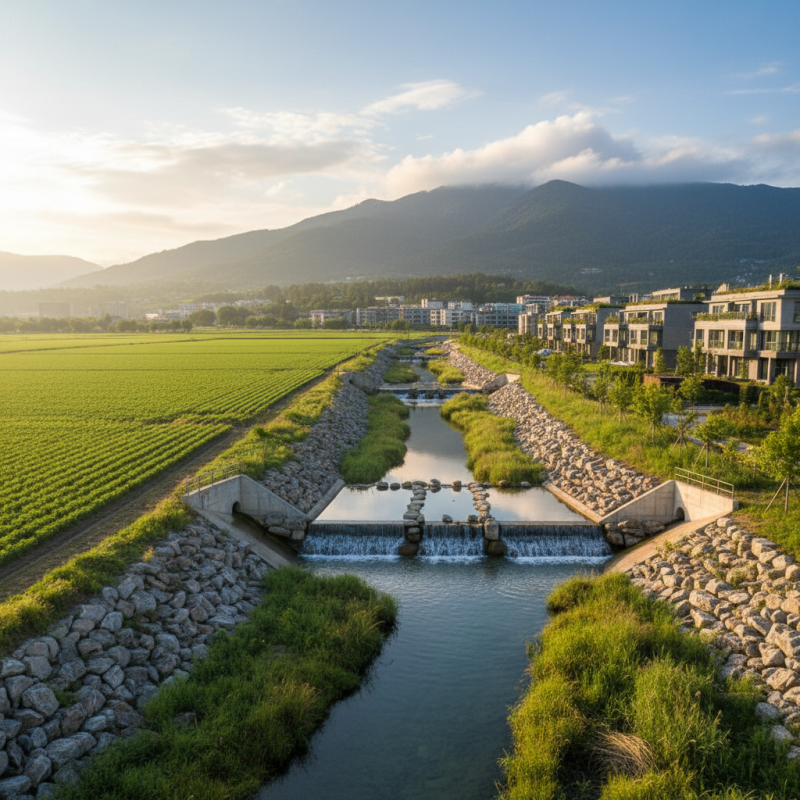
Importance of Drainage Channels in Water Management Systems
Drainage channels play a crucial role in effective water management systems by facilitating the efficient removal of excess water, thereby mitigating the risks associated with flooding and waterlogging. According to the United Nations, approximately 2 billion people live in water-stressed areas, making proper water management essential for sustaining agriculture, protecting infrastructure, and preserving ecosystems. By implementing well-designed drainage channels, communities can enhance their resilience to extreme weather events and maintain a stable supply of water.
Moreover, the importance of drainage channels extends beyond just flood prevention. A report by the World Bank highlights that targeted investments in drainage infrastructure can yield significant economic benefits. For every dollar spent on improved drainage systems, communities can expect to see a return of up to four dollars through increased agricultural productivity and reduced damage to property. Effective drainage management also enables better groundwater recharge, which is vital in regions facing water scarcity. As climate variability continues to challenge traditional water management practices, the integration of robust drainage channels into urban planning and agricultural systems becomes increasingly imperative for sustainable water resource management.
How Drainage Channels Facilitate Flood Prevention and Control
Drainage channels play a pivotal role in effective water management, particularly in the realm of flood prevention and control. According to the Federal Emergency Management Agency (FEMA), flooding is one of the most common and widespread natural disasters in the United States, leading to billions in damages annually. Proper drainage systems can significantly mitigate these risks by facilitating the timely removal of excess water, thus preventing inundation in vulnerable areas. Studies suggest that efficient drainage systems can reduce flood damage by up to 25%, highlighting their importance in urban planning and disaster preparedness.
Furthermore, drainage channels not only help in flood management but also improve water quality by directing stormwater runoff. The Environmental Protection Agency (EPA) reports that unmanaged stormwater is the leading cause of water pollution in urban areas. By employing a network of drainage channels, communities can filter these pollutants before they reach larger bodies of water, thereby enhancing environmental health. Effective drainage planning can lead to sustainable water management practices that benefit both infrastructure and ecosystems, reducing the overall economic burden associated with floods and contamination.
Why is a Drainage Channel Essential for Effective Water Management - How Drainage Channels Facilitate Flood Prevention and Control
| Dimension |
Description |
Impact on Flood Management |
| Channel Size |
Dimensions of the drainage channel including depth and width. |
Larger channels can accommodate more water, reducing overflow risk. |
| Slope |
The gradient of the drainage channel. |
Proper slope ensures efficient water flow and drainage. |
| Material |
Type of materials used in constructing the channel. |
Durable materials reduce erosion and maintenance costs. |
| Vegetation |
Plants growing along the channel. |
Vegetation stabilizes the soil and improves water quality. |
| Maintenance Frequency |
How often the channel is inspected and cleared. |
Regular maintenance prevents blockages and ensures efficiency. |
| Elevation |
Height of the channel compared to surrounding land. |
Higher elevation prevents backflow and flooding of adjacent areas. |
Design Considerations for Effective Drainage Channel Construction
The design of drainage channels is crucial for effective water management, particularly in urban settings where rapid development can overwhelm natural systems. According to the U.S. Environmental Protection Agency, approximately 70% of stormwater runoff occurs in urban areas, making efficient drainage solutions vital for preventing flooding and water pollution. When constructing drainage channels, factors such as channel shape, slope, material selection, and vegetation must be carefully considered to enhance functionality and sustainability.
A well-designed drainage channel should feature a cross-sectional shape that maximizes flow efficiency while minimizing erosion. Studies indicate that trapezoidal channels are often most effective, as they combine both hydraulic efficiency and stability. Furthermore, incorporating natural materials and vegetation can help to reduce maintenance costs and improve water quality by filtering pollutants. The Federal Emergency Management Agency emphasizes the importance of integrating green infrastructure techniques, which can manage stormwater more sustainably and reduce the hydrological impact of urban development. Overall, leveraging these design considerations can significantly improve the performance and resilience of drainage systems in managing water effectively.
Water Management: Effectiveness of Drainage Channels
This chart illustrates the effectiveness of different water management strategies in millimeters. Surface runoff is significantly higher compared to other factors such as infiltration, evaporation, and water retention, highlighting the importance of effective drainage channel design in managing water effectively.
Environmental Benefits of Properly Managed Drainage Channels
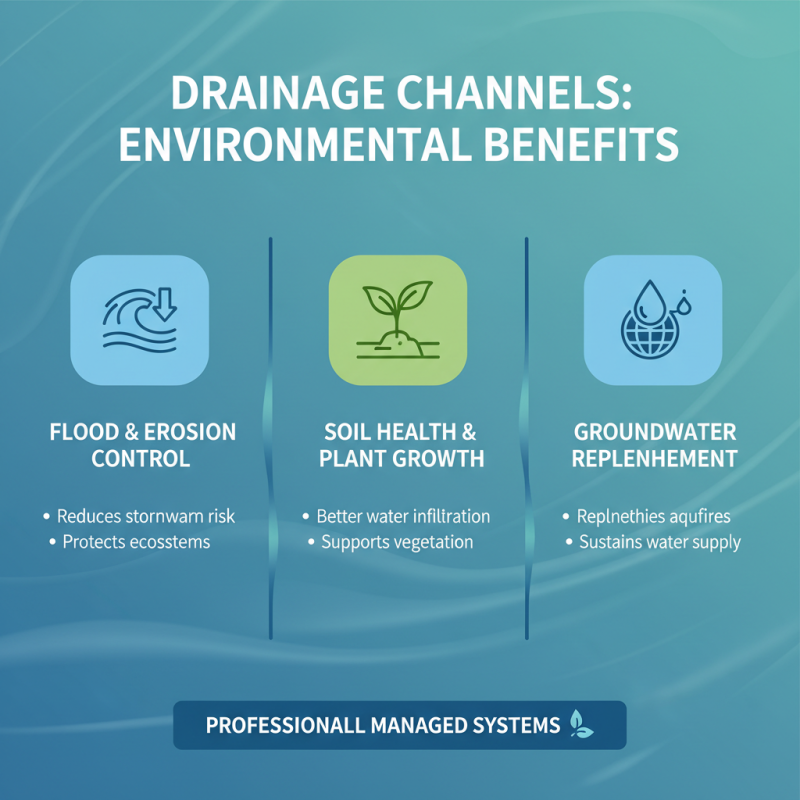
Properly managed drainage channels play a pivotal role in promoting environmental benefits that extend beyond mere water flow control. These channels facilitate the efficient conveyance of excess stormwater, reducing the risk of flooding and erosion. By preventing waterlogging in surrounding areas, they protect ecosystems and maintain the integrity of natural habitats. Moreover, well-designed drainage systems improve soil health by facilitating better water infiltration, which supports plant growth and replenishes groundwater supplies.
In addition to mitigating flood risks, adequately maintained drainage channels enhance water quality. They act as natural filtration systems, trapping sediments and pollutants before they reach larger water bodies. Vegetation along these channels can absorb excess nutrients, further reducing runoff pollution. Additionally, these drainage systems can contribute to biodiversity by providing habitats for various aquatic and terrestrial species, fostering a balanced ecosystem. Ultimately, through their multifaceted environmental benefits, properly managed drainage channels are integral to sustainable water management strategies that promote the health of both human communities and the natural environment.
Impact of Drainage Channels on Agricultural Water Use Efficiency
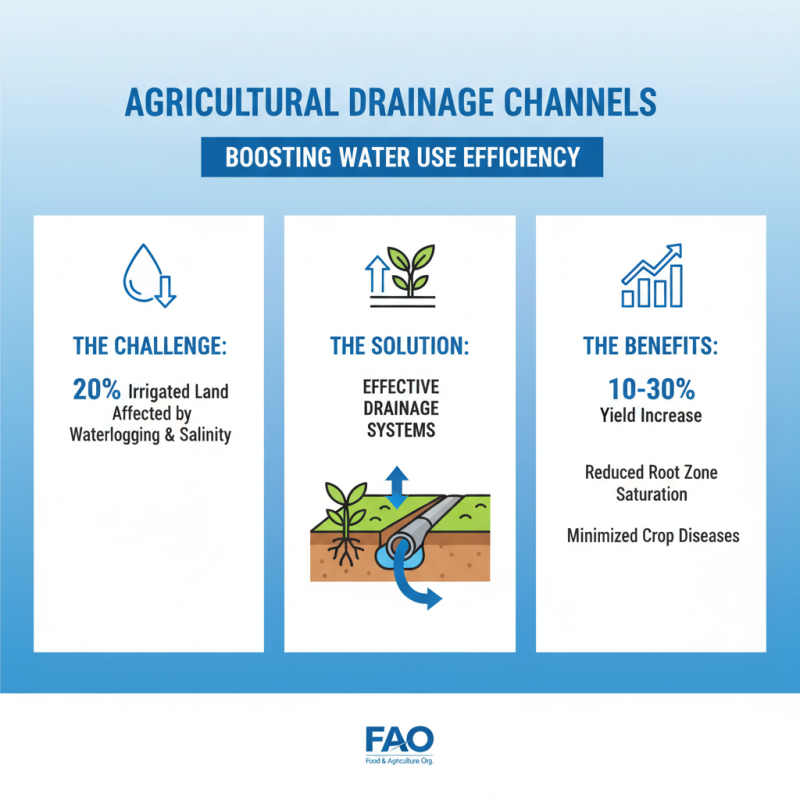
Drainage channels play a crucial role in enhancing agricultural water use efficiency, particularly in areas prone to excessive rainfall or poor natural drainage. According to the Food and Agriculture Organization (FAO), about 20% of the world's irrigated land is affected by waterlogging and salinity, which can severely hinder crop productivity. Effective drainage systems alleviate these issues by transporting excess water away from fields, thereby minimizing root zone saturation and reducing the risk of crop diseases. Farmers utilizing well-designed drainage channels can achieve an increase in yields averaging between 10% to 30%, depending on the crop and environmental conditions.
Furthermore, drainage channels contribute to the efficient use of water resources by managing the timing and distribution of water in agricultural systems. A report by the International Water Management Institute (IWMI) emphasizes that countries implementing advanced drainage technologies have improved their overall water use efficiency by up to 50%. This efficiency is vital in areas facing water scarcity, as it allows for optimal water allocation and minimizes waste. Additionally, the controlled drainage helps in maintaining soil health and fertility, ensuring that agricultural lands remain productive in the long term while supporting sustainable farming practices.