How to Choose the Right Drainage Channel for Your Project?
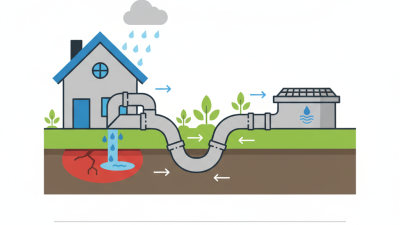
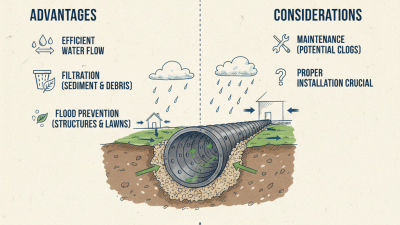
Choosing the right drainage channel for your project is vital. Proper drainage systems help prevent flooding and protect infrastructure. According to recent industry reports, about 30% of urban flooding is due to poor drainage design. This emphasizes the importance of informed decision-making.
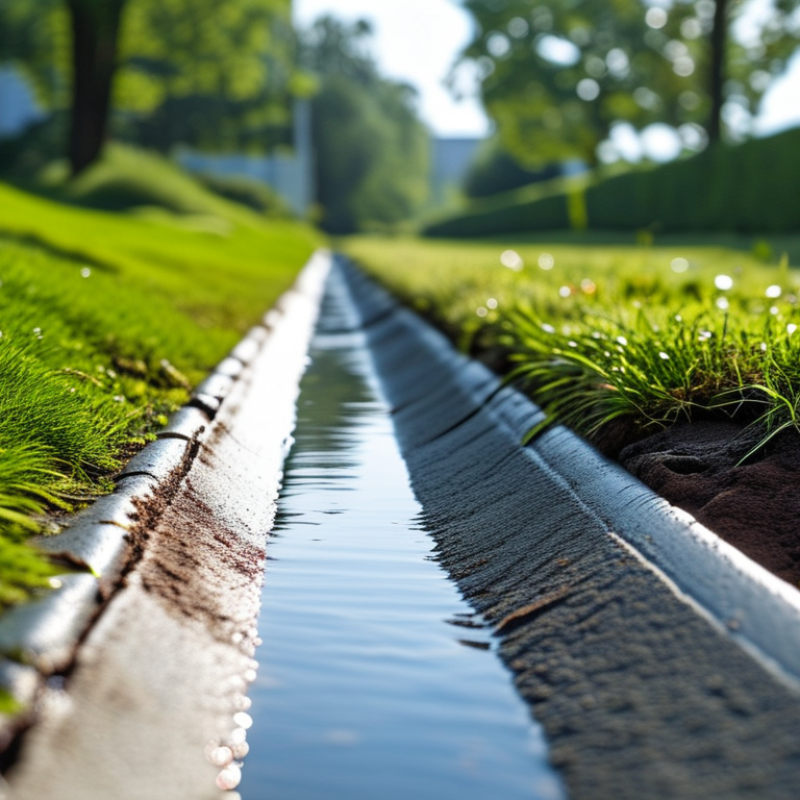
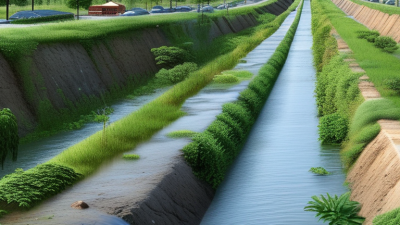
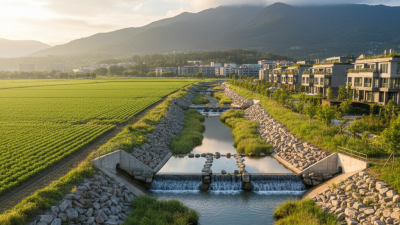
Various factors influence the selection of drainage channels. These include soil type, rainfall patterns, and the expected volume of runoff. For instance, concrete channels are durable and effective but can be costly. In contrast, grass-lined channels provide a more eco-friendly option.
Mistakes in choosing drainage channels can lead to serious issues. Insufficient capacity can cause water backup and property damage. It’s crucial to consider both current and future needs. Reflecting on local climate conditions and trends in urban development can aid in making the right choice.
Factors to Consider When Selecting a Drainage Channel
When selecting a drainage channel, several factors must be weighed carefully. Start with the project’s specific needs. For instance, assess the volume of water that will flow through the channel. A channel designed for high flow will differ significantly from one intended for low volume. Material choices are also critical. Concrete channels offer durability, while plastic may provide flexibility in design.
Consider the environment where the channel will be installed. If it’s in a landscaped area, aesthetics may play a significant role. Think about how the channel will blend with its surroundings. Longevity is another important aspect. Will the channel withstand harsh weather conditions?
Budget constraints can affect your choices as well. Cheaper options may require more maintenance over time. Reflect on whether saving now could lead to higher costs later. Ultimately, it’s about understanding the unique demands of your project. Each decision made during this process is essential for the long-term effectiveness of the drainage system.
Types of Drainage Channels Available for Different Applications
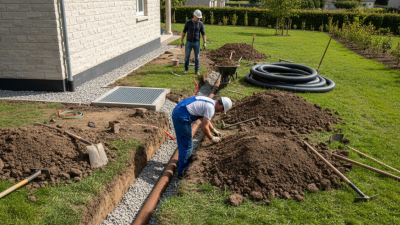
Selecting the right drainage channel is crucial for effective water management in various projects. Different types of drainage channels serve distinct purposes. For residential areas, shallow channels often suffice, directing rainwater away from homes and preventing flooding. These channels are typically made from concrete or plastic and are lightweight and easy to install.
In commercial settings, deeper, more robust channels may be necessary. Heavy-duty options provide greater capacity for water runoff. These channels can handle high traffic and are built to endure significant wear. When choosing, consider factors like location and soil type. Reflection on past drainage issues can guide your decision.
It is worth noting that not every type of drainage will work for all climates. Some areas may require slotted channels, while others benefit from grated designs. Understanding local rainfall patterns is essential. Improper channel selection can lead to inadequate drainage, resulting in costly repairs. Analyzing your project needs carefully will lead to better outcomes.
How to Choose the Right Drainage Channel for Your Project?
This chart provides an overview of the usage percentage of different types of drainage channels in various applications. Selecting the right type is crucial for effective drainage management in your project.
Assessing Site Conditions for Optimal Drainage Solutions
When assessing site conditions for optimal drainage solutions, a few key factors need your attention. Start by evaluating the landscape. Is it flat or sloped? Flat areas may require different channel designs compared to sloped sites. Inspect the soil type as well. Sandy soils absorb water quickly, whereas clay soils retain it. This difference can influence drainage efficiency.
Next, consider existing vegetation and structures. Trees and buildings can obstruct water flow, potentially causing pooling. Identify where high water levels are common during heavy rainfall. These areas are significant indicators of where drainage might be needed most. Don't overlook local regulations either; they can dictate the types of channels permitted.
Finally, think about maintenance. A good drainage channel requires regular upkeep. Clogged channels can lead to failures, increasing risks of flooding. Review your site's long-term needs. Your project might be perfect today but could face challenges tomorrow due to changing weather patterns. Reflect on these variables as you choose the right drainage channel, ensuring it meets both current and future demands.
Evaluating Material Choices for Durability and Performance
When evaluating material choices for drainage channels, durability and performance should be top priorities. Concrete, for instance, is known for its high compressive strength and longevity, often surpassing 50 years in service life. A report from the National Ready Mixed Concrete Association indicates that properly designed concrete channels can efficiently handle stormwater, resisting erosion and wear.
Plastic materials, such as polypropylene, have become increasingly popular due to their lightweight nature and corrosion resistance. However, they may not perform as well under heavy traffic conditions. Various studies highlight that while plastic channels can be cost-effective, they might require more frequent replacement compared to concrete options. Choosing the right material often involves a balance between initial costs and long-term maintenance.
Effective designs can often overlook critical factors. For example, drainage channels must be compatible with local soil conditions to avoid premature failure. Regular inspections are also essential, as materials may degrade differently based on environmental exposure. Addressing these concerns can lead to more informed decisions.
Consider the lifespan, local climate, and project needs when selecting materials. Investing time in research upfront can significantly reduce long-term costs. Choosing a material that aligns with your functional requirements will enhance channel performance and longevity.
Cost Considerations and Budgeting for Drainage Channel Projects
When considering the cost of drainage channels, it's crucial to factor in materials, installation, and maintenance. According to industry reports, the average cost of installing drainage channels ranges from $10 to $40 per linear foot. This variance depends heavily on the channel type and the specific project's needs. For example, precast concrete channels may cost more upfront but often have a longer lifespan, offering potential savings over time.
Tip: Think about the environment where the drainage channel will be installed. Soil condition and climate can impact both material choice and long-term durability. The wrong choice here can lead to additional costs down the line due to frequent repairs.
Budgeting for drainage channel projects also requires considering long-term maintenance. Many property owners overlook this aspect. A poorly maintained channel can lead to erosion and flooding, causing significant additional expenses. Studies indicate that neglecting maintenance can double overall project costs within five years.
Tip: Consult with local experts who understand the specific environmental challenges in your area. Their knowledge can prevent costly mistakes and ensure that the chosen drainage system is appropriate for your project.