How to Choose the Best Drainage Systems for Your Needs?
Choosing the right drainage systems is essential for managing water effectively. An appropriate system can prevent flooding and protect your property. Different environments require different solutions. You might need to analyze your local climate, soil type, and landscape.
Many homeowners overlook the complexity of drainage systems. Poor choices can lead to costly repairs or worse, water damage. Knowledge in this area is crucial. It’s important to understand the unique needs of your space before making a selection. Each drainage system has its specific advantages and drawbacks.
You should consider consulting with experts. They can provide insights tailored to your situation. Evaluate options like French drains, surface drains, and downspouts. Remember, investing time in research now can save you from issues later. Choosing the best drainage system means thinking about both immediate needs and long-term solutions.
Understanding Different Types of Drainage Systems Available
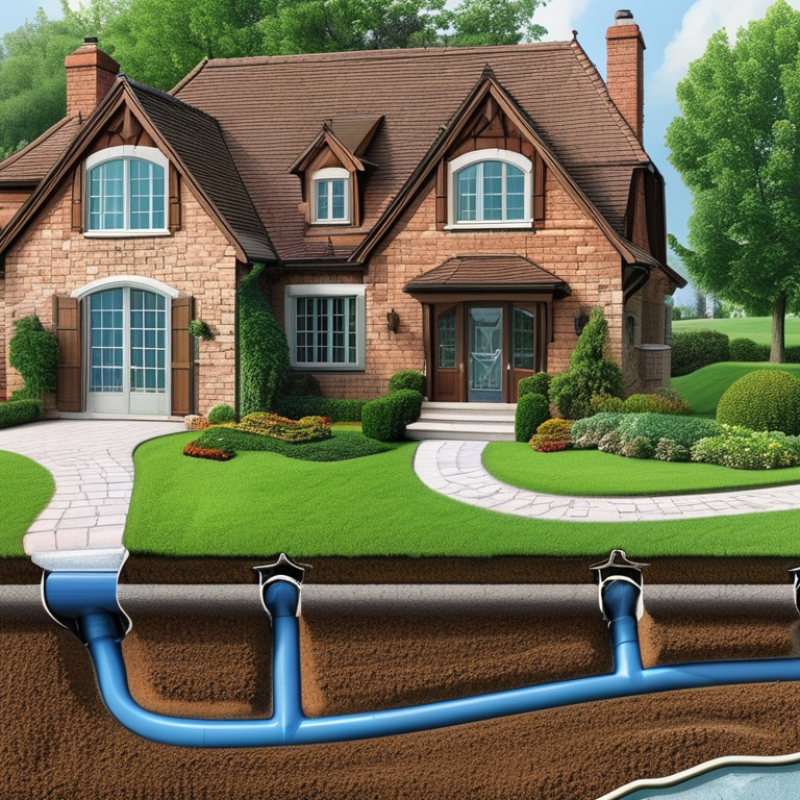
When selecting a drainage system, it's crucial to understand the various options available. Each type serves different purposes, catering to distinct environments and needs. For example, French drains are excellent for redirecting water away from foundations. They consist of a trench filled with gravel and a perforated pipe, allowing efficient water flow. These systems are particularly effective in areas prone to flooding.
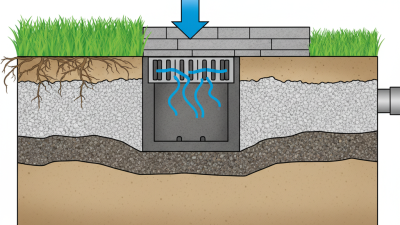
Another common option is surface drainage. This method involves designing landscapes to encourage water runoff to a designated area. It can include grading, ditches, or swales. While this system is straightforward, challenges can arise if not properly designed. Ensuring adequate slope and depth matters greatly. Neglecting these details may lead to improper drainage and standing water.
Lastly, consider subsurface structures like sump pumps. These systems actively remove water from basements or low-lying areas. However, they require regular maintenance to function effectively. Ignoring this can lead to pump failure during critical times. Each drainage solution has its unique complexities. Understanding these nuances helps you make an informed decision tailored to your specific conditions.
Factors to Consider When Choosing a Drainage System
When considering a drainage system, it's crucial to evaluate the specific needs of your property. Different environments require varying approaches. For instance, areas prone to heavy rainfall need robust solutions to manage water flow efficiently. This could mean installing French drains or surface drainage systems. The choice here can significantly impact both property safety and maintenance needs.
Soil type is another critical factor. Sandy soils drain well, but clay soils can lead to pooling and flooding. Understanding your land’s composition can guide you toward the right system. You may need to perform soil tests for the best results. Observing how water behaves during rain can provide practical insights.
Lastly, consider the layout of existing structures. Trees, buildings, and driveways all influence drainage. You might find that what seems suitable doesn’t work in practice. Often overlooked, these obstacles can lead to ineffective systems. Reflecting on your site analysis can save future headaches.
Assessing Your Property's Specific Drainage Needs
Assessing your property's specific drainage needs is crucial for maintaining its integrity. Poor drainage can lead to flooding, soil erosion, and foundation problems. According to the American Society of Civil Engineers, over 40% of U.S. homes experience water damage, primarily due to inadequate drainage solutions. This indicates the importance of assessing your property precisely.
Begin by evaluating the layout of your land. Look for low-lying areas where water naturally collects. Examine the soil type; clay soils retain water, while sandy soils drain quicker. A survey from the National Resource Conservation Service shows that soil texture affects drainage capabilities significantly. You may need to install a more robust system if you have clay soil.
Also, consider the landscaping around your property. Overgrown vegetation can obstruct drainage paths. Reflect on the impact of changing weather patterns as well. Increased rainfall and flooding events are becoming common. A recent report by the National Oceanic and Atmospheric Administration indicates that extreme precipitation events have increased by about 30% over several decades. This screams the need for effective drainage systems tailored to your environment.
Evaluating Material Options for Drainage Systems
When evaluating material options for drainage systems, it's crucial to consider factors like durability and permeability. The most common materials are plastic, concrete, and metal. Each has its pros and cons that can impact performance over time. For instance, plastic is lightweight and resistant to corrosion, but it may not hold up under heavy loads. Concrete offers strength but often requires additional maintenance. Metal can rust unless coated properly.
You must also think about the environment where the system will be installed. Some materials fare better in wet conditions, while others work well in dry areas. A well-designed system should prevent water pooling and reduce erosion. However, you might encounter challenges like soil type, which can affect drainage efficiency.
Consider initial costs versus long-term maintenance. A cheaper product may save money upfront but could lead to higher costs later. Real-life experiences show that choosing the right material is often a balancing act. Understanding these trade-offs can help you make informed decisions.
Evaluation of Drainage System Materials
Maintenance Tips for Optimal Drainage System Performance
When maintaining a drainage system, focus on regular inspections. Look for signs of clogs or damage. Inspect the pipes, grates, and surface drainage areas. If you notice anything unusual, address it promptly. Ignoring small issues often leads to bigger problems later.
Here are some tips to enhance your drainage system's performance. Regularly clear debris from grates to maintain proper water flow. Ensure that gutters and downspouts direct water away from your foundation. Check for sediment buildup in catch basins. Removing it can improve drainage efficiency.
Perform seasonal checks. After heavy rain or storms, assess any changes in water flow. This helps identify potential issues early. If you encounter persistent problems, consider consulting a drainage specialist for solutions. Their experience can prove invaluable.
How to Choose the Best Drainage Systems for Your Needs? - Maintenance Tips for Optimal Drainage System Performance
| Drainage Type |
Best Use Case |
Maintenance Frequency |
Cost Range ($) |
| French Drain |
Basements and yards |
Annual |
1,000 - 3,000 |
| Channel Drain |
Driveways and patios |
Bi-annual |
500 - 1,500 |
| Sump Pump |
Installation in basements |
Monthly |
300 - 1,000 |
| Rain Gutters |
Residential roofs |
Twice a year |
200 - 800 |
| Permeable Paving |
Driveways and sidewalks |
Every 2-3 years |
1,500 - 5,000 |