How to Choose the Best Soakaway Crates for Your Drainage System?
Choosing the right soakaway crates is crucial for an efficient drainage system. As industry expert Mark Thompson states, “Proper selection can prevent future drainage issues.” This highlights the importance of understanding your specific needs when selecting soakaway crates.
Soakaway crates help manage excess water by promoting natural drainage. They come in various sizes and materials. Consider factors such as soil type, site conditions, and water flow rates. A poor choice can lead to inadequate drainage and costly repairs. Thus, research is essential before making a decision.
Many overlook the details while focusing on price. It's vital to prioritize quality and suitability over cost alone. Engage with local suppliers to gain insights into the best options available. Ask questions and seek expert advice. Taking time on this process will lead to a more efficient drainage solution.
Understanding Soakaway Crates and Their Functionality
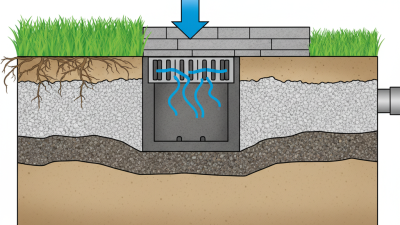
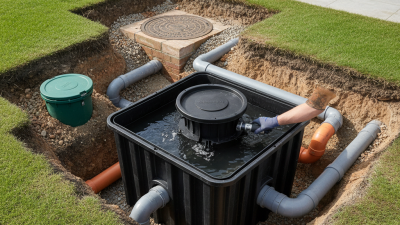
Soakaway crates are essential components in modern drainage systems. They are designed to manage excess rainwater and prevent surface flooding. Understanding how these crates function is crucial for effective water management. Typically made from durable plastic, soakaway crates allow water to infiltrate the ground, reducing runoff. Their modular design allows for various configurations, making them adaptable to different site conditions.
The effectiveness of soakaway crates relies on proper installation and sizing. An improperly sized soakaway can lead to water pooling or system failure. Factors such as soil type and drainage requirements play a significant role in their performance. Common mistakes include not accounting for soil permeability or local regulations. Each installation site is unique, and overestimating soil capacity can lead to problems.
When selecting soakaway crates, consider specific project needs. The arrangement and depth of installation require careful planning. A well-designed soakaway system can dramatically improve drainage efficiency. However, even with good intentions, mistakes can happen. Continuous monitoring and adjustment are part of maintaining a reliable drainage system. Understanding these nuances ensures better long-term outcomes for your property.
How to Choose the Best Soakaway Crates for Your Drainage System?
| Dimension |
Material |
Load Capacity |
Volume |
Drainage Rate |
| 600mm x 600mm x 300mm |
Polypropylene |
12 tons |
150 liters |
500 liters/hour |
| 800mm x 800mm x 400mm |
Recycled Plastic |
10 tons |
200 liters |
600 liters/hour |
| 1000mm x 1000mm x 200mm |
HDPE |
15 tons |
180 liters |
700 liters/hour |
| 500mm x 500mm x 400mm |
Fiber Reinforced Plastic |
8 tons |
120 liters |
450 liters/hour |
| 700mm x 700mm x 300mm |
Composite Material |
14 tons |
250 liters |
800 liters/hour |
Factors to Consider When Selecting Soakaway Crates
Choosing the best soakaway crates requires careful consideration of several key factors. The materials used in the crates significantly impact their durability and efficiency. Crates made from recycled plastic have become popular due to their lightweight nature and resistance to environmental degradation. According to a report by the National Drainage Association, using recycled materials can enhance the sustainability of drainage systems by reducing waste.
The storage capacity of the soakaway crates is another crucial aspect. It’s essential to understand the volume of water they need to handle based on your drainage area. A study showed that systems designed to manage a runoff volume in excess of 500 liters per storm event have reduced flooding risks by up to 30%. Sizing your soakaway crate system appropriately protects both the surrounding environment and the infrastructure.
Ensure the crates have adequate access points for maintenance. This practice is vital for long-term performance. Regular check-ups can prevent blockages and other issues that could lead to failures. Many installers overlook this, which can lead to costly repairs later.
Consider local regulations and soil conditions. Not all areas will allow the same types of soakaways. Some soils drain slowly, while others accommodate rapid drainage. This variability can affect your choice significantly. Always consult local guidelines to ensure compliance with drainage laws.
Comparing Different Materials for Soakaway Crates
When selecting soakaway crates for drainage systems, material choice plays a crucial role. Common materials include plastic, concrete, and recycled options. Each material offers distinct properties that can affect both performance and sustainability. For instance, plastic crates are lightweight and resistant to corrosion, but they may not be as durable as their concrete counterparts. Data suggests that plastic options can last up to 25 years, while concrete crates can endure for 50 years or more.
Recycled materials are gaining attention for their eco-friendly benefits. Studies show that using recycled aggregates can reduce landfill waste and lower carbon emissions by up to 40%. However, the structural integrity of recycled crates can vary significantly based on the production process. It's essential to consider how the material can withstand local environmental conditions. In areas with heavy rainfall, for instance, the ability of the material to manage water flow effectively is critical.
Ultimately, choosing the right material requires thoughtful evaluation of each option's strengths and weaknesses. Not all plastic is created equal, and not every recycled product meets stringent quality standards. Regular assessments and adjustments are necessary to ensure optimal performance of the drainage system. This careful consideration will contribute to a more reliable soakaway solution.
Installation Considerations for Soakaway Crates
When selecting soakaway crates for drainage systems, installation considerations are crucial. According to a report from the UK Environment Agency, improper installation can reduce the effectiveness of soakaway systems by up to 40%. Soil type plays a critical role. For instance, sandy soils provide quick drainage, while clay soils retain water. This difference can influence how deep and large your soakaway needs to be.
It's essential to check local building regulations before installation. Some areas may have specific requirements regarding soakaway depth and distance from property boundaries. Another important factor is assessing the water table level. High water tables can hinder a soakaway's performance, leading to potential flooding issues. Proper site assessment should be conducted, using tools like percolation tests, to ensure adequate drainage capabilities.
Spacing between crates is also significant. Crates should be placed with sufficient gaps to allow water to flow between them. Too little space can create blockages. In addition, maintaining a clear path for water entry and exit is vital for optimal functioning. Regular maintenance is often overlooked, but it can prevent drainage failures. Evaluating the entire drainage system, and addressing any issues before installation, is necessary for long-term reliability.
Maintenance Tips for Optimal Performance of Soakaway Crates
Regular maintenance enhances the performance of soakaway crates. Inspect them at least twice a year. Check for blockages that can impede water flow. Clearing debris and leaves from the surface is crucial. This simple action often improves drainage efficiency.
Evaluate the surrounding soil conditions. Compacted soil can slow down water absorption, leading to pooling. Aerating the area around the crates helps restore functionality. Additionally, monitor rainfall patterns. Heavy storms may overwhelm the system. Adjusting the water management strategy during prolonged wet spells is wise.
Understanding the signs of trouble is vital. If water begins to pool near the crates, it’s a warning sign. Investigate promptly to avoid costly repairs later. Always be ready to recalibrate your system based on seasonal changes or construction nearby. By staying proactive, you ensure your soakaway crates remain effective over time.