How to Choose the Right Water Pipe Fittings for Your Plumbing Needs
In the realm of plumbing, the significance of choosing the appropriate water pipe fittings cannot be overstated. According to a report by the Plumbing Manufacturers International (PMI), proper selection of plumbing components, including fittings, can lead to a reduction in water wastage by up to 10%. As water conservation becomes a pressing issue worldwide, the importance of durable and efficient water pipe fittings has surged. Not only do they play a critical role in maintaining the integrity of plumbing systems, but they also directly influence water flow, pressure, and overall system longevity.
Moreover, the increasing complexity of modern plumbing systems demands that both professionals and DIY enthusiasts possess a comprehensive understanding of water pipe fittings. A study from the American Society of Plumbing Engineers (ASPE) highlights that nearly 30% of plumbing system failures are attributed to improper fitting choices. Therefore, selecting high-quality water pipe fittings, tailored to specific applications—whether for residential or commercial use—becomes essential to ensure optimum performance and reliability. This article will guide you through the essential factors to consider when selecting the right fittings for your unique plumbing needs.
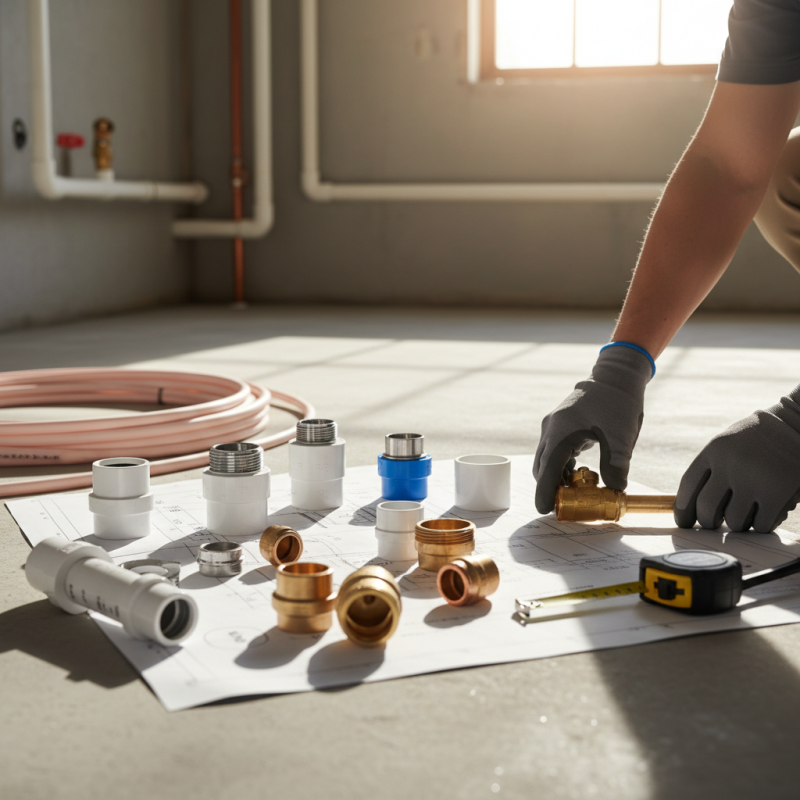
Understanding Different Types of Water Pipe Fittings Available in the Market
When selecting water pipe fittings for your plumbing needs, it's essential to understand the various types available in the market.
Copper tubes remain a popular choice, classified into three main types:
Type K, Type L, and Type M.
Type K has the thickest walls, making it suitable for underground applications, while Type L offers a balance of strength and affordability for general plumbing use.
Type M, with its thinner walls, is best for lighter applications, like residential plumbing and heating systems.
In addition to copper, PVC fittings are seeing substantial market growth.
The PVC pipes and fittings market is projected to reach USD 107.92 billion by 2032, primarily due to their versatility and resistance to corrosion.
Available in forms such as UPVC, CPVC, and flexible PVC, these fittings cater to diverse applications, including water supply and drainage systems.
Understanding these options allows for informed decisions in selecting the right fittings that meet both functionality and budget considerations.
Key Factors to Consider When Selecting Water Pipe Fittings
When selecting water pipe fittings for your plumbing needs, it's essential to consider several key factors to ensure optimal performance and longevity. First and foremost, the type of material used for the fittings significantly impacts their durability and suitability for various applications. Common materials include UPVC, CPVC, and flexible PVC, each with unique properties tailored for specific environments. For instance, CPVC fittings are ideal for hot water systems due to their high-temperature resistance.
Another crucial factor to consider is the compatibility of the fittings with existing pipes. Ensuring that the fittings match the size and type of pipeline is vital to prevent leaks and maintain effective water flow. Additionally, think about the installation environment; some fittings are better suited for outdoor use or exposure to chemicals, while others are designed for indoor applications.
Tips: Always verify the pressure rating of the fittings, as using a fitting rated for lower pressure than required can lead to failures. Additionally, don't compromise on quality; investing in high-quality fittings can save you from costly repairs in the future. Finally, consult with a professional to ensure you are choosing the right fittings tailored to your specific plumbing system and needs.
Matching Fittings with Pipe Material: A Comprehensive Guide
When selecting water pipe fittings, understanding the compatibility between fittings and pipe material is crucial for ensuring a durable plumbing system. According to a report by the American Society of Plumbing Engineers (ASPE), choosing the correct fittings can enhance flow efficiency by up to 30% in comparison to mismatched fittings. For instance, when working with PVC pipes, it's essential to use PVC fittings that are specifically designed for solvent welding. This ensures a watertight seal, preventing leaks and subsequent water damage.
Copper pipes, on the other hand, require fittings that are either soldered or press-fit. The Copper Development Association estimates that copper systems have a life expectancy of over 50 years, provided the fittings are chosen correctly. Mismatched materials can lead to corrosion and system failures, particularly in high-pressure environments. Therefore, whether you're dealing with PEX, CPVC, or metal pipes, always refer to manufacturer specifications and industry standards to ensure you are pairing the right fittings with your chosen pipe material for optimal performance.
How to Choose the Right Water Pipe Fittings for Your Plumbing Needs - Matching Fittings with Pipe Material: A Comprehensive Guide
| Pipe Material |
Fitting Type |
Common Applications |
Temperature Resistance |
Pressure Rating |
| PVC |
Socket |
Drainage, irrigation |
140°F (60°C) |
200 PSI |
| Copper |
Sweat |
Water supply, heating |
400°F (204°C) |
1000 PSI |
| PEX |
Crimp |
Residential plumbing, radiant heating |
200°F (93°C) |
160 PSI |
| Steel |
Threaded |
Gas, fire systems |
300°F (149°C) |
1500 PSI |
| CPVC |
Socket |
Hot and cold water distribution |
200°F (93°C) |
400 PSI |
Common Mistakes to Avoid When Choosing Pipe Fittings
When selecting pipe fittings for plumbing projects, it's crucial to avoid some common mistakes that can lead to costly repairs and inefficiencies. One major blunder is overlooking the material compatibility of the fittings. Different plumbing systems may require specific materials, such as PVC, copper, or galvanized steel. Neglecting to match these can result in leaks and corrosion, compromising the entire plumbing system.
Another frequent error is underestimating the importance of fitting sizes. Many DIY enthusiasts might assume that standard sizes will work for their needs, but this can lead to mismatched connections. Always measure the pipes accurately and account for any required adaptations. Furthermore, failing to consider the system's pressure requirements when choosing fittings can lead to premature failure. By addressing material compatibility, size accuracy, and pressure needs, one can make informed choices and enhance the longevity of their plumbing system.
How to Choose the Right Water Pipe Fittings for Your Plumbing Needs
This chart illustrates the common mistakes to avoid when selecting pipe fittings based on various factors such as material, size, and application.
Maintenance Tips for Ensuring Longevity of Water Pipe Fittings
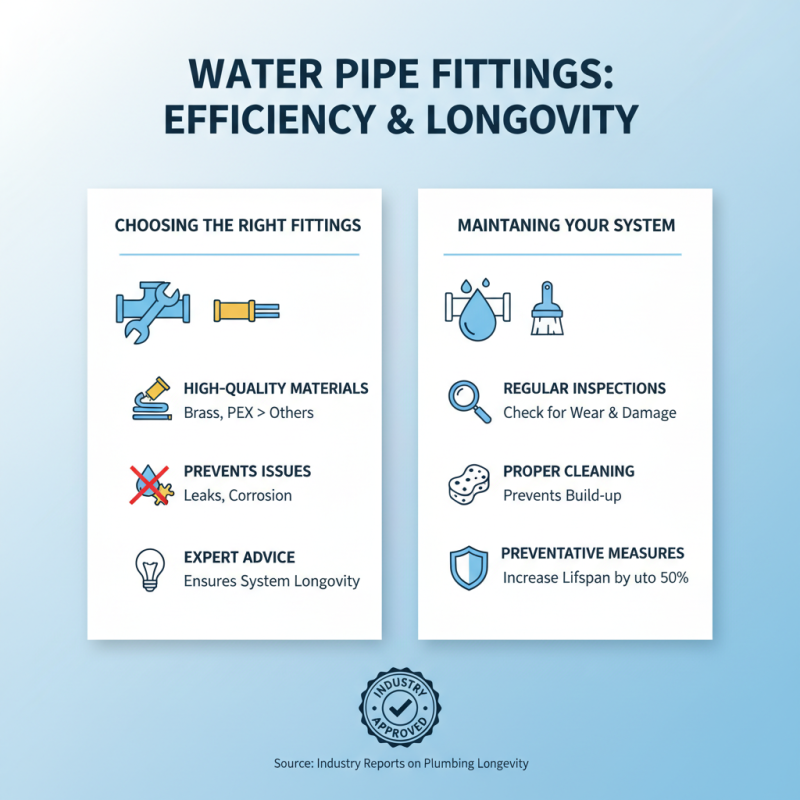
Choosing the right water pipe fittings is integral to ensuring the efficiency and longevity of your plumbing system. To maintain these essential components, regular inspections and proper cleaning are crucial. As expert advice often points out, choosing high-quality materials can prevent common issues such as leaks and corrosion, which are critical for the longevity of fittings. For instance, fittings made from brass or high-grade PEX can withstand the test of time compared to lower quality alternatives. Research from industry reports indicates that improper maintenance can reduce the lifespan of plumbing fittings by up to 50%, underscoring the importance of preventive measures.
To ensure longevity, consider a cleaning schedule that involves inspecting for signs of wear and tear, such as cracks or corrosion, and utilizing appropriate cleaning agents that won’t harm the fittings. Additionally, maintaining optimal water pressure can prevent stress on these components, thereby prolonging their functional life. Statistics suggest that approximately 75% of plumbing failures are due to lack of maintenance, highlighting the need for consistent upkeep. Simple actions, like ensuring proper drainage and avoiding harsh chemicals during cleaning, can lead to significantly improved durability of your water pipe fittings.