
Decorative Paper Sheets bring color, texture, and repeatable patterns to furniture panels, flooring, and interior surfaces. For global buyers, choosing a Chinese manufacturer is not only about comparing prices. Print consistency, basis weight, roll width, moisture control, and packaging all affect performance on the production line. A sample may look convincing under showroom lights. It must also match after pressing.
Industry data helps set the wider context, but it has limits. FAO’s Forest Products Annual Market Review 2023–2024 and CEPI’s Key Statistics 2023 track broader forest-product, pulp, paper, and paperboard trends. They do not isolate decorative paper sheets as a separate global market category. That distinction matters: broad paper figures cannot, by themselves, prove a supplier’s capacity or product quality. Buyers should pair market data with factory audits, technical datasheets, test results, and batch-level samples.
Details matter. This guide examines Chinese manufacturers through practical criteria, including printing technology, design development, quality control, lead times, and export experience. It also considers how suppliers communicate when specifications change—a small test, but a revealing one. Not every mill. Not every buyer. A useful shortlist is never perfect, and published claims deserve verification. With clear requirements and careful checks, global purchasers can identify partners suited to their applications, rather than simply choosing the lowest quotation.
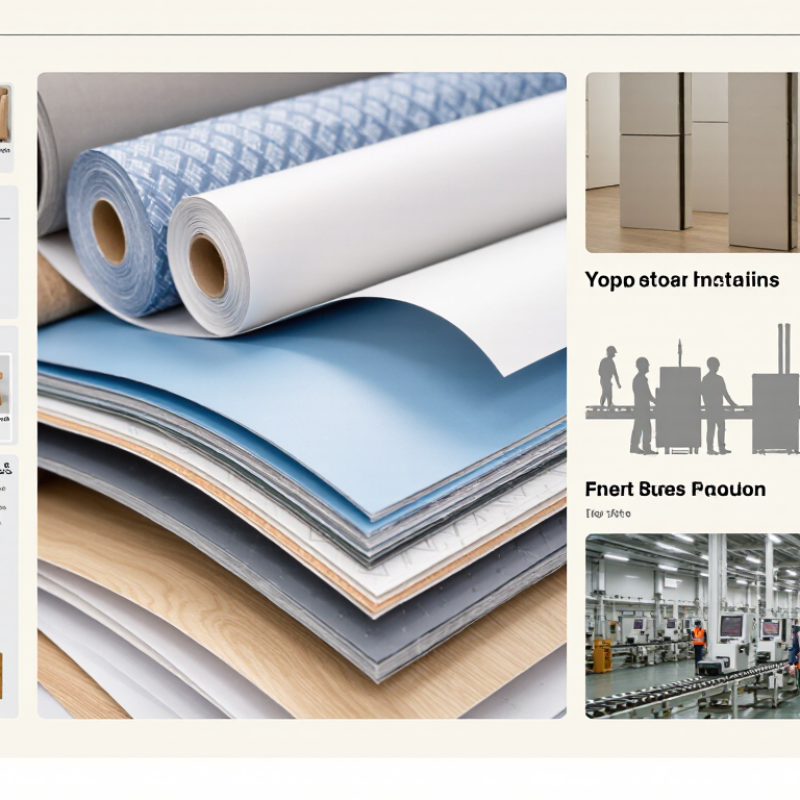
Decorative paper sheets bring color and texture to furniture panels, cabinet interiors, wall features, and packaging. Their suitability depends on the substrate, adhesive system, and expected wear. A pattern that looks balanced under showroom lights may feel too strong beside a window. Check samples in the actual room.
Grades can vary in basis weight, opacity, print clarity, surface treatment, and resistance to abrasion or fading. Lightweight sheets may suit wrapped profiles and curved edges. Heavier or treated papers can be better for flat panels that receive frequent handling. Grade names are not universal. Ask for technical data, tolerances, and test conditions instead of relying on labels alone.
Global buyers should consider humidity during storage and shipment, as well as roll width, core size, and protective packaging. Request a sample roll and confirm color consistency across batches. Ask for composition details and clear handling guidance. Small details matter. Some specifications remain vague, and buyers may overlook them when deadlines tighten. That is a risk worth acknowledging early.
| Paper Type or Grade | Typical Characteristics | Common Applications | Key Buyer Checks | Global Purchasing Notes |
|---|---|---|---|---|
| Printed decorative paper | Printed specialty paper is selected for appearance, print consistency, opacity, and compatibility with the intended resin and pressing process. Basis weight varies by product and application. | Decorative surfaces for furniture panels, flooring, doors, wall panels, and high-pressure or low-pressure laminate products. | Confirm approved artwork, color references, print repeat, shade tolerance, surface appearance, basis weight, and resin compatibility. | Request production samples and an agreed color standard before ordering. Protect rolls or sheets from moisture, dirt, and direct sunlight during storage and transit. |
| Impregnation-ready decor paper | Specified for controlled resin absorption and process performance. Porosity, absorbency, moisture, and wet strength may matter as much as basis weight. | Resin-impregnated decorative laminates and overlay products used in panel surfacing. | Ask for the technical data sheet, recommended resin system, impregnation guidance, moisture limits, and test methods used for quality control. | Check that the grade is suitable for the buyer’s resin, production line, and pressing conditions; paper performance can change with process settings. |
| Overlay paper | Usually a light-colored or transparent paper designed to form a protective surface layer when used in a laminate construction. Some products use high-purity cellulose fibers. | Wear and surface-protection layers in selected laminate flooring, furniture, and decorative panel constructions. | Confirm transparency, resin uptake, abrasion-performance requirements for the finished product, and compatibility with the decorative print layer. | Finished-surface performance depends on the complete laminate construction and processing, not on the paper alone. Request relevant finished-product test results. |
| Balance or backing paper | Selected to help balance a panel construction and support stable processing. Required weight and properties depend on the product design. | Back layers for laminated boards, furniture components, and other panel products. | Check compatibility with the face layer and substrate, required dimensions, moisture condition, and the intended pressing process. | Confirm whether the order is supplied as sheets or rolls, and agree packaging and pallet requirements before shipment. |
| Solid-color decorative paper | Color-focused paper made for consistent appearance across production lots. Opacity, shade, and print or coating method vary by grade. | Plain-color furniture panels, interior components, cabinets, and laminate surfaces. | Approve a physical color sample under agreed lighting conditions; define acceptable shade variation and repeat-order controls. | For repeat purchases, retain a signed or otherwise controlled reference sample and identify the applicable color standard in the order documents. |
| Woodgrain or pattern-printed paper | Printed to reproduce woodgrain, stone, textile, or other visual patterns. Pattern repeat, registration, and print consistency are key attributes. | Decorative panels, furniture surfaces, flooring, doors, and interior fittings. | Verify pattern repeat, print direction, registration, color approval, and whether the supplied format matches the production layout. | Request sample material showing a full pattern repeat. Confirm roll direction or sheet orientation to reduce layout and matching problems. |
| Sheet size and format | Available dimensions depend on the product, production equipment, and supplier’s converting capability; there is no single universal sheet size. | Cut-to-size panel production and other processes requiring sheet-fed material. | Specify length, width, tolerances, squareness, edge condition, quantity per pack, and whether dimensions refer to trimmed sheets. | Check container or pallet loading plans, pack dimensions, and handling requirements to avoid damage and unexpected freight costs. |
| Quality documents and compliance | Documentation should match the exact product and shipment. Environmental claims apply only when supported by valid, relevant certification or evidence. | Supplier qualification, customs documentation, customer approval, and responsible-sourcing programs. | Request a current technical data sheet, safety information where applicable, certificate scope and validity, and agreed inspection records. | Confirm destination-market requirements with the importer or customs broker. Do not assume a certificate or regulatory claim applies to every grade or shipment. |
| Pre-shipment inspection and packing | Inspection plans can cover appearance, dimensions, packaging, quantity, and agreed test properties. | Export orders of printed or unprinted decorative paper in sheets or rolls. | Agree sampling method, acceptance criteria, inspection timing, lot identification, and procedures for handling nonconforming goods. | Use moisture-resistant, protective packing appropriate to the transport route, and verify that shipping marks match the purchase documents. |
Buyer reminder: Decorative-paper specifications and terminology vary between suppliers and end uses. Compare like-for-like technical data, approve samples, and document tolerances, test methods, packaging, and delivery terms in the purchase agreement.
