What are the Best Inspection Chambers Available in China?
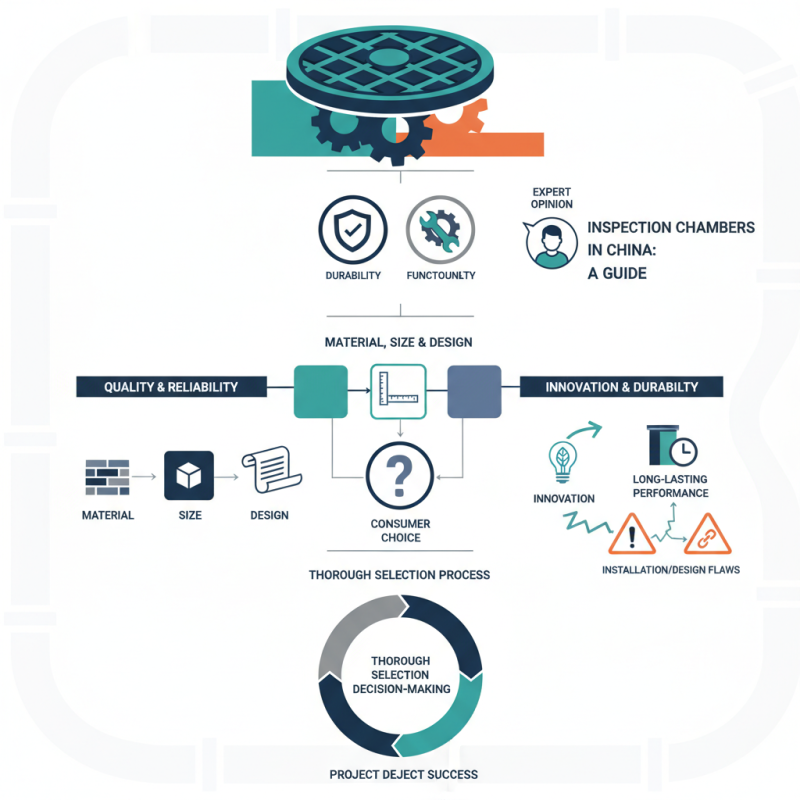
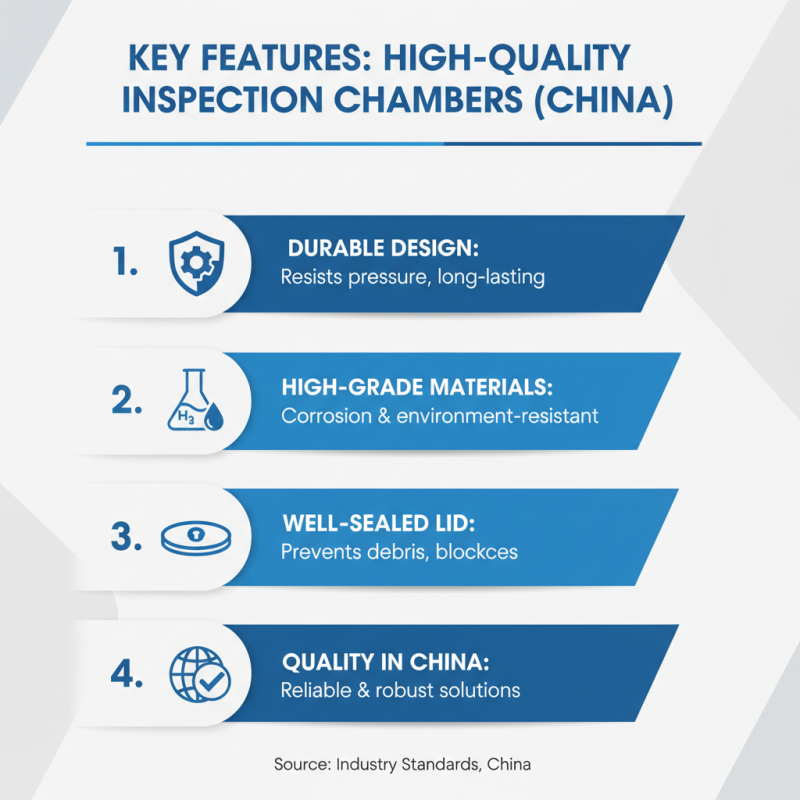
When considering the best inspection chambers available in China, it's crucial to look at quality and reliability. Experts emphasize durability and functionality in this sector. According to industry specialist Dr. An Li, “A reliable inspection chamber is paramount for efficient underground inspections.”
Current market options abound, yet the right choice can depend on specific needs. Factors include material, size, and design. Chinese manufacturers are focusing on innovations, but not all products guarantee long-lasting performance. Consumers must navigate these choices carefully.
Moreover, while many inspection chambers seem perfect, issues can arise. Installation challenges or design flaws may emerge over time. A thorough selection process is essential. Understanding the intricacies of each product will lead to better decision-making. A deeper exploration into the offerings can make all the difference for project success.
Types of Inspection Chambers Commonly Used in China
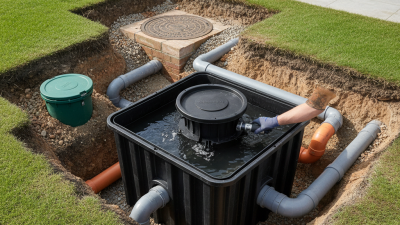
Inspection chambers serve a vital role in infrastructure maintenance in China. Various types are commonly used to suit different needs. The two primary types found are manhole inspection chambers and access chambers. Manhole inspection chambers are primarily used in sewer systems. They allow for easy access to underground piping. Access chambers, on the other hand, are versatile. They cater to multiple services, including electricity and telecommunications.
Materials for these chambers also vary. Concrete is a popular choice due to its strength. However, lightweight plastic versions are increasingly used in less demanding settings. This shift highlights an ongoing debate over durability versus ease of installation. Another consideration is the size; standard dimensions may not always meet specific project requirements. Adjustments often lead to complications.
Revisiting the design aspects, some chambers lack adequate sealing solutions. This can lead to potential issues like infiltration. Both contractors and city planners must communicate effectively to avoid such oversights. The choice of inspection chamber should emphasize not only functionality but also long-term performance. Balancing cost and quality remains a challenge for many in the industry.
What are the Best Inspection Chambers Available in China? - Types of Inspection Chambers Commonly Used in China
| Type of Chamber |
Material |
Common Applications |
Advantages |
| Precast Concrete Chamber |
Concrete |
Sewage, Stormwater |
Durable, High Load Capacity |
| Plastic Inspection Chamber |
Polyethylene |
Residential Wastewater |
Lightweight, Corrosion Resistant |
| Fiberglass Chamber |
Fiberglass Reinforced Plastic |
Chemical Waste, Industrial Fluid |
Chemical Resistance, Lightweight |
| Brick Chamber |
Brick |
Historical Sites, Urban Areas |
Aesthetic, Customizable |
| Modular Inspection Chamber |
Concrete/Plastic |
Flexible Installations |
Easy to Assemble, Versatile |
Material Comparisons for Inspection Chambers: Pros and Cons
When considering inspection chambers, material choice plays a crucial role. The most common options include concrete, plastic, and metal. Each material has distinct advantages and disadvantages that can greatly impact their performance and longevity.
Concrete chambers are known for their strength and durability. They can withstand significant loads, making them suitable for heavy traffic areas. However, they are heavy and can be challenging to install. Additionally, concrete is susceptible to cracking under certain conditions, which may lead to future maintenance issues.
Plastic inspection chambers offer lightweight and corrosion-resistant properties. They are easier to handle and can be installed quickly. However, their longevity is often questioned compared to concrete. Intense heat or UV exposure can degrade plastic over time. Metal chambers, while durable, can be prone to rusting if not properly coated. Each material presents unique strengths and weaknesses, leading to important considerations based on specific project needs.
Comparison of Inspection Chamber Materials
This chart compares the durability and cost of various materials used for inspection chambers in China. The bars represent durability on a scale from 1 to 10, and the second dataset shows the average cost per unit in USD, providing an overview of the pros and cons of each material type.
Top Manufacturers and Brands of Inspection Chambers in China
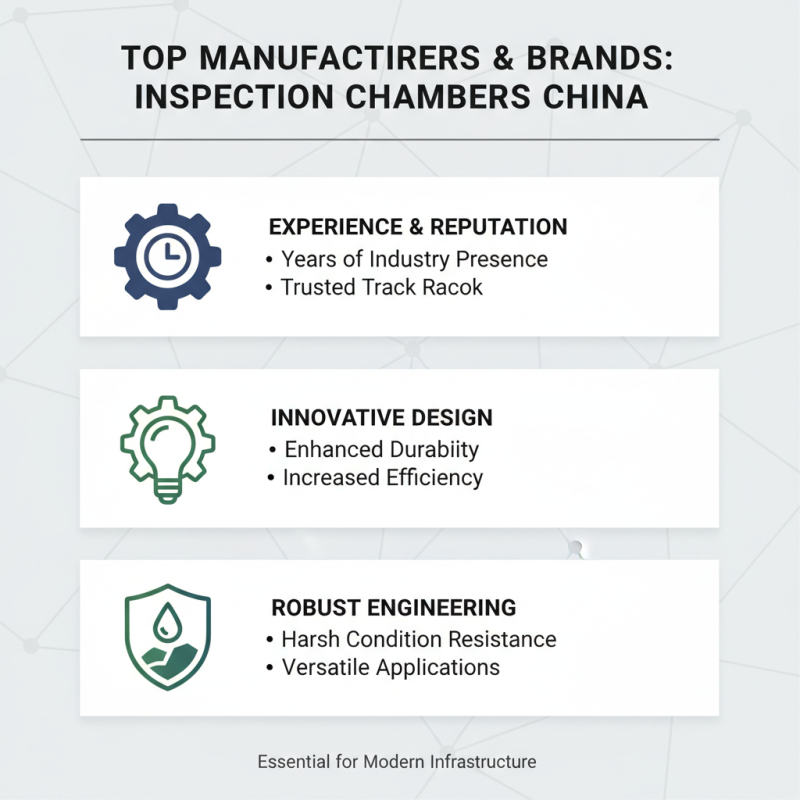
When exploring inspection chambers in China, several top manufacturers stand out. Their reputation often stems from years of experience in the industry. Many of these companies focus on innovative designs that enhance durability and efficiency. They engineer chambers that withstand harsh environmental conditions, proving essential for various applications.
These manufacturers prioritize quality control in their production processes. Some offer customizable options, accommodating specific needs of construction projects. Their products often include materials like reinforced concrete and high-density polyethylene, ensuring longevity. While most brands aim for high standards, not all achieve the same reliability. Careful assessment and research are crucial in selecting the right manufacturer.
In addition, regional differences can influence manufacturing practices. Some areas may possess a rich history of producing high-quality construction materials. However, others might still be developing their capabilities. It’s important to reflect on not just the product but also the service and support each brand provides. This can play a significant role in the overall satisfaction and effectiveness of the chosen inspection chambers.
Regulatory Standards and Compliance for Inspection Chambers
In China, inspection chambers are vital for effective drainage systems. Regulatory standards govern their design and installation. Adhering to these regulations ensures safety and efficiency. The standards focus on materials, load-bearing capacity, and durability. Proper compliance is crucial for long-term functionality.
Tips: Always verify materials used in construction. Poor choices can lead to early degradation.
Design specifications vary by region. Different provinces may have unique regulations. Local authorities define these to meet specific environmental needs. Understanding these variations helps avoid compliance issues. It’s essential to remain informed about any updates in the regulatory landscape.
Tips: Regularly consult local regulations. They can change and impact your projects.
While many products claim compliance, not all meet the standards. It’s important to conduct due diligence. Choose suppliers with a solid reputation and verified credentials. Quality control processes should be transparent. This will help reduce potential liabilities in the future. Always prioritize longevity and reliability in your selections.