Best Current Sensor Tips for Accurate Measurement and Selection?
In the world of electronics, choosing the right Current Sensor is crucial for precise measurements. The right sensor can make a significant difference in performance. With numerous options available, making an informed decision is essential. Understanding the various types of Current Sensors helps in managing applications effectively.
Accurate current measurement impacts safety and efficiency in various systems. Selecting the appropriate sensor requires knowledge of the technical specifications. Factors such as range, sensitivity, and response time are key considerations. It's easy to overlook minor details, but they can lead to major issues.
Many individuals may find themselves overwhelmed by choices. Not all sensors fit every application. Real-world testing often reveals hidden challenges that specifications may not disclose. Therefore, gaining insights from experts can enhance the selection process for Current Sensors. Making a thoughtful choice ensures reliability and accuracy in your measurements.
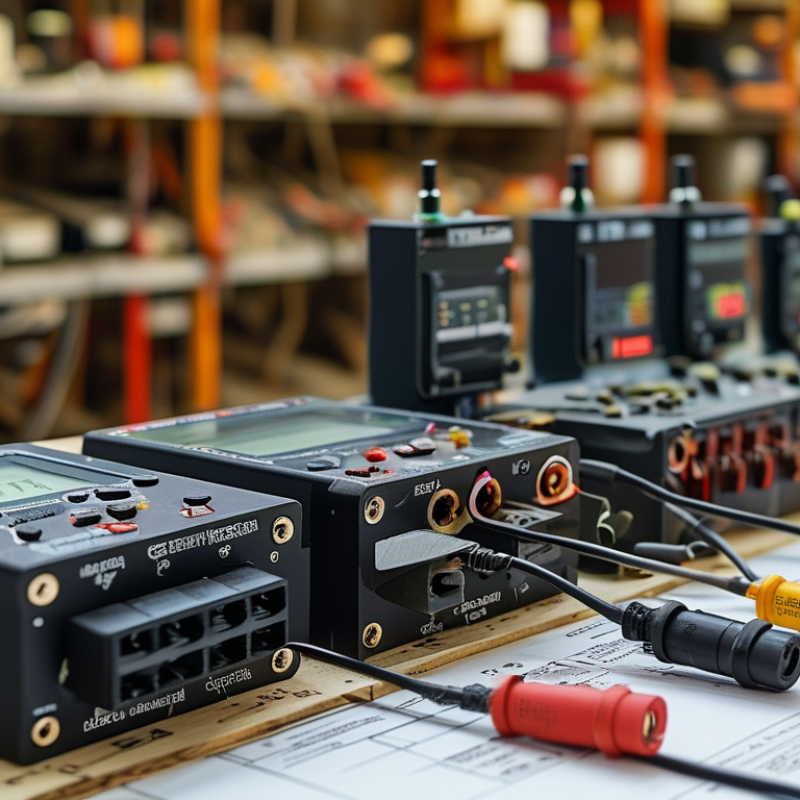
Understanding Current Sensors: Types and Working Principles
Current sensors are essential for accurate measurement in various applications. Understanding the different types of current sensors is crucial for effective selection. Two common types are Hall Effect sensors and shunt resistors. Hall Effect sensors detect the magnetic field generated by electric current. They offer isolation and can measure AC and DC currents.
Shunt resistors, on the other hand, calculate current by measuring voltage drop across a precise resistor. They are cost-effective but can introduce heating issues. Users should consider temperature coefficients and power ratings in their selection. Each type has its advantages and challenges, leading to potential measurement errors.
Improper selection can lead to inaccurate readings. It's important to match the sensor’s range with the expected current levels. Sometimes users overlook sensor placement, which can affect performance. Understanding these principles and reflecting on your choices can enhance accuracy in current measurements.
Key Features to Consider for Accurate Current Measurement
When selecting a current sensor, understanding key features is crucial for accurate measurements. Current sensors must be reliable and precise to ensure optimal performance in various applications. One important aspect is accuracy. According to industry reports, a 0.5% error margin can significantly impact system performance, particularly in sensitive applications.
Another critical factor is the sensor's range. Different sensors offer various current ranges, often from a few microamperes to hundreds of amperes. Choosing a sensor that matches your application's parameters is essential. For example, using a sensor with too wide a range might lead to poor resolution in low-current measurements.
Here's a tip: Always consider the sensor selection based on environmental conditions. Factors like temperature, humidity, and electromagnetic interference can affect performance. Additionally, ensure the sensor has appropriate insulation for safety. Lastly, think about your project's future needs. Sensors with expandable features allow for easier upgrades.
In conclusion, accurate current measurement depends on various features. Analyze specifications thoroughly, considering your unique application. This approach minimizes risks, leading to more reliable performance.
Factors Influencing Current Sensor Selection for Specific Applications
When selecting a current sensor, several factors play a crucial role in ensuring accurate measurements. The sensitivity of the sensor is pivotal. A good sensor should detect minor variations in current. Research indicates that sensors with a resolution of at least 1 mA are preferable, especially for low-power applications.
Another key element is temperature stability. Sensors can be affected by thermal changes, which might lead to erroneous readings. Industry studies show that maintaining a temperature range of ±5°C can significantly improve measurement reliability. This becomes even more critical in environments where heat dissipation is an issue.
Finally, the intended application shapes the choice of sensor technology. For instance, in automotive applications, high-speed response times are essential. A delay in current detection could lead to safety concerns. Moreover, some applications may require isolation from high voltages. The right choice ensures both performance and safety in such scenarios. Evaluating these factors thoroughly can lead to improved accuracy and trustworthiness in measurements.
Best Practices for Installing Current Sensors for Optimal Performance
Installing current sensors requires careful planning and execution. Proper placement is crucial for measurement accuracy. Sensors should be positioned close to the conductor to capture precise data. This reduces the chance of electrical noise affecting readings. Ensure that there is a clear path for signal transmission, as obstructions can distort results.
Wiring practices are also vital. Use short, standard-length cables to connect sensors to measurement devices. Longer cables can introduce resistance and affect accuracy. It’s essential to shield cables from electromagnetic interference, especially in industrial settings. Double-check all connections to prevent signal loss or errors in data.
Regular maintenance cannot be overlooked. Sensors may drift over time, leading to inaccurate readings. Periodic calibration helps ensure continued reliability. Install sensors in locations that allow easy access for maintenance checks. Remember, an effective installation contributes significantly to performance. Being mindful of environmental conditions can also help. Adjustments may be necessary based on temperature fluctuations or humidity.
Best Current Sensor Tips for Accurate Measurement and Selection
| Sensor Type | Measurement Range (A) | Accuracy (%) | Installation Type | Optimal Environment |
| Hall Effect Sensor | 0 - 100 | ±1 | Non-invasive | Indoor |
| Rogowski Coil | 0 - 2500 | ±2 | Flexible | Outdoor |
| Shunt Resistor | 0 - 50 | ±0.5 | Direct | Controlled |
| Current Transformer | 0 - 2000 | ±1.5 | Clamp | Indoor/Outdoor |
| Inductive Sensor | 0 - 100 | ±3 | Non-invasive | Indoor |
Common Challenges in Current Measurement and How to Overcome Them
Accurate current measurement is crucial in many applications, yet several challenges persist. One significant issue is the impact of temperature on sensor readings. According to a report by IEEE, temperature variations can cause measurement deviations of up to 5%. This can be critical in environments where precision is essential. Stabilizing the environment or choosing temperature-compensated sensors can help mitigate these effects.
Another challenge lies in noise interference. High-frequency noise can distort current readings, making them unreliable. A study by the National Institute of Standards and Technology highlights that up to 20% of measurement errors can be attributed to electromagnetic interference. Implementing proper shielding and filtering can significantly improve accuracy.
**Tip**: Opt for sensors with built-in noise reduction features.
Additionally, calibration issues can lead to significant discrepancies. Regular calibration against known standards is vital. Reports indicate that up to 10% of field sensors are found to be out of calibration.
**Tip**: Consider using automated calibration tools to ensure consistent accuracy.
Investing in quality sensors and appropriate accessories can alleviate common measurement challenges. Addressing these issues proactively can lead to reliable and precise current measurements, enhancing overall system performance.
Current Sensor Performance Analysis