Choosing a Biosafety Isolator is a risk decision, not a simple equipment purchase. Global laboratories face different pathogens, workflows, facility standards, and service conditions. The WHO Laboratory Biosafety Manual, fourth edition, recommends a risk-based approach before selecting containment equipment. CDC and NIH guidance also emphasizes validated procedures, operator training, maintenance, and facility integration.
Market evidence supports careful evaluation. Grand View Research’s recent pharmaceutical isolator analysis identifies rising demand for controlled, contamination-conscious processing. MarketsandMarkets likewise links biocontainment growth with advanced biologics, cell therapies, and stricter laboratory controls. Yet market growth does not guarantee suitable protection. A polished enclosure can still fail through poor airflow testing, weak transfer practices, or delayed maintenance.
Peter Emanuel, a recognized biocontainment specialist, has expressed a useful warning: “Containment is a system, not a box.” That principle should guide this global buyer’s list. Look beyond brand visibility. Examine pressure stability, HEPA filter integrity, glove-port ergonomics, decontamination cycles, alarm logic, and local technical support. Watch the small details. Can operators transfer samples without awkward movements? Does the viewing window fog during long procedures? Can replacement gloves arrive quickly in the destination country?
The shortlist is not perfect. Requirements change between research, pharmaceutical, veterinary, and diagnostic environments. Some buyers may also overvalue automation while underestimating training. This guide compares ten leading Biosafety Isolator options through a practical lens, combining published guidance, technical specifications, supplier capability, and real operating concerns. Safety deserves evidence, not marketing language.
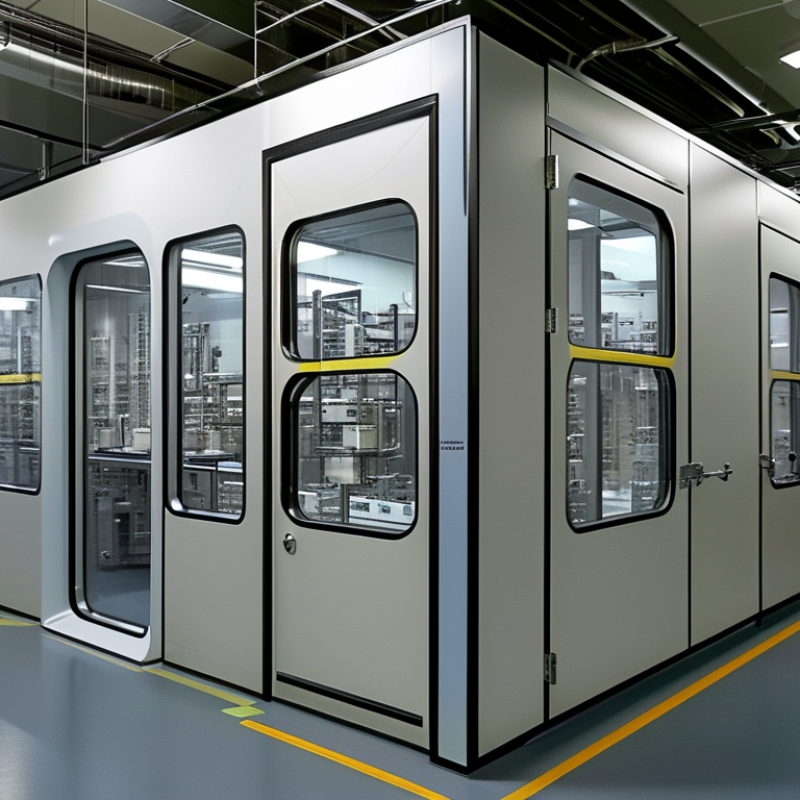
Biosafety isolators create a controlled barrier between laboratory work, personnel, and the surrounding environment. They are designed for procedures that require stronger containment than ordinary open workstations. In practice, the isolator limits aerosol movement, supports cleaner handling, and reduces accidental contact with hazardous materials. Protection works both ways. It safeguards workers and helps protect sensitive processes from external contamination.
Design begins with airflow. A stable pressure gradient directs air through high-efficiency filters and limits uncontrolled leakage. Glove ports, transfer chambers, and sealed waste paths support continuous containment. Transparent panels improve visibility, while adjustable lighting reduces shadows around the work zone. Ergonomics also matters. Poorly positioned gloves can cause fatigue, awkward movements, and avoidable handling errors. A polished enclosure is not automatically a safe one.
Core protection depends on more than hardware. Buyers should review containment testing, filter integrity records, alarm functions, cleaning compatibility, and maintenance access. Operational procedures need clear steps for material transfer, glove replacement, decontamination, and emergency response. Experienced laboratory teams often discover weak points during routine tasks, not during demonstrations. A door seal may wear slowly. An alarm may be ignored if it sounds too often. Selection should therefore combine risk assessment, validated performance data, operator training, and realistic daily-use trials. No isolator removes every risk. Its reliability depends on thoughtful design and disciplined use.
| Rank | Isolator Configuration | Pressure Concept | Airflow and Filtration | Access and Transfer Design | Best-Fit Laboratory Use | Core Protection Delivered | Key Buyer Considerations | Relevant Technical References |
|---|---|---|---|---|---|---|---|---|
| 1 | Rigid-Wall Negative-Pressure Glovebox | Negative pressure Maintains the work zone below the surrounding room pressure to limit outward leakage. | Dedicated supply and exhaust paths; exhaust is normally HEPA-filtered when hazardous aerosols or powders are handled. | Sealed gloves, rigid viewing panels, and interlocked or controlled transfer ports. | Work with infectious materials, hazardous powders, and procedures requiring strong containment. | Primary protection for laboratory personnel and the surrounding environment. | Verify leak-tightness, glove integrity, exhaust redundancy, alarm settings, and safe filter-change procedures. | ISO 14644-7; ISO 29463 or EN 1822 for high-efficiency filters; applicable national biosafety requirements. |
| 2 | Flexible-Film Negative-Pressure Isolator | Negative pressure Flexible enclosure is continuously maintained below ambient pressure. | Unidirectional or mixed airflow may be used; exhaust filtration is selected according to the hazard assessment. | Integrated glove ports, rapid-transfer ports, and disposable or replaceable enclosure components. | Temporary or adaptable containment for animal work, microbiology, and specialized procedures. | Reduces release risk while providing a comparatively mobile containment solution. | Assess puncture resistance, material compatibility, decontamination method, service life, and emergency collapse behavior. | ISO 14644-7; local biosafety guidance; validated filter performance documentation. |
| 3 | High-Containment Powder Isolator | Negative pressure Uses controlled pressure differentials to contain airborne powder and particulate hazards. | Low-turbulence airflow with HEPA or ULPA exhaust filtration; airflow is balanced to reduce powder migration. | Bag-in/bag-out connections, continuous liners, split butterfly valves, or sealed rapid-transfer systems. | Highly potent compounds, toxic powders, sensitizers, and dry-powder laboratory operations. | Limits airborne exposure, cross-contamination, and environmental discharge. | Review containment performance testing, residual powder control, cleaning validation, and filter-loading capacity. | ISO 14644-7; ISO 29463; occupational exposure-control requirements applicable to the jurisdiction. |
| 4 | Cytotoxic Compounding Isolator | Negative pressure Negative pressure is preferred when personnel and environmental protection is the primary objective. | HEPA-filtered supply and exhaust; airflow is designed to protect the operator without disrupting critical compounding tasks. | Sealed transfer chamber, glove ports, waste-disposal connection, and controlled material staging. | Preparation of cytotoxic, genotoxic, or otherwise hazardous pharmaceutical compounds. | Operator and environmental protection from hazardous aerosols, droplets, and surface contamination. | Confirm compatibility with local pharmacy standards, cleaning agents, hazardous-drug procedures, and certification protocols. | USP <800> where applicable; ISO 14644-7; national pharmacy and occupational-safety requirements. |
| 5 | Dual-Chamber Transfer Isolator | Pressure cascade Uses a pass-through chamber with controlled pressure sequencing between the laboratory and work chamber. | Independent filtration and ventilation zones reduce direct air exchange during material movement. | Two-door interlock prevents simultaneous opening and helps preserve containment. | Frequent transfer of samples, tools, consumables, or waste into and out of a contained process. | Reduces contamination and containment losses during material transfer. | Evaluate chamber volume, door interlock reliability, cycle time, transfer disinfection, and power-failure response. | ISO 14644-7; ISO 14644-1 for classified environments where applicable; site biosafety procedures. |
| 6 | Decontamination-Capable Negative Isolator | Negative pressure Maintains containment during operation and supports validated whole-chamber decontamination. | HEPA-filtered supply and exhaust with sealed ducting and sampling points for decontamination verification. | Sealed doors, glove ports, pass-throughs, and integrated ports for chemical or vapor distribution. | Reusable work areas handling infectious or hazardous materials that require periodic full decontamination. | Combines operational containment with reduced residual contamination between campaigns. | Validate chemical compatibility, cycle development, biological indicators, aeration, sensor calibration, and worker re-entry controls. | ISO 14644-7; ISO 14937 principles for sterilizing or decontamination processes; applicable biosafety rules. |
| 7 | Aseptic Positive-Pressure Isolator | Positive pressure Protects the enclosed product or process by keeping filtered air above room pressure. | HEPA-filtered, often unidirectional airflow for a clean internal environment; exhaust may not provide hazardous containment. | Glove ports, rapid-transfer devices, and interlocked material airlocks. | Aseptic processing, sterile preparations, and contamination-sensitive laboratory work. | Primarily provides product and process protection, not automatic personnel protection from hazardous agents. | Do not use for hazardous biological or chemical containment unless a qualified risk assessment and engineered safeguards support it. | ISO 14644-1; ISO 14644-7; applicable sterile-processing and GMP requirements. |
| 8 | Anaerobic or Low-Oxygen Isolator | Controlled atmosphere Uses a sealed chamber with controlled oxygen, humidity, and gas composition; pressure may be slightly positive or negative. | Filtered gas supply, recirculation, oxygen monitoring, moisture control, and catalyst or purification systems as required. | Airlock, pass-through, or sealed transfer sleeve minimizes oxygen ingress during material handling. | Anaerobic microbiology, oxygen-sensitive cultures, and controlled-atmosphere sample processing. | Protects oxygen-sensitive materials and can reduce exposure to selected biological aerosols when correctly engineered. | Specify oxygen range, recovery time, sensor accuracy, glove compatibility, condensation control, and emergency purge provisions. | ISO 14644-7 where applicable; laboratory-specific biosafety risk assessment; validated atmosphere-control procedures. |
| 9 | Animal or Specimen Handling Isolator | Negative pressure Maintains containment while accommodating movement, bedding, specimens, or specialized equipment. | Directional airflow toward filtered exhaust; airflow must account for animal heat, movement, bedding, and waste generation. | Large access ports, pass-throughs, waste ports, and ergonomically positioned glove sleeves. | Infected-animal studies, specimen necropsy, veterinary diagnostics, and contained sample manipulation. | Protects staff, nearby rooms, and samples from aerosols and contaminated debris. | Check animal welfare requirements, cleaning access, noise, lighting, waste handling, emergency access, and operator ergonomics. | ISO 14644-7; institutional animal-care requirements; applicable national biosafety and veterinary regulations. |
| 10 | Modular Multi-Station Biosafety Isolator | Zone-controlled pressure Uses separate pressure zones so multiple operators or process stages can work within one contained system. | Independent or shared HEPA-filtered airflow zones with monitoring of pressure, airflow, and filter condition. | Multiple glove ports, segregated transfer chambers, and configurable internal workstations. | High-throughput diagnostics, multi-step sample processing, and laboratories needing future capacity expansion. | Supports scalable containment while separating clean, active, and waste-handling areas. | Review zoning logic, cross-contamination controls, validation after reconfiguration, maintenance access, and utility redundancy. | ISO 14644-7; ISO 14644-1 where cleanroom classification is required; site-specific biosafety validation. |
Selection should be based on the biological and chemical risk assessment, required personnel and product protection, validated containment performance, local regulations, and the laboratory’s decontamination and maintenance capabilities.
