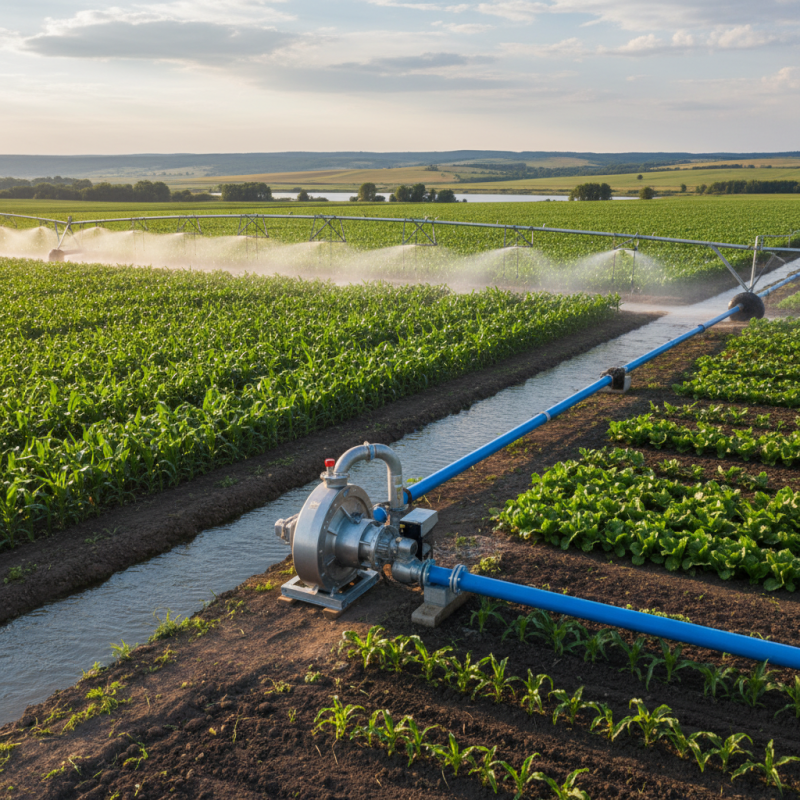
Best Agricultural Irrigation Pump Systems for Global Buyers?
Choosing the right Agricultural irrigation pump system is crucial for successful farming. These systems play a vital role in ensuring crops receive adequate water, especially in regions facing water scarcity. As global demand for food increases, efficient irrigation becomes paramount.
Factors such as soil type, crop requirements, and water availability influence the selection of an irrigation pump. Buyers must consider various options like centrifugal or submersible pumps. Each option has its strengths and weaknesses, which can affect overall productivity.
While many resources provide general pump information, finding reliable guidance is essential. Buyers often face challenges when choosing the best system that aligns with their needs. Taking time to research options and consult experts can lead to better decisions. An informed choice may ultimately determine farming success in a competitive market.
Overview of Agricultural Irrigation Pump Systems Available Globally
Agricultural irrigation pump systems are essential for enhancing crop productivity worldwide. In regions with water scarcity, selecting the right system becomes crucial. Various types include centrifugal pumps, submersible pumps, and diaphragm pumps. These systems vary significantly based on efficiency, cost, and application suitability.
Recent industry reports indicate that the global market for irrigation pumps is expected to grow at a CAGR of 5.3% from 2021 to 2026. Farmers are increasingly adopting advanced technologies to maximize water use efficiency. For instance, precision irrigation systems can reduce water waste by over 30%. However, many farmers still struggle with high initial investment costs and ongoing maintenance issues.
Tip: Consider evaluating the long-term benefits of investing in modern pump systems versus traditional ones. A thorough analysis can guide smarter choices.
Another challenge is choosing the right power source. Pumps can be electric, diesel, or solar-powered. Each has unique strengths and weaknesses. For instance, solar-powered systems reduce operational costs but may require substantial upfront investment. In areas where electricity is unreliable, these solar systems provide a necessary alternative, yet they have limitations in cloudy weather.
Tip: Always assess local conditions and resources before making a decision on pump systems. Engaging with local agricultural experts can provide insights tailored to specific needs.
Best Agricultural Irrigation Pump Systems for Global Buyers
| Pump Type | Flow Rate (L/min) | Pressure (psi) | Power Source | Typical Applications |
| Centrifugal Pump | 120-200 | 30-50 | Electric | Field irrigation, drainage |
| Submersible Pump | 80-150 | 25-60 | Electric | Well irrigation, water supply |
| Gear Pump | 50-100 | 20-40 | Diesel | Fertigation, pesticide application |
| Diaphragm Pump | 5-50 | 15-35 | Electric/Diesel | Chemical application, small-scale irrigation |
| Turbine Pump | 150-300 | 40-80 | Electric | Deep well irrigation, large-scale operations |
Types of Agricultural Irrigation Pumps and Their Applications
When choosing an agricultural irrigation pump, understanding the types is crucial. Centrifugal pumps are common for large-scale operations. They efficiently move water from a source to crops. This design is beneficial for deep wells or surface water sources. However, they may struggle with debris and require regular maintenance.
Positive displacement pumps offer another option. They are ideal for small-scale farms. These pumps handle viscous fluids effectively. They maintain a consistent flow regardless of pressure changes. Yet, their installation can be complex and may not suit all environments. Farmers must weigh the pros and cons carefully.
Solar-powered pumps have gained popularity. They are environmentally friendly and reduce energy costs. Their reliance on sunlight makes them less dependable in cloudy regions. Farmers must be prepared for potential downtimes. Exploring various systems allows for a tailored approach to irrigation needs. Remember, the right pump system can significantly impact crop yield.
Factors to Consider When Choosing Irrigation Pump Systems
Choosing the right irrigation pump system requires careful consideration. Start by assessing the water source available on your farm. Whether it's a well, river, or canal, the source directly affects pump performance. Know the flow rate needed for your crops. This understanding can determine the type of pump you need.
Another critical factor is the power source. Understand if you want diesel, electric, or solar-powered pumps. Each has its advantages and disadvantages. For instance, electric pumps are efficient but depend on electricity availability. Diesel pumps offer more portability. However, they may have higher operational costs.
Evaluate the ease of maintenance for the equipment. Some pumps require frequent servicing, influencing your labor costs. Finally, consider the system’s overall cost, including installation and operation. Balancing initial investment with long-term efficiency is essential. Reflect on these details carefully. The right choice can significantly impact your agricultural productivity.
Top Brands and Models of Irrigation Pumps for Global Buyers
In the agricultural sector, irrigation pumps play a vital role in crop production. Effective irrigation systems contribute to enhancing yield and minimizing water usage. According to industry reports, over 60% of global irrigation systems utilize pumps, underscoring their importance. With various types available, it's crucial for global buyers to understand which models best suit their needs.
When considering suitable models, farmers should assess the efficiency ratings of different pump systems. Studies indicate that efficient pumps can reduce energy costs by as much as 30%. Additionally, variable frequency drive pumps are gaining popularity due to their ability to adapt to fluctuating water requirements. This flexibility is essential in the face of changing climate conditions.
However, not all pumps perform as promised. Some may require frequent maintenance, leading to increased operational costs. It’s vital to investigate potential issues before making a purchase. Evaluating real customer reviews can provide insights into long-term reliability. The right pump system can significantly influence both productivity and sustainability in agricultural practices.
Top Agricultural Irrigation Pump Systems Performance
Trends and Innovations in Agricultural Irrigation Pump Technology
Recent advancements in agricultural irrigation pump technology offer farmers innovative tools for efficient water management. High-efficiency pumps now feature smart technology, allowing for real-time monitoring and control. These systems can optimize water usage based on soil moisture levels. Sensors integrated into these pumps can alert farmers when irrigation is needed. Such features enhance crop yield while conserving precious water resources.
Another trend is the move toward renewable energy sources in irrigation systems. Solar-powered pumps reduce reliance on fossil fuels, decreasing operational costs. They are especially beneficial for remote farms with limited access to electricity. The initial investment might be high, but long-term savings are substantial. Farmers must evaluate the viability and sustainability of these solutions based on their unique conditions.
However, technology adoption is not without challenges. Many farmers face a steep learning curve. Training is crucial to maximize the benefits of these advanced systems. Additionally, maintenance of high-tech equipment can be demanding. Addressing these issues requires collaboration among agricultural experts, technologists, and farmers. This approach can foster a smoother transition into modern irrigation practices.