2025 Top Trends in Manhole Covers: Innovations and Designs You Need to Know
As we approach 2025, the manhole cover industry is on the brink of a transformative shift driven by innovative designs and advanced materials. Recent studies, including a report from the Global Market Insights, project that the global manhole cover market is expected to exceed USD 2 billion by 2027, underlining the growing demand for durable and aesthetically pleasing solutions. The integration of technology and sustainability is becoming increasingly vital as municipalities and construction companies seek to enhance urban infrastructure while minimizing environmental impact.
Industry expert Dr. Emily Song, a renowned civil engineer, emphasizes the importance of innovation in this sector: "The evolution of manhole covers reflects not just engineering advancements but also our commitment to creating safer and smarter urban environments." In light of this, we are witnessing an escalation in the adoption of composite materials and smart technologies that enhance functionality while contributing to the overall resilience of city infrastructures. From designs that improve safety to those that incorporate smart sensors for monitoring, the trends shaping manhole covers in the coming years are crucial for urban planners and designers alike.
As we delve into the top trends for manhole covers in 2025, it is essential to explore how these innovations not only address practical challenges but also respond to the aesthetic aspirations of modern cities, paving the way for a future where manhole covers are more than mere utility; they are integral elements of urban design.

Emerging Materials for Manhole Cover Manufacturing in 2025
As we approach 2025, the landscape of manhole cover manufacturing is witnessing a remarkable transformation driven by emerging materials and innovative designs. Traditional materials like cast iron are being complemented, and in some cases replaced, by advanced composites that offer enhanced durability and reduced weight. For instance, resin-based materials and polymer composites are gaining traction due to their resistance to corrosion and heavy loads, making them ideal for urban environments.
When selecting manhole covers, consider these tips: 1) Opt for covers made from recycled materials to promote sustainability. 2) Look for lightweight alternatives that ease installation and maintenance without sacrificing strength. 3) Evaluate the aesthetic possibilities offered by modern materials, which can incorporate colors and designs that blend seamlessly into urban landscapes.
Additionally, emerging technologies, such as smart sensors embedded in materials, are set to revolutionize manhole cover applications. These sensors can monitor traffic patterns and detect structural changes, providing valuable data for city planners and maintenance teams. Implementing smart features not only enhances the functionality but also aligns with the growing trend of smart city initiatives, ensuring that infrastructure keeps pace with urban development.
Sustainable Innovations: Eco-Friendly Designs for Urban Manhole Covers
As urbanization continues to expand, the demand for sustainable infrastructure solutions has never been more crucial. Manhole covers, often overlooked in urban design, are now emerging as a focal point for innovation. Recent reports from the industry indicate that the global market for eco-friendly manhole covers is set to grow by 15% annually through 2025. This growth is largely driven by an increasing emphasis on sustainability within city planning and construction, leading to the adoption of materials that reduce environmental impact.
Innovations in material technology are paving the way for greener manhole covers. For instance, the use of recycled plastics and composite materials not only reduces reliance on traditional steel but also decreases the overall carbon footprint of urban construction projects. According to the Sustainable Infrastructure Report 2023, manhole covers made from eco-friendly materials can cut greenhouse gas emissions by as much as 30% compared to conventional counterparts. Furthermore, the integration of Smart technology in these covers allows cities to monitor infrastructure health, thereby extending the life of these products and enhancing their sustainability.
Design is also evolving to meet eco-friendly standards. Many new designs incorporate features such as permeable surfaces that allow for water drainage, reducing urban flooding and enhancing groundwater recharge. These innovative designs not only serve functional purposes but also promote greener urban aesthetics. By 2025, it is anticipated that cities globally will adopt more of these sustainable designs, contributing to a healthier, more sustainable urban environment while also improving the quality of life for residents.
2025 Top Trends in Manhole Covers: Innovations and Designs You Need to Know
Smart Technology Integration in Manhole Covers: A Look Ahead
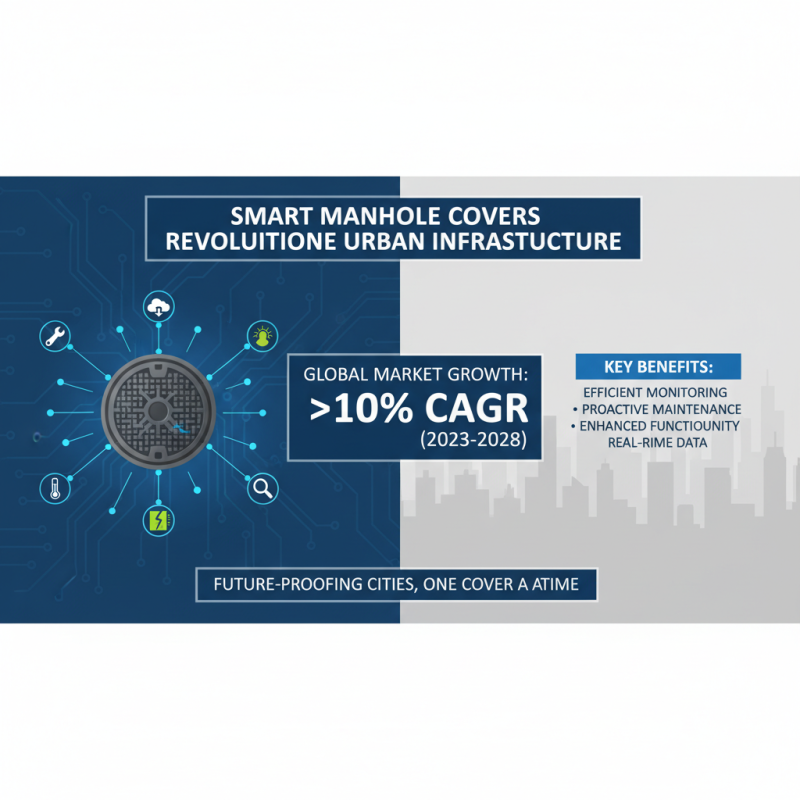
The integration of smart technology into manhole covers is swiftly transforming the infrastructure landscape, paving the way for enhanced functionality and improved urban management. According to recent industry reports from the Global Smart Covers Market, the sector is expected to grow at a compound annual growth rate (CAGR) of over 10% from 2023 to 2028. This growth is driven by the increasing need for efficient monitoring and maintenance of urban utilities, as cities become more populated and technological demands rise. Smart manhole covers equipped with sensors can detect structural integrity, monitor environmental conditions, and provide real-time data to city managers, ultimately leading to proactive maintenance practices.
Innovative designs for manhole covers are also reflecting greater environmental awareness and resilience. Many new models feature advanced materials that not only endure harsh weather conditions but also integrate smart technology seamlessly. For instance, a 2022 study highlighted that over 30% of municipalities are adopting smart manhole solutions to address traffic-related challenges, such as reducing accidents caused by open or damaged covers. As cities increasingly adopt smart city initiatives, the role of these seemingly simple fixtures is evolving into vital components of urban connectivity and safety, showcasing a critical intersection of design and technology in infrastructure development.
Aesthetic Trends: How Design is Shaping Manhole Covers in 2025
In 2025, the evolution of manhole covers has taken a fascinating turn, emphasizing aesthetic trends that blend functionality with striking designs. As urban landscapes evolve, cities are recognizing the potential of manhole covers to contribute to artistic expression and community identity. According to a report from the American Society of Civil Engineers, around 85% of municipalities are now exploring innovative designs to enhance the visual appeal of these essential infrastructures. This shift not only beautifies the streets but also strengthens community engagement by reflecting local culture and history.
The integration of artistic elements is becoming common practice, with cities commissioning local artists to create unique designs that resonate with the community. Research indicates that attractive urban environments have been linked to increased foot traffic and economic activity, prompting municipalities to invest in aesthetically pleasing covers that stand out rather than merely blend into the pavement. Emerging materials such as recycled composites and high-strength polymers are also enhancing durability while allowing for more intricate designs that were previously impossible with traditional cast iron.
Tips: When selecting or suggesting designs for manhole covers, consider local symbolism and the surrounding environment to foster a sense of place. Moreover, collaboration with local artists can bring fresh perspectives and ensure the designs resonate with the community. Don't overlook the importance of sustainability; opting for eco-friendly materials not only prolongs the lifespan of the products but also aligns with growing environmental consciousness among citizens.
2025 Top Trends in Manhole Covers: Innovations and Designs You Need to Know
| Trend Category |
Description |
Innovative Features |
Environmental Impact |
| Smart Manhole Covers |
Integration of IoT for monitoring |
Sensors for traffic and usage |
Reduces urban congestion |
| Eco-Friendly Materials |
Use of recycled materials |
Durability and lower carbon footprint |
Promotes sustainability |
| Artistic Designs |
Covers as public art pieces |
Custom designs tailored to neighborhoods |
Enhances community aesthetics |
| Enhanced Safety Features |
Anti-slip and reflective surfaces |
Improved visibility at night |
Reduces accident rates |
| Modular Designs |
Easy installation and maintenance |
Customizable size and shape |
Fosters efficient urban planning |
Safety Enhancements: Features to Improve Public Safety in Manhole Design
The design of manhole covers has evolved significantly, particularly with a focus on enhancing
public safety. According to a recent
industry report by the National Association of State Street and Transportation Officials (NASSTO),
over 240,000 injuries related to open manholes are
reported annually in the U.S. alone. This alarming statistic underscores the necessity for
innovative design improvements that prioritize safety.
Advanced features, such as non-slip surfaces
and reflective materials, are becoming increasingly prevalent,
ensuring that these critical infrastructure elements remain visible even in low-light conditions,
thereby minimizing accidents.
Furthermore, the integration of smart technology
into manhole cover designs is gaining traction. With the advent of IoT (Internet of Things),
manhole covers can now be equipped with sensors that detect unauthorized access or
structural integrity issues, addressing safety concerns
in real-time. A report from the International Society of City and Regional Planners highlights that
regions adopting smart infrastructure have seen a reduction in manhole-related incidents by over
30%. These enhancements not only improve public safety but
also ensure efficient urban management, as
municipalities can monitor their infrastructure more effectively and respond proactively to potential hazards.